 Andrew Christiansen
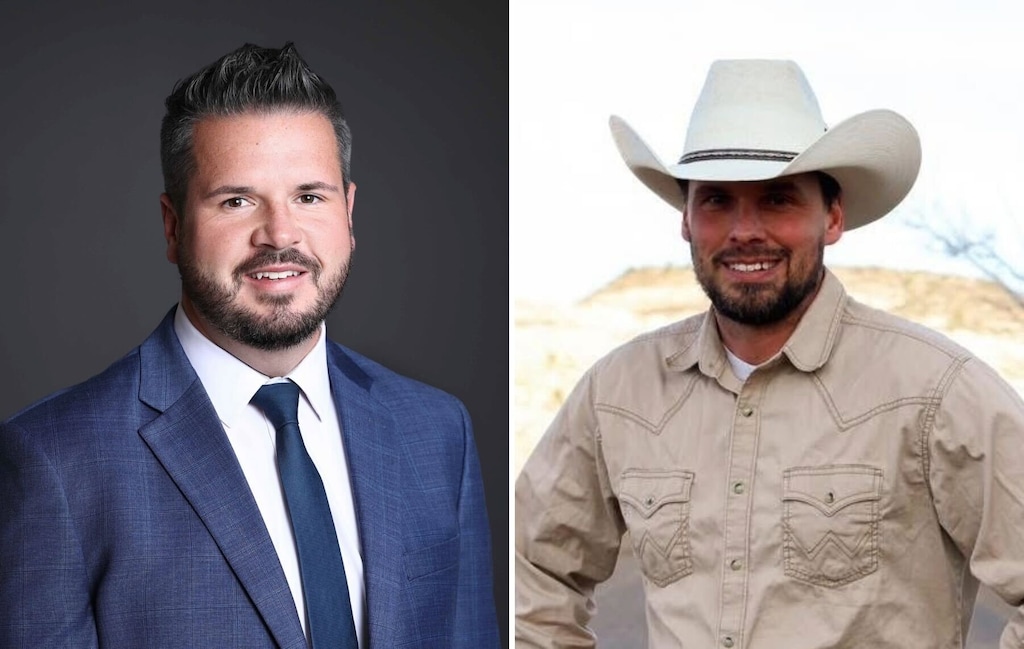
Republican voters in Utah House District 69 will choose between incumbent Rep. Logan Monson and challenger Dan Gardner in the upcoming primary election.
The massive district spans much of southeastern Utah, including all of Grand, San Juan, Garfield, Wayne and Kane counties and most of Emery County.
Monson, a Republican from Blanding, was elected to the House of Representatives in 2024 after serving as Blanding’s mayor and a city councilor. He works as a registered nurse and nurse administrator.
Gardner, a Republican from Escalante, is a high school civics teacher, Marine Corps veteran and cattleman.
The winner of the June 23 primary will advance to the general election to face Democratic candidate Tracie Yellowman Tso.
The Salt Lake Tribune posed the following questions, based on a reader survey about the issues Utahns felt were most important this election season, to Monson and Gardner. Their answers — listed in alphabetical order — may have been edited slightly for length, style or grammar.
A plurality of voters, more than 30%, said elected official corruption is the primary issue driving who they’ll vote for, with another nearly 14% of voters saying it is their second-highest issue. Why are so many Utah voters concerned about corruption in politics? How will you build trust with Utahns?
Dan Gardner: Voters are rightfully disgusted with government. I am running as an outsider and neither the PACs nor the party establishment have embraced my campaign. I build trust with southern Utahns by meeting with them and listening to them. Voters no longer believe that government works for them and they have become cynical; the only way to break this is to stay close to the district and listen to the needs and concerns of constituents.
Logan Monson: Utahns are frustrated because they feel government is disconnected from everyday people or influenced by special interests. Trust is built through transparency, accountability and accessibility. I believe elected officials should be visible, listen to constituents, explain their votes and remember they work for the people. We will likely have times we disagree, but engaging in dialogue is important.
After corruption, more than 16% of Utah voters said everyday affordability — like the cost of housing, groceries, gas and other necessities — is the first thing on their minds as they vote this year. Another 15% said it is their second-highest issue. What will you do to help make life more affordable for Utahns?
Gardner: Easing the tax burden. The Legislature must eliminate the tax on food. This is an easy one — it is the most regressive tax on the books, and it is especially painful for working families during times of high inflation. We should also end the state’s tax on Social Security benefits to make life more affordable for our seniors. If we can reasonably reduce or entirely eliminate the state income tax, as they’ve done in Texas and Florida, then I think we should have that discussion and work toward that goal.
Monson: I will continue to support responsible tax policy, increase housing availability, strengthen local economies and reduce unnecessary regulations that drive up costs. We need to do our best to protect family budgets, support workforce growth and make sure government spending is disciplined and focused on real priorities.
Utah has experienced drought for much of the last two decades. The availability of water is the third-most pressing issue for voters this year. What can elected officials do to ensure Utahns have enough water for the future?
Gardner: I hail from an agricultural family. Water is the lifeblood of Utah agriculture and we need representatives who know what it is like to endure a drought as a farmer and rancher. One area of agreement I have with many Democrats is that we should be cautious about admitting AI data centers into our state, given that water is scarce and we already have a difficult time balancing the needs of rural and urban Utahns.
Monson: Conservation, infrastructure, storage and responsible long-term planning. We should support agriculture, encourage water-efficient practices and look at practical local solutions instead of one-size-fits-all mandates. Water policy needs to balance growth, rural needs and stewardship of our resources.
Should the state continue to pursue nuclear energy? What can be done to address Utah’s growing energy needs?
Gardner: Yes. Allow for more drilling and reduce burdensome regulations. I would also support suspending any state taxes on fuel during times of high prices, like we are seeing now.
Monson: Yes. Responsible development of traditional energy, nuclear innovation, grid reliability and emerging technologies. We need dependable, affordable power that supports families, businesses and economic growth while maintaining energy independence.
In 2018, voters narrowly passed the Better Boundaries initiative, creating an independent redistricting commission and prohibiting partisan gerrymandering. The Legislature’s attempts to significantly weaken the Better Boundaries initiative spawned years of litigation, culminating in a court adopting new congressional boundaries. Who should be responsible for drawing Utah’s political boundaries? Why?
Gardner: The state Legislature, per the state constitution. I am incensed by the new 1st Congressional District and believe we need to hold activist judges accountable for their decisions. I do believe that it was wrongfully decided and oppose the new map.
Monson: Constitutionally, the Legislature is responsible for drawing maps. Within this duty, it needs to be transparent and accountable during the process. Legislative involvement matters because elected representatives are accountable to voters.
Is there an imbalance of power between the Legislature and the courts? If so, what should be done about it?
Gardner: Perhaps. I support a judiciary that adheres to the federal and state constitutions, and I would cautiously support legislative action to keep the court reined in if they go rogue.
Monson: Healthy checks and balances are important, and disagreements should be resolved through the constitutional process while maintaining accountability to the people.
What do you believe is the most pressing issue before voters this year? What can be done to address it?
Gardner: In southern Utah, our most pressing issue is always land use. The federal government owns and controls much of our land, and our residents feel like they are being squeezed. My home county of Garfield is more than 90% federal land, and we need to make sure that the bureaucracy is held in check and that the concerns of our ranching, mining, timber and oil and gas industries are heard. We need representatives who understand the issues and concerns of people who depend on these industries. Protecting access through RS 2477 and protecting our rural economy is critical for District 69.
Monson: Affordability is the most pressing issue facing Utah families that I have heard from constituents across the district. Rising housing, food, fuel and health care costs impact daily life. We need policies that support economic growth, expand workforce opportunities, increase housing supply and keep taxes and government spending under control so families can get ahead, not just get by.