Beaver, Utah, is a small town. With a population of less than 4,000 people, you know your neighbors.
I am proud to say I am from Beaver. We love our community. When something tragic happens, we rely on each other.
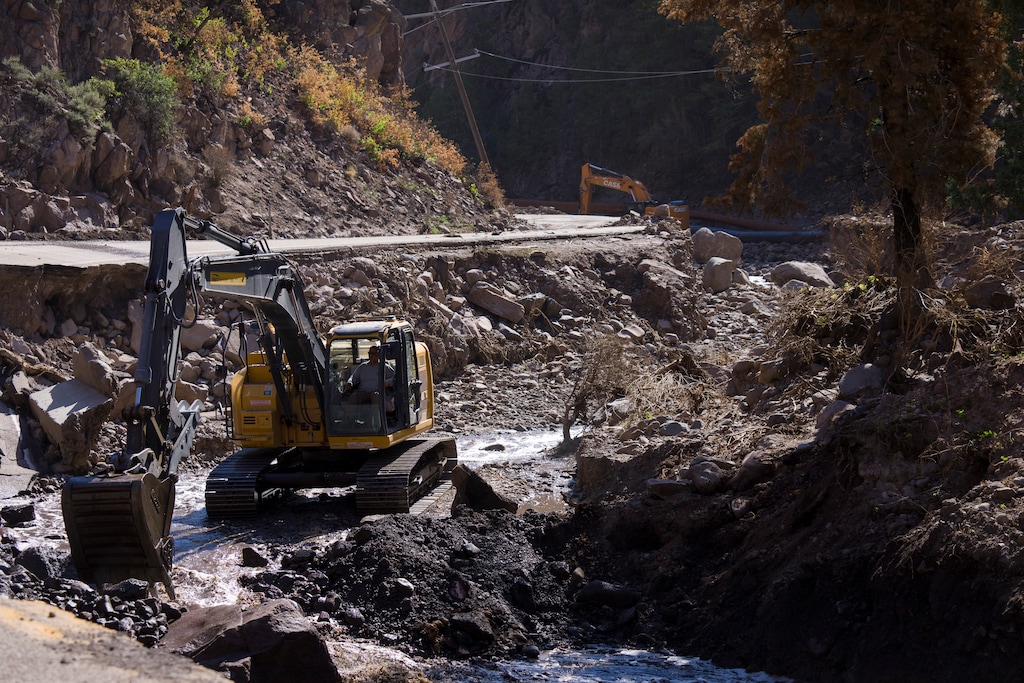
This past summer, the Cottonwood Fire — one of the worst fires in Utah history — broke out in the mountains surrounding Beaver. Right after this fire, heavy rain caused flooding so severe that a state of emergency was declared.
Homes were destroyed, leaving people with nowhere to go. People were forced to stay with family or friends in the community. My father used his farm’s backhoe to help create a path for the water so it wouldn’t flood the community. The local colleges helped sandbag houses and the local roping arena. Facebook was full of messages asking what needs to be done. The community turned towards each other when they needed anything. Local businesses began handing out water to those who were displaced.
Disasters aren’t new to Beaver. Fires and floods are getting worse in Utah. But Beaver is still suffering. Without help in the form of disaster aid, it’s impossible to rebuild.
More than 560,000 acres of Utah have been burned this season. While wildfires can happen anywhere, rural communities are typically less prepared — and they receive a disproportionate amount of disaster funding.
Conversations around Federal Emergency Management Agency (FEMA) directly impact neighborhoods just like mine. Utah receives money from FEMA to support our communities. Recently proposed cuts to federal aid mean that Utah would have to support itself with disaster funding, and we simply can’t afford that.
FEMA helps communities in these times of need. We are a community in need. Without help from federal dollars, Beaver will likely never get the chance to rebuild.
Staff cuts to FEMA are also going to hurt other communities in Utah, along with many others in the United States. Between 2025 and 2026, the Trump administration drastically cut down the spending and budget for FEMA. A large portion of the cut was a decrease in staff.
Without this system being supported, people are not supported when they need it the most.
It is unethical to cut down FEMA staff and budget. Disaster aid is for everyone, including rural Utahns.
(Aspen Marshall) Aspen Marshall is a Master’s of Social Work student at the University of Utah.
Aspen Marshall is a Master’s of Social Work student at the University of Utah.
The Salt Lake Tribune is committed to creating a space where Utahns can share ideas, perspectives and solutions that move our state forward. We rely on your insight to do this. Find out how to share your opinion here, and email us at voices@sltrib.com.