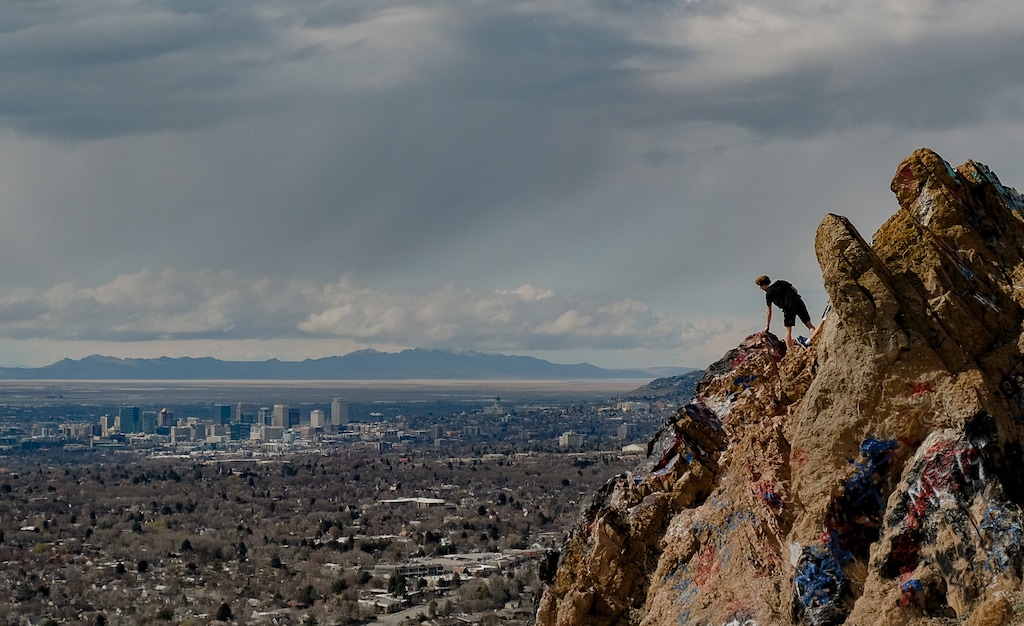
Utah is currently celebrating a historic milestone. The outdoor recreation economy has surged to $9.75 billion, supporting over 75,000 jobs. As our trailheads get more crowded, Search and Rescue teams, largely comprised of dedicated volunteers, are facing a record-breaking volume of calls.
While the state grapples with funding these teams, there is a powerful and underutilized solution that every Utahn can participate in: Wilderness medical training.
We often view Search and Rescue as a safety net that is always there to catch us. However, many incidents that trigger costly rescue operations and negatively impact environmental conditions are entirely preventable or treatable in the field. To protect both our public lands and our first responders, we have an opportunity to shift our culture from passive recreation to active medical preparedness.
Search and Rescue in Utah is a complex logistical and financial puzzle. Many people do not realize that these teams are often funded through a patchwork of boat and off-highway vehicle registrations and small portions of sales tax. When a team spends hours on a technical extraction, the wear on gear and the risk to volunteer lives are significant.
The most common injury reported in the backcountry is not a dramatic fall or wildlife encounter. It is a stable ankle injury or minor trauma. In many cases, an unprepared hiker with a sprain feels they have no choice but to call 911. This pulls resources away from life-threatening emergencies.
This is where wilderness medical training, such as Wilderness First Aid or Wilderness First Responder courses, becomes a game-changer. These courses do more than teach us how to wrap a wound. They teach us how to assess, think critically and engage with confidence to stabilize and mitigate unnecessary reactions.
First, medical training is risk mitigation training. Large expedition programs like Outward Bound report remarkably low evacuation rates across tens of thousands of backcountry days, not because risk disappears, but because it’s managed early. Research shows that people with medical training make better decisions before situations escalate. When we understand the consequences of dehydration, heat illness, or infection, our decision making on the trail changes. We stop pushing through when conditions deteriorate. We learn to stop the incident before it happens.
Second, training provides the ability to assess. A trained recreationalist can distinguish between a medical inconvenience and a true emergency. By knowing how to splint an ankle, manage a wound or stabilize a patient, outdoor enthusiasts can often treat injuries early or safely self-evacuate. This reduces the burden on Search and Rescue and ensures those teams are available for truly critical situations.
If Utah is to remain a world-class destination, our standard for preparedness must evolve. Carrying the Ten Essentials is no longer enough. We must also carry the knowledge of how to use them.
We must:
Prioritize education. We have an opportunity to make Wilderness First Aid training a baseline expectation for anyone regularly spending time in Utah’s backcountry.
Support voluntary funding. Recreationalists can support rescue teams through programs like the Utah SAR Card.
Encourage institutional buy-in. Outdoor brands, guiding companies and state agencies can incentivize medical training through partnerships, discounts or permit structures.
The most dangerous part of Utah’s outdoors is not the terrain. It is the gap in our own knowledge. We can stop emergencies before they start.
By investing in our own training, we do not just improve personal safety; we also improve our overall performance. We strengthen the entire system that people rely on when we react confidently.
(Eli LaMouria) Eli LaMouria is a Wilderness EMT and Lead Instructor with Wilderness Medical Associates International.
Eli LaMouria is a Wilderness EMT and Lead Instructor with Wilderness Medical Associates International. She has more than two decades of experience in backcountry risk management and medical response. She owns and operates Turn Left Adventures in Heber City, where she trains both professionals and recreationalists in wilderness medicine.
The Salt Lake Tribune is committed to creating a space where Utahns can share ideas, perspectives and solutions that move our state forward. We rely on your insight to do this. Find out how to share your opinion here, and email us at voices@sltrib.com.