 Paighten Harkins
 Andy Larsen
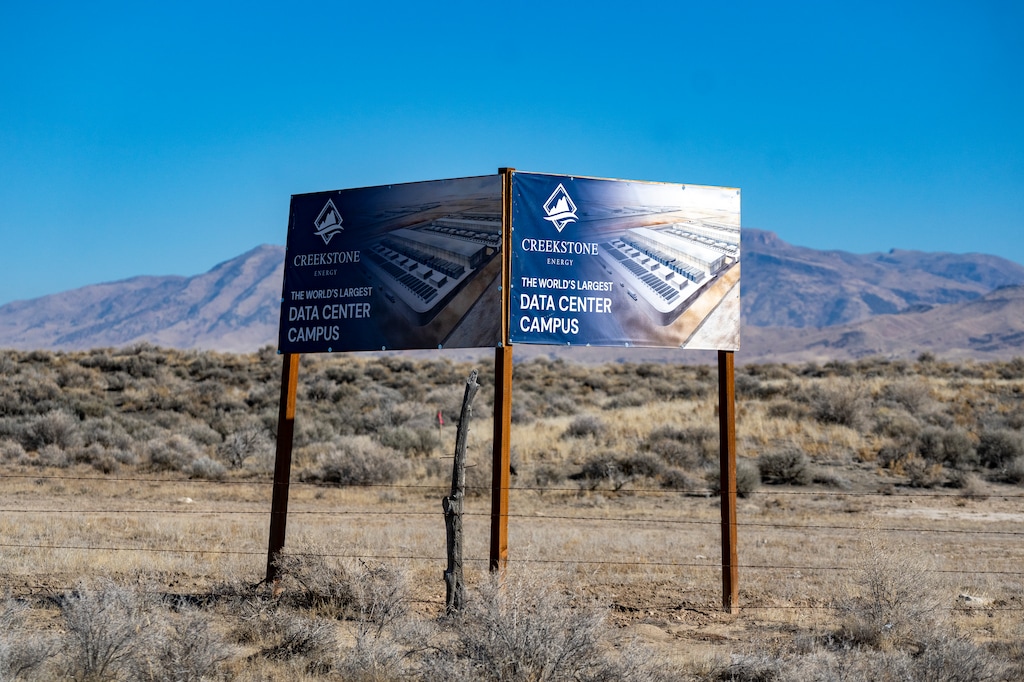
Utah has quickly become a hotspot for data center development, thanks to its vast fiber infrastructure and available cheap land and fuel. New proposals are cropping up fast. It’s hard to keep track.
We built a tool to help.
How it works
Mining public records, trade publications and developers’ own announcements, we’ve compiled a database of Utah’s data centers. This map includes both longstanding, traditional data centers, like Oracle and Flexential, as well as the newer, more controversial hyperscale campuses, like Box Elder County’s Stratos Project, meant to power AI. (Or should we say “Super Intelligence?”)
You can sort each column by clicking on the header (name, category, operator, place, facility type and capacity).
We’ve broken down the state’s data centers into broad categories of facility types:
• “Hyperscale” for the sprawling campuses.
• “AI/HPC” for sites dedicated to powering AI and other intense computing.
• “Commercial” is the broadest, generally describing data centers that sell their services to other companies.
• “Enterprise” means that the company operates a data center for its own systems.
Where possible, we’ve included the computing power these centers generate. Keep in mind: This “capacity” number is less than the site’s total power draw.
We will adjust this map regularly. If you see a data center that we missed, want to provide more context or leave us a tip or any other feedback, please fill out the form below: