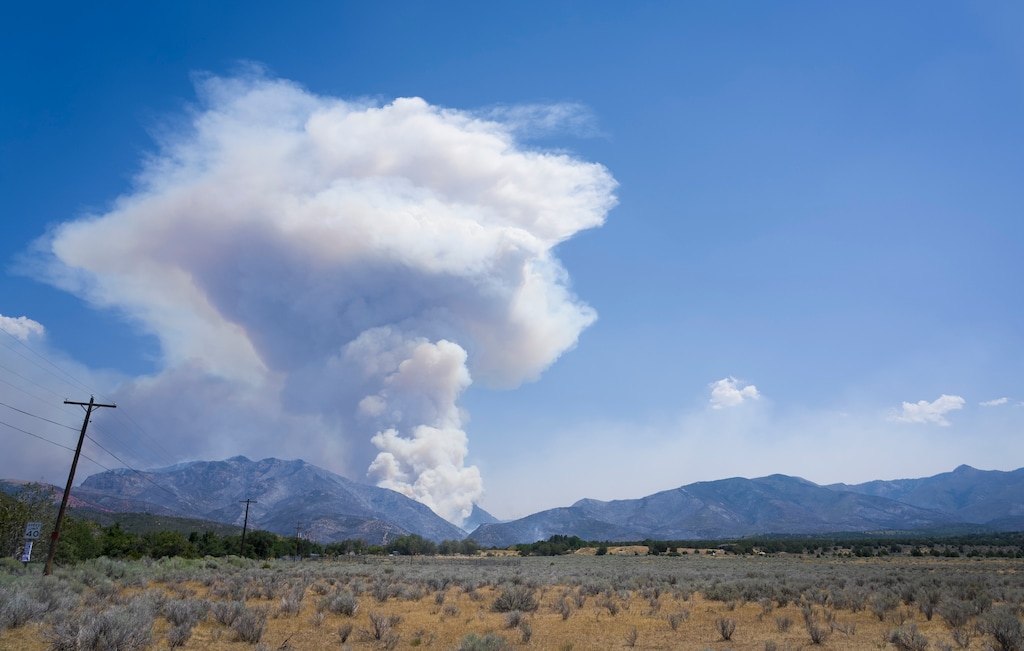
Need a reason for camera networks and AI? How about wildfires?
There are more than 1,200 AI-monitored cameras in California. They’ve spotted hundreds of small fires, giving firefighters an early jump. One study showed more than half of the fires were spotted and reported before any humans notified them. And Google is about to launch FireSat, which aims to cover more ground from satellites.
That’s not all. Tests in California and Alaska add in drones that can dump retardant while those fires are still small. The fires are out before any human needs to intervene.
Fire-prone California has seen wildfires burn about half the acreage of Utah’s fires this year, and that camera network is surely a factor. (Of course, fire is necessary in the forest. Some fires shouldn’t be stopped, but AI also can help foresters make that call.)
When the U.S. Forest Service moves its headquarters to Salt Lake City (is that still happening?), Utah would be a logical starting point for building out a national network. Our money would be quickly returned to us in lower firefighting costs and saved lives.
We absolutely should scrutinize the prying nature of camera networks and the huge resource suck of AI. But constant monitoring and fast data crunching can keep us from burning up.
Tim Fitzpatrick, Torrey