Some voices in Utah’s political class continue to promote coal as a source of energy. Gov. Spencer Cox is busy negotiating on several fronts to develop nuclear reactors as a way to power our future.
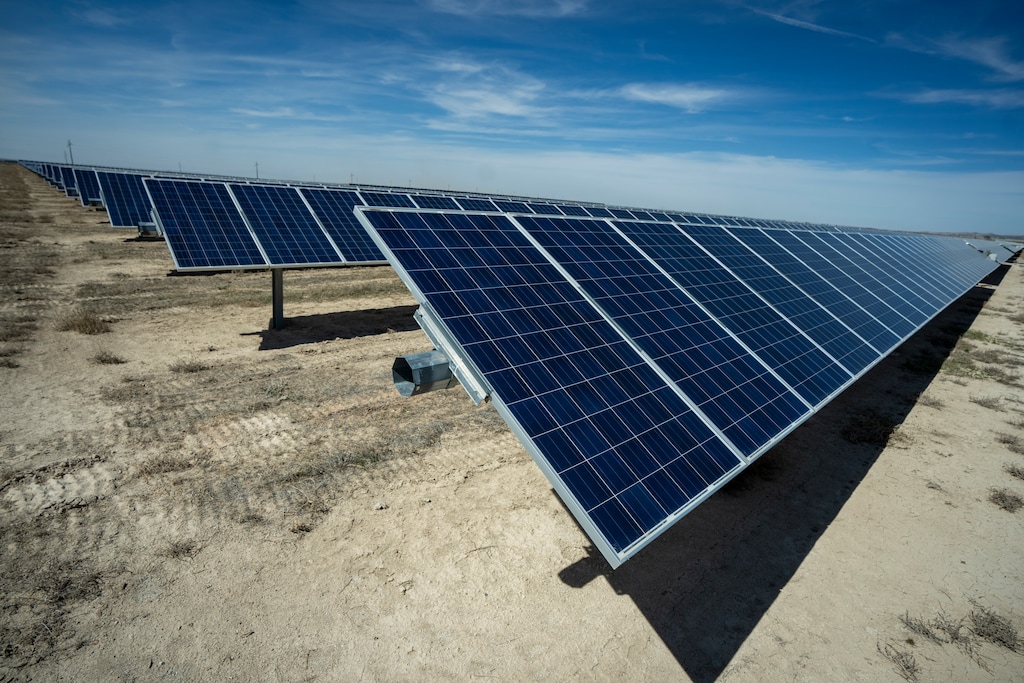
But, look there, coming up on the outside. It’s a source of power that Utah needs and, potentially, has in great abundance. It’s solar. And it is good news indeed.
Experts who watch this sort of thing tell us that, in May, nigh unto a third of the energy produced in Utah came from solar. That made energy from the sun, for the first time, the state’s largest single source of electricity for that brief period.
Just shy of another third came from natural gas, with coal-fired power plants contributing only 28%. Wind produced another 2%, meaning mostly that it has a lot of room to grow.
The growth of solar energy in Utah has come with precious little support on the state level, and downright hostility from the retrograde Trump administration. What’s been done has risen from the state’s complementary strains of environmentalism and entrepreneurship.
Just imagine how well solar energy and associated energy storage facilities would be doing here if our leaders spent as much time and, well, energy promoting it as they do other sources of power. Sources such as coal, which is and must be on its way out, and nuclear, which has a risky and expensive way to go to prove itself.
Each month’s energy total is a snapshot that will vary over time. But the growth of carbon-free solar power in Utah is incredibly promising news. To see why, just look out any Salt Lake City window.
Our nation’s continued reliance on fossil fuels for electricity generation, manufacturing and transportation continues to dry out the planet, leading to mega-droughts, depleted rivers and reservoirs and all of those wildfires now engulfing Utah in smoke and ash.
The recent and coming growth of renewable energy sources should give our governor some leverage as he negotiates with nuclear start-ups and with the U.S. Department of Energy over the federal plan to pick sites for what is called a “nuclear lifecycle innovation campus.”
That means processing fuel for nuclear reactors and disposing of the spent waste afterwards, something our nation has yet to figure out.
Right now, Cox and U.S. Energy Secretary Chris Wright have signed a deal to work on a deal over the next two months. Cox’s energy development director, Emy Lesofski, says the state reserves the right to walk away if it can’t get an agreement that not only keeps Utah safe but also gives it other things it needs, specifically help in preserving the Great Salt Lake.
A handful of other private nuclear energy companies are being wooed to Utah, most recently a Canadian firm called Nuclea Energy, with its prototype of a factory-built modular reactor.
Solar and wind continue to offer huge opportunities, not only to move away from greenhouse gas emissions, but also to assist rural communities. Farmers can learn to live with less of our precious water and profitably lease out their land for solar arrays and wind farms.
Cox and other state leaders, in the public and private sectors, should not sell themselves short, not think that they necessarily have to accept the cost and risk of nuclear power before it is ready, and instead be confident that they are holding the vast promise of renewable energy in their back pocket.
Editorials represent the opinions of The Salt Lake Tribune editorial board, which operates independently from the newsroom.