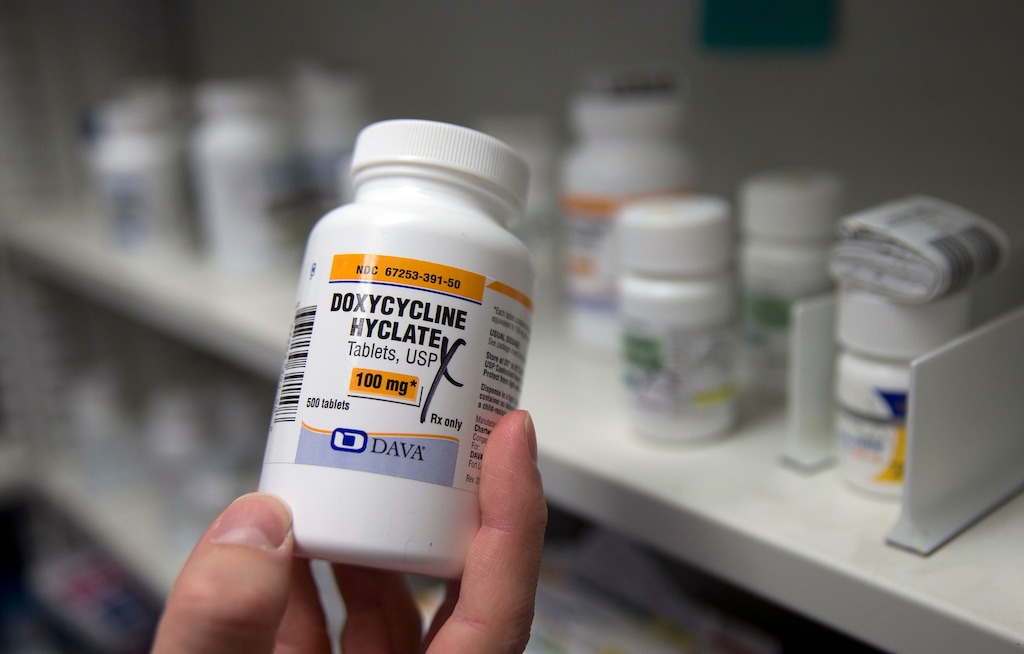
Antibiotics are undoubtedly lifesaving for people with severe bacterial infections; however, they are commonly used even when they don’t help.
One example is use for respiratory infections most commonly caused by viruses. Respiratory viral infections — think rhinovirus, parainfluenza virus, coronaviruses, influenza etc. — increase this time of year and continue into the winter. They cause ear infections, sinus infections, colds, sore throats and sometimes even pneumonia or lung infections. What they don’t do is respond to antibiotics, yet 30% to 50% of Americans and Utahns receive those drugs to fight them.
These prescriptions aren’t harmless.
We are both mothers, community members, infectious diseases doctors, leaders of antibiotic stewardship programs in Utah and national leaders in antibiotic resistance and antibiotic stewardship. The programs we lead work to educate patients and healthcare providers about the harms of antibiotics and how to use them wisely and only when they’re needed.
Antibiotics can cause rashes, diarrhea and sometimes serious kidney or liver injury. They can also contribute to antibiotic resistance, making future bacterial infections harder to treat.
Antibiotics also disrupt the gut microbiome, which is the vast community of microorganisms that lives in our digestive tracts and plays an important role in our health. This disruption can increase the risk of infections such as Clostridioides difficile (C. diff), a bacterial cause of antibiotic-associated diarrhea that is often difficult to treat. More concerningly, gut microbiome disruption has been linked to chronic diseases such as inflammatory bowel disease, colorectal cancer, obesity, diabetes mellitus, cardiovascular disease and autoimmune diseases. Although these diseases have multiple causes, evidence increasingly suggests that our gut microbiome plays an important role in our long-term health.
But the consequences of unnecessary antibiotics don’t stop with the patient. They extend to the environment.
Consider the packaging that accompanies every prescription: the familiar orangish, brown plastic pill bottles, the paper bags and the printed instructions that the pharmacy hands you.
Much of this material ends up in landfills. Americans receive an estimated 66 million unnecessary antibiotic prescriptions each year. When landfilled, the trash from these millions of prescriptions generate the same Earth-warming carbon dioxide as driving a car almost 5 million miles — or 194 times around the planet Earth, for those who like to count laps.
And carbon emissions aren’t our only concern. Plastic waste can fragment into microplastics, contaminating soil and water. Some packaging materials can also contain hazardous chemicals, including per- and polyfluoroalkyl substances (PFAS), a class of synthetic chemicals used in certain food packaging, textiles, and other consumer products, beginning in the 1950s.
PFAS exposure has been linked with elevated cholesterol, impaired immune responses, reduced fetal growth, and certain cancers. The International Agency for Research on Cancer classifies PFAS as a group 1 carcinogen. Microplastics raise additional concerns. These tiny plastic particles — which can contain PFAS and thousands of other man-made chemicals — have been detected throughout the environment and in human tissues. Emerging research suggests potential risks to reproductive, digestive, cardiovascular, and respiratory health. Though more research is needed, we think most Utahns would agree we need less plastic in the environment and our bodies.
The irony is bitter. The very packaging that we doctors use to give patients medicine is likely damaging our ecosystems and worsening our health.
When we prescribe medication that patients don’t need, we create avoidable risks to human health and unnecessary environmental waste.
Why do we continue doing this?
As physicians, our responsibility is to improve health, not simply to prescribe treatment. That means considering the potential harms of antibiotics alongside their benefits — and recognizing that our decisions have consequences beyond the examination room.
As patients, we can question the assumption that every infection requires a prescription. We can ask our healthcare providers whether antibiotics are likely to help. Could symptoms improve on their own? Would it be safe to wait a few days? If antibiotics are necessary, what is the shortest effective course?
These conversations can protect individual patients, preserve the effectiveness of lifesaving antibiotics and reduce unnecessary waste.
November 18–24 is U.S. Antibiotic Awareness Week, an annual opportunity to promote appropriate antibiotic use and draw attention to the growing threat of antibiotic resistance.
Here in Utah, we share a deep appreciation for our landscapes, our communities, and our health. Reducing unnecessary antibiotic prescriptions is one practical way to protect all three.
The best prescription isn’t always a prescription at all.
(Emily Spivak) Emily Spivak is an infectious diseases physician and Medical Director of Antimicrobial Stewardship for University of Utah Health.
Emily Spivak is an infectious diseases physician and Medical Director of Antimicrobial Stewardship for University of Utah Health.
(Payal K. Patel) Payal K. Patel is an infectious diseases physician and Systemwide Medical Director of Antimicrobial Stewardship for Intermountain Health.
Payal K. Patel is an infectious diseases physician and Systemwide Medical Director of Antimicrobial Stewardship for Intermountain Health.
Opinions expressed are those of the authors and not their employers.
The Salt Lake Tribune is committed to creating a space where Utahns can share ideas, perspectives and solutions that move our state forward. We rely on your insight to do this. Find out how to share your opinion here, and email us at voices@sltrib.com.