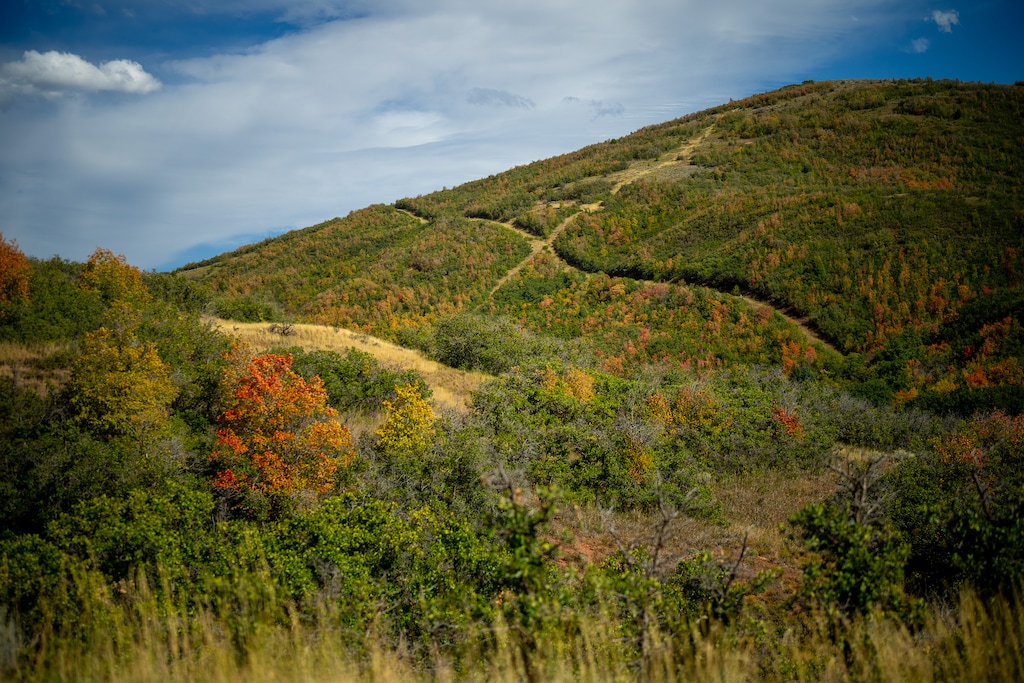
HF Sinclair is planning to enlarge its Pioneer Pipeline which brings refined petroleum (gas and diesel) across Utah, according to The Salt Lake Tribune. The pipeline could carry more than 1 million gallons a day down Emigration Canyon as a part of their plan to serve Nevada’s gasoline needs.
Along with 1,500 people, I live in Emigration Canyon and have for 43 years. I am an OB-GYN and reproductive endocrinologist with a special interest in reproductive toxins in the environment.
Pipelines eventually leak. Many of us remember the oil spill in 2010 when a Chevron oil pipeline spilled 33,00 gallons of oil into Red Butte Creek and into Salt Lake City. Sixty six people filed suit against Chevron for harms from the oil spill. Two people claimed serious harms from conditions (pulmonary fibrosis and acute myelogenous leukemia) which are linked to petroleum exposure.
Refined petroleum leaks are even more hazardous than oil leaks. The health hazards of a large gas pipeline through a town are significant and, through Emigration Canyon, they are very significant.
The first immediate risk is fire. Emigration Canyon is in the wildland/urban interface, and fire is a very significant risk every year. Difficulties evacuating the canyon through a single road, smoke inhalation risks to residents and first responders, and immediate loss of homes are just a few risks.
A significant leak of fuels from the pipeline could cause inhalation of toxic gasolene fumes, which would gather at the bottom of the canyon. This could cause pulmonary damage, eye damage, and brain damage, to mention a few organ systems affected by gasoline fumes.
Gasoline and other refined petroleum easily and rapidly saturate and pass through the soil and rock that make up Emigration Canyon. They would rapidly contaminate groundwater and private wells. One gallon of spilled gasoline could contaminate 1 million gallons of water in a reservoir, as well as acres of soil, research shows. Refined petroleum includes toxic compounds including benzene and toluene and others that are linked to leukemia, lymphoma and other hematologic cancers.
Even if a leak was identified early and wells were turned off, those 300 homes with private wells — including mine — have no other source of water. It would render our homes uninhabitable.
A pipeline under the Emigration Canyon main road is a significant risk. According to the U.S. Pipeline and Hazardous Materials Safety Administration hazardous liquid accident data, accidents caused by outside parties digging into the line are a cause of spills, and spills are common. The Emigration Canyon main road is often excavated by various contractors to manage water pipelines at the top and the bottom of the canyon as well as natural gas and other resources along the canyon road. Of course, the pipeline would not end at the bottom of Emigration Canyon. It would continue on toward a zoo, a university, a medical center and private homes.
Before any pipeline route is approved through Emigration Canyon, the public deserves a straightforward answer to one question: Is this the lowest-risk reasonable alternative? That determination should be based on evidence — not assumptions — and should consider the risks to drinking water, emergency access, wildfire response, residents, property and the environment.
I see no upside for citizens of Utah, and there is significant risk for this large refined petroleum pipeline through Emigration Canyon and Salt Lake City. This is not the place.
(Kirtly Parker Jones) Kirtly Parker Jones is Professor Emerita in the Department of Obstetrics and Gynecology where she has had an academic appointment for 43 years
Kirtly Parker Jones, MD, is Professor Emerita in the Department of Obstetrics and Gynecology where she has had an academic appointment for 43 years. She taught Ethics in Reproductive Medicine in the Honors Program at the University of Utah, as well as teaching reproductive medicine to medical students, residents and physicians. She was awarded the Linda K Amos Award for Distinguished Service to Women by the University of Utah, and the Jarcho Distinguished Teaching Award by the University of Utah School of Medicine. In 2013 she was awarded the Calvin and Jeneal Hatch Prize in Teaching by the University of Utah. She is a past President of the Academic Senate at the University of Utah.
The Salt Lake Tribune is committed to creating a space where Utahns can share ideas, perspectives and solutions that move our state forward. We rely on your insight to do this. Find out how to share your opinion here, and email us at voices@sltrib.com.