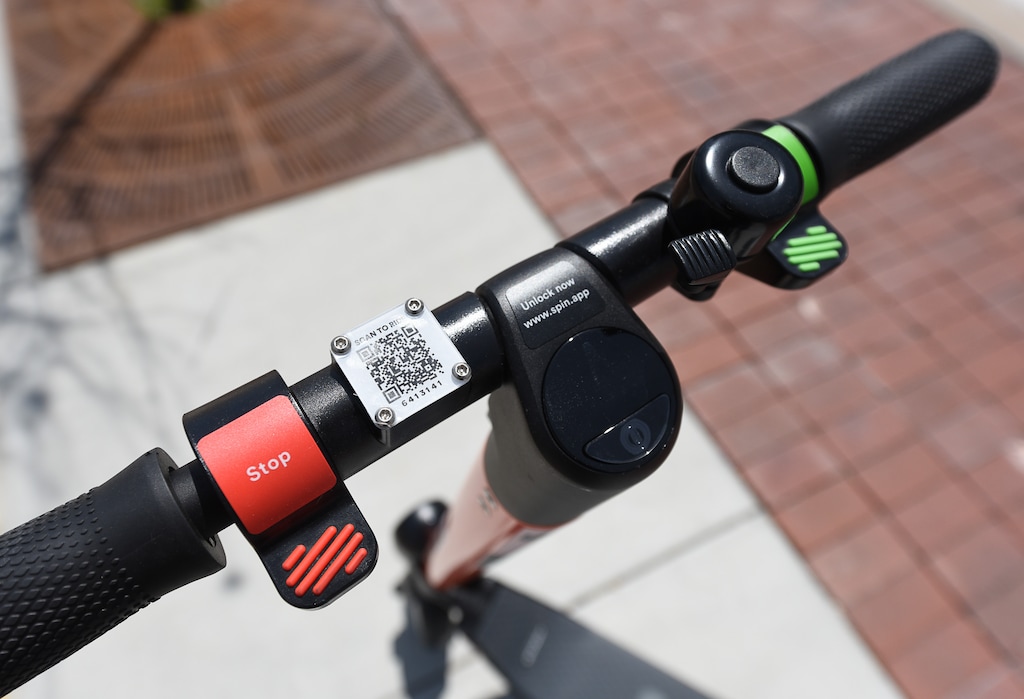
You see them riding throughout the neighborhood daily. What you may not know is the mounting invisible risk.
Children riding bicycles through the neighborhood are a welcome staple of many of our Utah communities. However, the addition of electric options like e-bikes, e-scooters and other e-mobility devices has brought an increased risk of severe injury compared to the traditional pedal bikes or non-electric scooters. In recent years, we have seen more children riding these devices and more injuries as a result.
As pediatric emergency medicine physicians here in Utah, we are on the front lines of seeing trends in illnesses and injuries that affect children. Based on our own data and nationwide studies, there has been a sharp increase in the number and severity of injuries related to e-bikes and similar devices. While these are often treated like conventional bicycles, they can reach high speeds much more quickly and are heavier than most pedal bikes, making them more likely to cause serious injury. Many of these risks can be managed by experienced adult riders, but children are less able to handle higher speeds and more difficult-to-control devices.
The state of Utah has recently taken legislative action to improve pediatric safety. As of May 6, state law says children under 8 may not operate e-bikes or similar electric mobility devices on public roadways. Children ages 8 to 15 must either be under direct adult supervision or complete a safety course, which will be widely available in 2027. Riders under the age of 21 are required to wear a helmet.
The law also distinguishes between device types. Higher-speed devices such as Class 3 e-bikes, or those that can exceed 20 miles per hour without pedaling, may fall into categories that require additional licensing such as a public motorcycle license. These distinctions matter because not all devices marketed to families are legal or appropriate for children.
With new laws come opportunities for community awareness and support. Local law enforcement plays an important role in keeping young riders safe by reinforcing these laws and providing education when unsafe riding occurs. In some cases, if a minor is riding unsafely, officers may hold a device until a parent or guardian can retrieve it and receive safety guidance to connect families with information and reinforce safer riding habits.
At the same time, the most effective prevention happens at home. Parents must understand the law, ensure helmets are worn and support their children in learning safe riding behaviors.
Parents must remain vigilant. Even with class restrictions, devices can be modified, and a simple internet search can reveal ways to bypass speed limits. Online retailers may not ensure devices meet Utah law, and children may borrow higher-powered devices from friends. We strongly recommend that parents check the top speed of their children’s bikes or scooters and talk with their children about the dangers of e-bikes, e-scooters and other e-mobility devices.
If your child has access to one of these devices, ask if it has been modified. Make sure you understand what type it is and where it can be used safely and legally. As a general rule, if a device goes over 20 miles per hour or has a throttle, it is not appropriate for children.
Make sure your child has a properly fitting helmet and wears it every ride. High visibility clothing and lights or reflectors are always a good idea. Look for e-bike rated helmets such as NTA-8776 and refer to the CPSC helmet guide for recommendations.
It is also important that your child understands and follows the rules of the road. Ride with them to identify gaps in their skills and build confidence. There are community-based and online safety courses available now. Take the safety course with your child. When possible, consider keeping your child on a traditional pedal bicycle until they are ready for higher speeds.
As we see a steady rise in these injuries in our emergency departments, we are concerned that increased use of e-bikes and similar devices by children is leading to more severe and life-altering injuries. These include traumatic brain injuries, permanent disability and, in some cases, death. Many of these injuries are preventable.
There are many benefits to children spending time outside, especially during Utah’s warm summer months. Riding through the neighborhood is a meaningful part of childhood for many families. However, when e-bikes and other electric mobility devices are used improperly, they have the potential to turn those experiences into lifelong consequences. Parents play a vital role in protecting their children by understanding the law, setting clear expectations, and ensuring consistent helmet use.
With riding season upon us, we wish all families a safe and healthy summer.
(Curtis Bashore) Curtis Bashore, MD, is a pediatric emergency medicine fellow in Salt Lake City.
Curtis Bashore, MD, is a pediatric emergency medicine fellow in Salt Lake City.
(Sydney Ryan) Sydney Ryan, MD, is a pediatric emergency medicine physician in Salt Lake City.
Sydney Ryan, MD, is a pediatric emergency medicine physician in Salt Lake City.
(Katherine Stokes) Katherine Stokes, MSN, RN, is a pediatric nurse in Salt Lake City.
Katherine Stokes, MSN, RN, is a pediatric nurse in Salt Lake City.
The Salt Lake Tribune is committed to creating a space where Utahns can share ideas, perspectives and solutions that move our state forward. We rely on your insight to do this. Find out how to share your opinion here, and email us at voices@sltrib.com.