Juneteenth commemorates the end of slavery in the United States, but Juneteenth also reminds us that freedom can exist in law before it’s experienced in life.
On June 19, 1865, the last enslaved Black Texans learned about Lincoln’s Emancipation Proclamation, a full 900 days after the Proclamation became law.
Similarly, recent events in Utah show that a community may sincerely believe it’s welcoming while some neighbors experience it differently.
When we hear accusations of racism, some common reactions can get in the way of bridge-building and peacemaking: We become defensive, we mistake quiet for peace and we confuse colorblindness with compassion.
Social psychology can help explain these reactions.
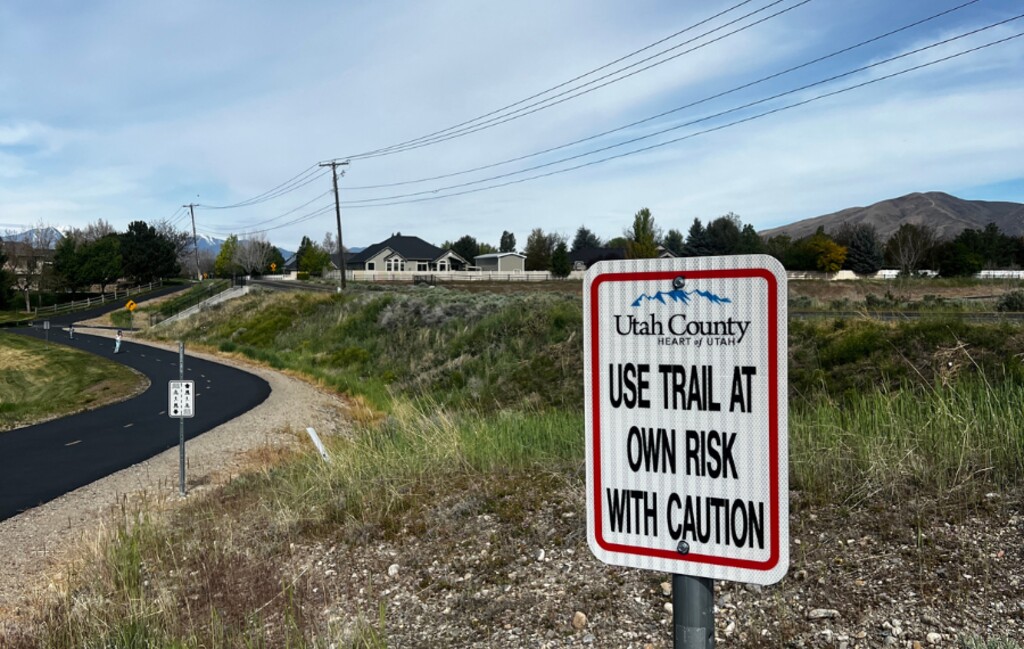
Case in point, Ronell Hugh, president of the Genesis Group, a support organization for Black Latter-day Saints, shared his reaction to an experience he said he had while on the Murdock Trail in Highland. A white man drove by, Hugh reported, and shouted a racist threat at him.
While many saw this as a clear and unacceptable act of racism, not everyone reacted the same way.
“There is 0% that this happened.”
“If he isn’t a BLM activist, he knows how to act like one.”
“This feels more like a political agenda.”
Looking back to 1865 slavery, moral clarity seems obvious. But that moral clarity is harder to see when looking at our communities. The racism of the past is different than what we see today, but racism should be condemned wherever it’s found.
If we hear reports of racism that are closer to home, we’re likely to raise an eyebrow of suspicion before we raise calls of condemnation.
Social psychologists refer to these feelings as “identity threat.” Racism that happened over there (in the distant past, in the South) is easy to condemn. When we hear of racism in our own backyard, though, we may put up our defenses. That defensiveness can overshadow feelings of concern toward potential victims.
It’s fair to ask questions about what happened and whether there were misunderstandings. But our defensiveness can also protect the reputation of our communities rather than address the pain of people harmed.
Hugh later organized “The Peacemakers’ Walk” inviting others to join and declare that they will not stay silent in the face of racism.
Hugh wrote “if you remain passive, indifferent, or silent… then you are complicit.”
The idea that silence is a form of passive acceptance may be hard to swallow. It may sound political and even appear divisive and counter to the goal of building bridges when we disagree.
What happens when we stay silent, though?
Research shows that norms about what people should and should not do are powerful. But norms are not only shaped by what people do. Norms are shaped by what we tolerate. And our silence can communicate tolerance of others’ pain, even if that’s not our intention.
A quiet community is not necessarily a peaceful one.
Sometimes naming the harm uncovers tension because the tension was already there. Of course, joining Hugh’s march or staying silent are not the only options. But staying silent can be one way in which we create an atmosphere where we say, “this is okay, I’ll tolerate this.”
Another reason we may stay silent is if we believe that the best way to overcome racism is to stop talking about race altogether.
Social psychologists refer to this as “colorblind beliefs.”
In a perfect world, perhaps this would work. But we don’t live in a perfect world. Our world comes in full color.
More importantly, colorblind beliefs are not only ineffective but counterproductive. Research shows that colorblind beliefs are related to more racism, less empathy and lower ability to work with people of other races.
The problem is not the desire to judge people’s character — in fact, that’s a great thing! The problem is when that desire turns into a refusal to appreciate or believe the racial experiences that our neighbors describe.
On Juneteenth, we celebrate and are grateful that slavery ended. It can also remind us to be honest about the distance that remains between our ideals and what’s happening in our backyards.
For Utahns, the challenge is not only opposing racism in the abstract, but also when it’s found a little closer to home.
(Juan Valladares) Juan Valladares is a professor of social psychology at Brigham Young University.
Juan Valladares is a professor of social psychology at Brigham Young University. He researches topics related to interracial interactions, racial prejudice, and cross-cultural contact.
The Salt Lake Tribune is committed to creating a space where Utahns can share ideas, perspectives and solutions that move our state forward. We rely on your insight to do this. Find out how to share your opinion here, and email us at voices@sltrib.com.