How can we ensure every adolescent grows up with a sense of love, connection and belonging in the world?
As a University of California graduate student studying social work and a survivor of Utah’s “troubled teen industry,” I am passionate about behavioral health at the intersection of therapy and advocacy.
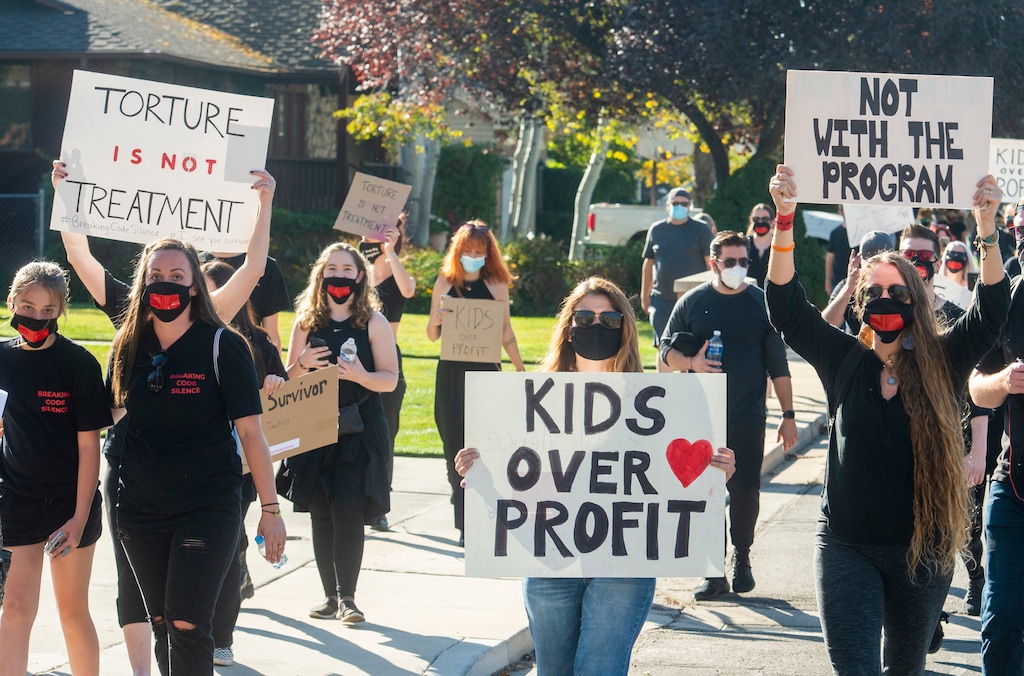
At 15 years old, I attended a residential treatment center in Utah, long before national attention exposed the harm behind its glossy advertising. In 2020, Paris Hilton publicly shared her experience of abuse at a Utah-based residential treatment program, prompting congressional hearings and a wave of media investigations. Her testimony opened the floodgates for others to come forward with eerily similar accounts of abuse, some of which were later amplified in Netflix documentaries like “The Program.”
That momentum gave me the courage to orchestrate a consolidated-action lawsuit against the facility I attended in Utah. A place that was supposed to offer healing from my parents’ divorce, boasting strong academics and creative therapeutic outlets, quickly became a nightmare as my autonomy was entirely stripped away. Inside, I saw attendees isolated from the outside world. Residents were alienated from their loved ones and from their right to dignity.
Private residential treatment programs — such as the one I attended — claim to provide clinical treatment for struggling youth. Programs advertise treatment for a wide spectrum of challenges, including mental health struggles, poor academic performance, substance use, childhood trauma, behavioral concerns, autism, eating disorders, promiscuousness and beyond. Thousands of families turn to these programs, persuaded by polished marketing of therapeutic care within a structured environment.
To the naked eye, private residential treatment programs appear like traditional, comfortable boarding schools with extra supportive and interactive components. The price tag often exceeds $10,000 per month per child, with programs often pushing one- to two-year stays. According to industry analyses, youth residential treatment programs generate billions in annual revenue nationwide, with Utah having the largest concentration of programs in the country.
Throughout the decades, residential programs have adapted similar punitive and coercive structures with little to no professional clinical oversight. State and federal investigations have documented cases of a variety of abuse, neglect and even deaths, along with gaps in monitoring, licensure and accountability among private institutions.
And the harm doesn’t end when children leave these programs. Many leave adversely impacted with additional traumas, fractured family dynamics and challenges reintegrating into everyday life.
While some facilities provide legitimate, evidence-based care, inconsistent oversight makes it nearly impossible for families to distinguish trauma-informed treatment from exploitation. They continue to operate under the radar. Lawmakers and regulators must enforce licensing of clinical staff, transparent reporting of safety incidents and guaranteed access to family, outside advocates and law enforcement.
Adolescence is a critical developmental period, marked by puberty, hormonal changes, exploring personal values and taking steps to define one’s future, according to the American Academy of Pediatrics. Heightened brain plasticity, emotional sensitivity and identity development make these years particularly vulnerable.
The pressures of our digital age intensify the mental health challenges faced by today’s youth, creating unprecedented stress and vulnerability. The Centers for Disease Control and Prevention reports that nearly 42% of high school students experienced persistent feelings of sadness or hopelessness in recent years.
My experience with residential treatment programs makes clear that guiding youth through their formative years demands evidence-based care that prioritizes safety, meaningful relationships and cultivating a strong sense of self. Families deserve transparency, and children deserve care that respects their fundamental human rights.
As social workers, lawmakers and educators, we share a responsibility to ensure that systems caring for minors are operating ethically behind closed doors. With lawsuits filed, documentaries aired and national media coverage exposing abuse in the troubled teen industry, the question remains: Where is the urgency for action?
(Ava Rose Dvorak) Ava Rose Dvorak is currently pursuing a Master of Social Work at USC with the goal of attaining licensure to become a therapist (LCSW).
Ava Rose Dvorak is currently pursuing a Master of Social Work at USC with the goal of attaining licensure to become a therapist (LCSW). Her academic background includes a B.A. in Sociology from UCLA and an A.S. in Social and Behavioral Sciences from CCSF.
The Salt Lake Tribune is committed to creating a space where Utahns can share ideas, perspectives and solutions that move our state forward. We rely on your insight to do this. Find out how to share your opinion here, and email us at voices@sltrib.com.