 Robert Gehrke
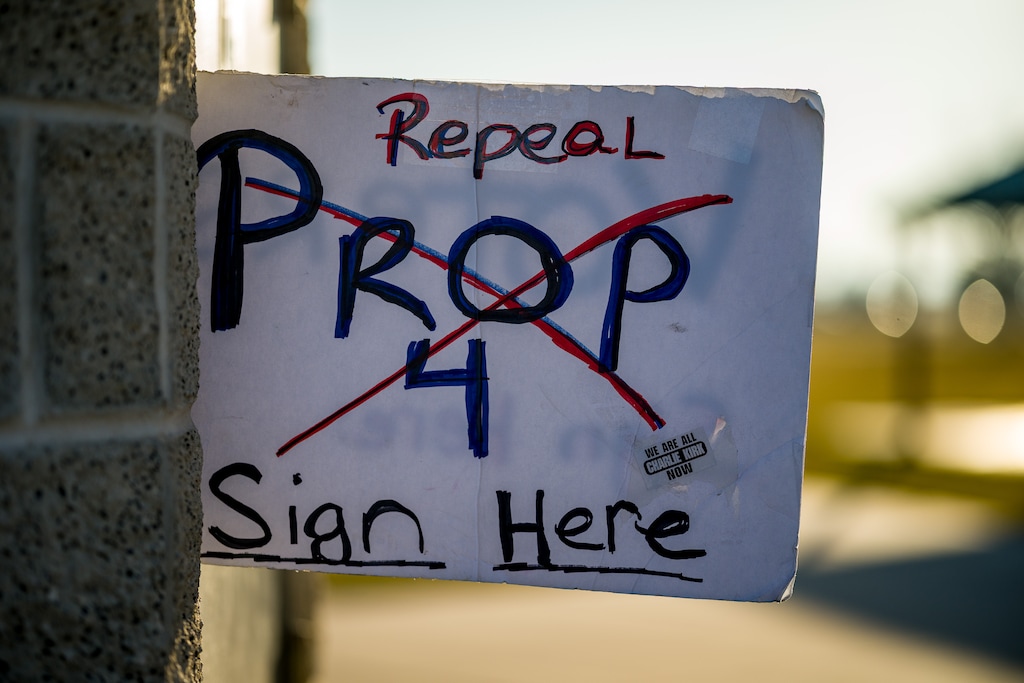
A North Carolina man pleaded no contest to two counts of forging signatures on petition packets for the failed Republican-led effort earlier this year to repeal the Better Boundaries’ anti-gerrymandering initiative.
In exchange for the plea, prosecutors agreed to drop 20 additional counts — nine forgery charges and 11 counts of unlawfully signing a petition packet.
A no-contest plea means that the man did not admit guilt, but accepts the punishment and is not contesting the charges. His plea was also held in abeyance, which means that the charges will be dismissed if he commits no new crimes, pays a $1,000 fee and follows other court conditions for at least a year.
According to the charges filed in April, the Uintah County clerk-auditor flagged as many as 165 of the 305 signatures the man turned in as potentially fraudulent.
Police interviewed nine people whose signatures were purportedly collected by the North Carolina man, and all nine told police they never signed the petition, according to court documents. Two whose names appeared on the petitions were dead when they were supposedly signed the petition, records show.
Social media accounts that appear to belong to the North Carolina man show he has worked for the North Carolina Republican Party and he has posted photos of himself with Vice President JD Vance and FBI Director Kash Patel.
He stayed in Vernal for about three weeks from late December through mid-January, according to court records, while he was working for Patriot Grassroots, a signature-gathering company, to collect support for the Republican-led Utahns for Representative Government’s push to repeal Proposition 4 — the Better Boundaries initiative that was approved by voters in 2018 and banned partisan gerrymandering in the state.
As a result of the initiative and a yearslong lawsuit, new court-imposed congressional boundaries have led to the creation of a Democratic district in Salt Lake County.
UFRG failed to gather enough signatures in the required 26 Senate districts to qualify for the November ballot after more than 10,500 Utahns removed their signatures from the petitions.
The plea in abeyance will expire after two years, but a judge could dismiss it after one year, provided the man complies with the court’s conditions.