Three of Utah’s national parks landed in the top 10 of a study that ranked America’s “happiest” parks, but it’s how that information was attained that’s unusual — not by asking park visitors, but by running an A.I. tool through their Instagram photos.
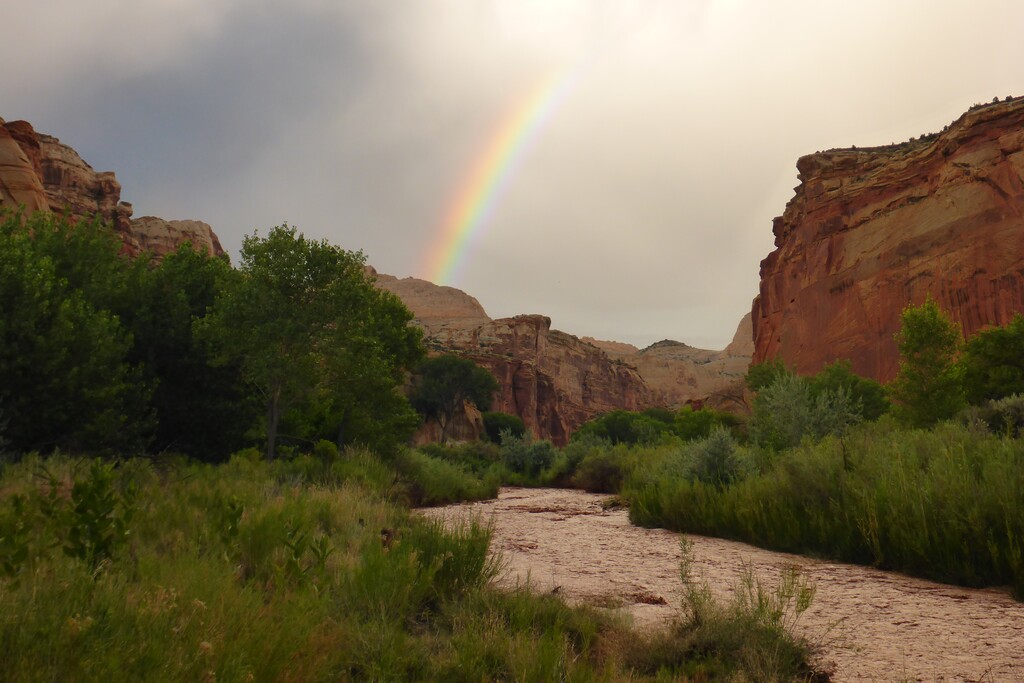
The study, released Wednesday by the social casino platform Ace.com ahead of National Parks Month in August, ranked Canyonlands at No. 4, Zion at No. 7 and Bryce Canyon at No. 10. Minnesota’s Voyageurs National Park came in at No. 1, and Utah’s Capitol Reef National Park ranked dead last among the nation’s 63 national parks.
Rather than surveying visitors, the company fed publicly available Instagram photos into Amazon’s Rekognition facial-analysis software, which assigned each image a “smile score” and a broader “happiness score” based on how happy the selfie-takers looked in their photos. The two were then averaged into a rating out of 100.
Canyonlands scored a whopping 99.72, and though Capitol Reef came in the bottom of the list, it still scored 86.88 — suggesting that all national parks tend to make people pretty happy.
According to Ace.com, the index relies on “hundreds” of photos spread across the 63 parks. And numbers of visitors apparently wasn’t a factor; the country’s most-visited park, Great Smoky Mountains National Park straddling Tennessee and North Carolina, draws 11.5 million annual visitors, but ranked just 27th on the “happiness” list.
Scraping public content is generally legal, ever since the Ninth Circuit ruled to allow automatically collecting public-facing data, since publicly accessible pages have no “gates” to break through.
Running biometric processing, though, is a step into gray legal territory. A.I. photographic processing of subjects who haven’t consented hasn’t been thoroughly litigated yet, though a major lawsuit filed by the American Civil Liberties Union, centering on Clearview AI — which scraped billions of public photos to build a face-identifying database for police and private clients — ended in 2022.
Ace.com trades in virtual currency rather than allowing wagering with actual money, a model the website iGamingExpress.com, which reviews online gaming options, says “allows it to operate legally in most U.S. states where traditional online gambling is prohibited.”