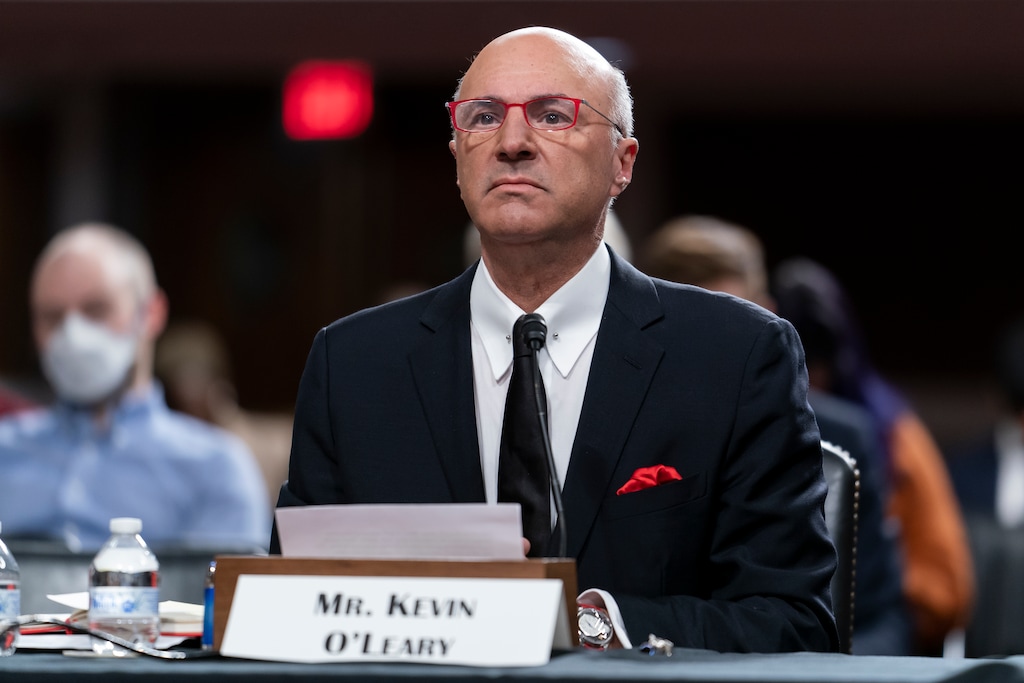
The project developer of the proposed data center in Box Elder County, who also stars on the reality show “Shark Tank,” continued to defend the facility during a Friday interview, while attempting to allay any environmental fears.
Appearing on CNN, Kevin O’Leary disputed environmental claims made by experts, saying the planned 40,000-acre Stratos project is “not gonna destroy air quality” and “not gonna drain the Great Salt Lake.”
A Utah State University physics professor explained how the data center could release heat equaling “23 atomic bombs” per day, while possibly raising temperatures near the facility by 12° Fahrenheit during nighttime hours.
O’Leary described project leaders as being transparent due to the national attention on the facility, and that the data center is moving forward “very slowly and incrementally.”
However, a slow process appears to contradict comments O’Leary made to the Utah Military Installation Development Authority board earlier this year, when he said, “We will be able to do this in the time frame, and I must say, and why we’ve been rushing it so fast, it’s a competition.”
Read more at fox13now.com.
Note to readers • The Salt Lake Tribune and Fox 13 News are content-sharing partners.