 Paighten Harkins
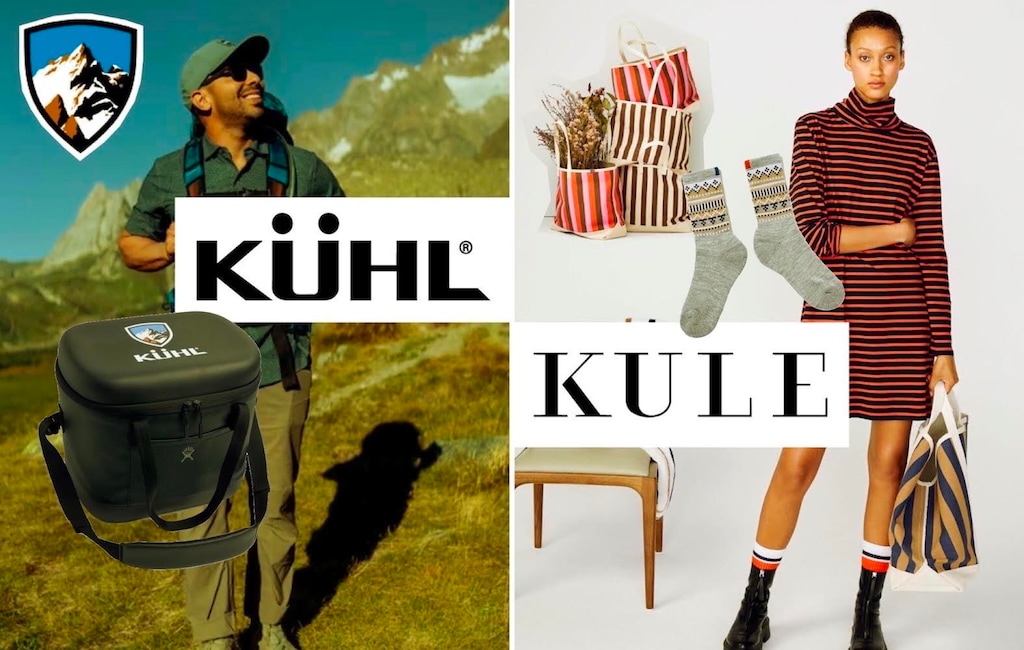
For more than two decades, Utah-based clothing brand KÜHL and New York-based Kule coexisted in their own fashion lanes, despite similar brand names that are four letters long and seemingly both pronounced like “cool.”
Kule made “classic clothes with a happy wink,” known for its “perfect stripe shirt.” KÜHL — a brand “born from the rebellious philosophy to question everything, break rules and challenge the status quo” — made hats, jackets and bags for outdoor enthusiasts.
But more recently, Kule made a mistake. It missed a trademark deadline, and KÜHL acted, saying it had “recently become aware” of Kule and asked the brand to abandon its application. The New York brand didn’t, and a legal battle followed.
Then this month — weeks after a Utah federal judge ruled against Kule in several pretrial arguments and with a planned trial still on the schedule — founder Nikki Kule announced her brand’s “final chapter” after 25 years of business.
Nikki Kule wrote that she is “yearning for something different” and that this felt like the “perfect time to turn the page.” She has not publicly connected the lawsuit to the clothing brand’s demise, and neither she nor her attorneys responded to The Salt Lake Tribune’s requests for comment. KÜHL declined to comment because of the ongoing legal proceedings.
But the timing raises the question: Did KÜHL help kill Kule?
It’s hard to know. While Nikki Kule did not mention the litigation in her farewell message, she did hark back to the origin of her longstanding brand’s name:
“Kule has carried my family name with style, humor, and purpose. To everyone who wore Kule, worked alongside me, believed in this from the beginning, or simply followed along, thank you,” she wrote. “It has been the honor of my life.”
That name, by the way, rhymes with jewel, the family asserts. Not cool.
The missed deadline
Kule has used its brand name since 2001 and received federal registration for the standalone word Kule in 2011, based on Kule’s “continuous use since its founding,” according to court papers. That registration lapsed in July 2022 because of a “clerical oversight,” and its application for a trademark led to the cease and desist letter from KÜHL.
In the letter, KÜHL, which has operated since 1993, said it was worried because Kule’s name “includes the identical KUL letters pronounced COOL.”
“Our client KÜHL is concerned that any use of the mark KULE with clothing will potentially confuse the public into believing that there is a relationship with our client KÜHL,” the letter continued.
It also included a warning, saying if the application wasn’t “abandoned, KÜHL will oppose registration and pursue all possible legal action to protect its customers.”
It added: “KÜHL hopes that by notifying your organization at this stage, lost marketing expenses toward the use of KULE can be minimized.”
Kule did not want to abandon its application and the companies began negotiating, according to court documents. Then, Kule filed a lawsuit in the Southern District of New York, anticipating that KÜHL would make good on its threat to take them to court, but that case was ultimately thrown out in favor of a case KÜHL filed in Utah federal court.
The litigation
In that lawsuit, KÜHL argued it has used its name and branding since Feb. 1, 1994, and Alfwear, which does business as KÜHL, has owned some form of KÜHL’s trademarked name and logo since July 1996.
Kule’s name, it alleges, is “nearly identical in sight, sound, and meaning to the KÜHL marks” and both sell “clothing to similar customers.” This includes people “who enjoy outdoor activities.”
While Kule is perhaps better known for its striped apparel, the lawsuit pointed to a ski-themed Kule collection that featured items saying “KULE SKI.”
Kule, in turn, filed a counterclaim against Alfwear. It attested that the parties “have coexisted without confusion for over twenty years.”
The decision
While the Utah federal court case remains pending, a judge did rule against key arguments in Kule’s case about a month and a half before Kule announced it was closing.
Kule had asked for summary judgment to decide the case, arguing that KÜHL had waited too long to sue and that their clothing brands were fundamentally different. KÜHL, Alfwear’s founder testified, makes “casual sportswear that is technical and high performance,” the order read. While Kule makes “fashion apparel,” that isn’t “rugged” or “waterproof” and features no “spandex” or “sweat-wicking properties.” You can’t even put most of Kule’s clothing in a dryer, the order said.
But Judge Dale A. Kimball wasn’t persuaded enough by those arguments to close the case without a trial, since he did see similarities between the two brands.
“Although the parties’ products are not identical in every respect, substantial similarities exist between them,” he wrote.
They both “promote clothing designed for everyday wear and active lifestyles,” he continued, “often emphasizing similar functional attributes such as lightweight construction, durability, comfort and stretch.”
Kimball also rejected Kule’s argument that KÜHL had waited too long to sue.
Still, he also decided both sides’ consumer-survey experts could testify. KÜHL’s expert found there was significant confusion between the brands, while Kule’s expert found none.
A jury trial to decide the ultimate issue is still scheduled for February.