 Peggy Fletcher Stack
 David Noyce
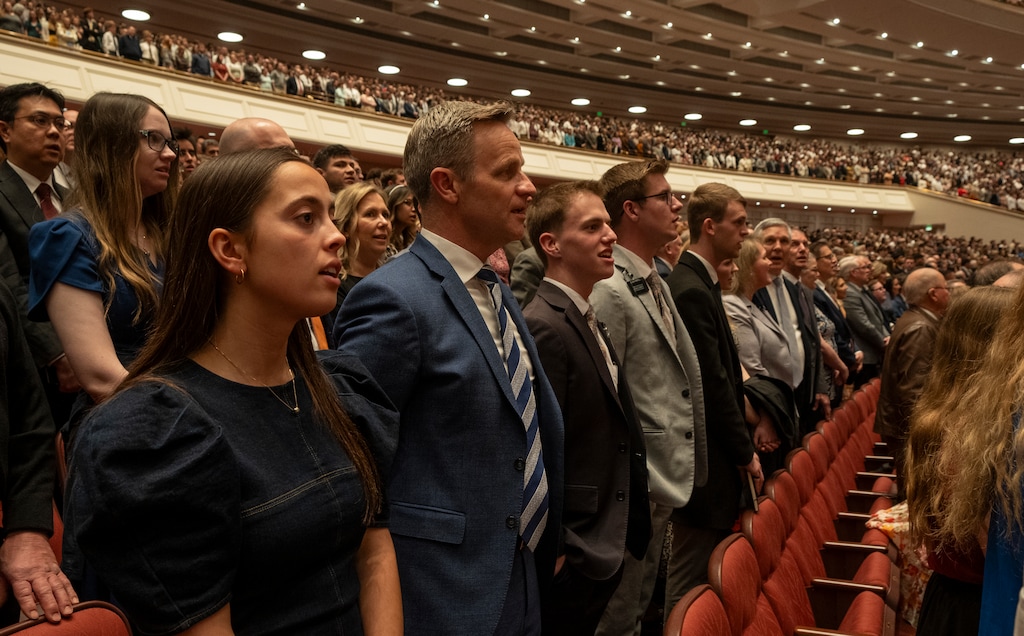
At least four aspects of the just-completed General Conference of The Church of Jesus Christ of Latter-day Saints stood out:
• The Easter weekend focus on the death, resurrection and Atonement of Jesus Christ.
• A solemn assembly combined with Dallin H. Oaks’ first conference sermon as the 18th church president.
• A record number of convert baptisms in 2025.
• The choice of an African woman to lead the faith’s Primary organization for children.
Oaks gave a powerful talk about peace, definitely a timely topic. And the elevation of the first African as head of any of the faith’s global organizations was historic. But the weekend falling on Easter meant that most of the talks began to sound alike — even repetitive — and quite similar to what you might hear at any Christian church on that sacred holiday.
That begs a number of questions: Is it time to rethink the structure and substance of these semiannual gatherings? Are there too many sessions? Are they too long? Does the Saturday evening session need to return? What about a women’s meeting? What about the speeches themselves, especially since they will form the basis of Relief Society and priesthood quorum lessons (occurring every Sunday starting in September)?
On this week’s show, Margaret Olsen Hemming, co-editor of Dialogue: A Journal of Mormon Thought, and Sam Brunson, a law professor and Latter-day Saint blogger with By Common Consent, address those questions and more.
Listen to the podcast:
Hired in 1991 to cover Utah's various faiths, particularly Mormonism, Peggy has talked forgiveness with Archbishop Desmond Tutu, nearly fainted waiting for the Dalai Lama, fasted with Muslims during Ramadan — and has reported on 50 consecutive semiannual LDS General Conferences.
David is a managing editor at The Tribune, where he has worked since 1984. He oversees coverage ranging from local government and west-side issues to growth, development and housing. In addition, he directs religion reporting, co-hosts the award-winning “Mormon Land” podcast and writes the Mormon Land newsletter.