 Peggy Fletcher Stack
 David Noyce
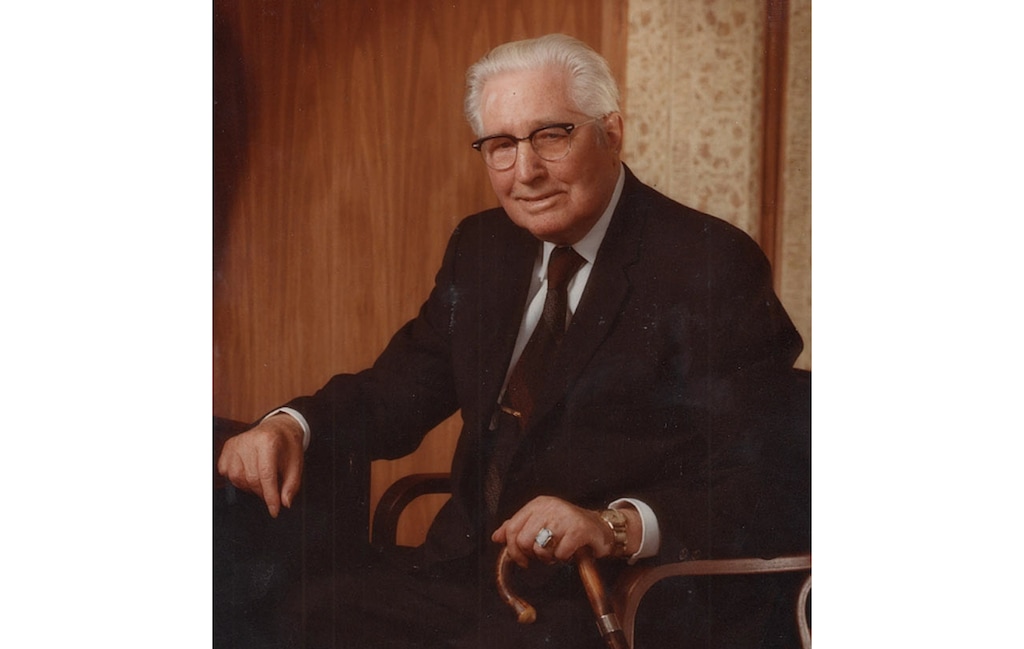
To many liberal members of The Church of Jesus Christ of Latter-day Saints, apostle Hugh B. Brown was an ecclesiastical icon, a fierce warrior for social justice and a passionate proponent of ending the faith’s former temple/priesthood exclusion of Black members. Still, Brown was not without his critics, including some strong opponents among the church’s highest leadership ranks.
As a member of the governing First Presidency from 1961 to 1970, for example, Brown wrangled with future church Presidents Harold B. Lee and Ezra Taft Benson, as well as other apostles.
“For a generation of Latter-day Saints, he represented the kind of pulpit magic associated with names like Orson F. Whitney, Brigham H. Roberts and Melvin J. Ballard from an earlier day,” wrote scholar Richard D. Poll in Dialogue: A Journal of Mormon Thought. “For thousands of individuals with questions and problems, he represented the kind of understanding and counsel associated earlier with John A. Widtsoe, James E. Talmage and Joseph F. Merrill.” To Poll “and many others who knew him personally,” the historian wrote, Brown “was a multifaceted, magnificent human being.”
Yet, the outspoken Democrat eventually was dropped from the First Presidency, which left him bitter and sad.
On this week’s podcast, Matthew Harris, a history professor at Colorado State University Pueblo and author of “Second-Class Saints: Black Mormons and the Struggle for Racial Equality,” who is working on a Brown biography, explains some of the controversies surrounding the beloved leader.
Listen to the podcast: