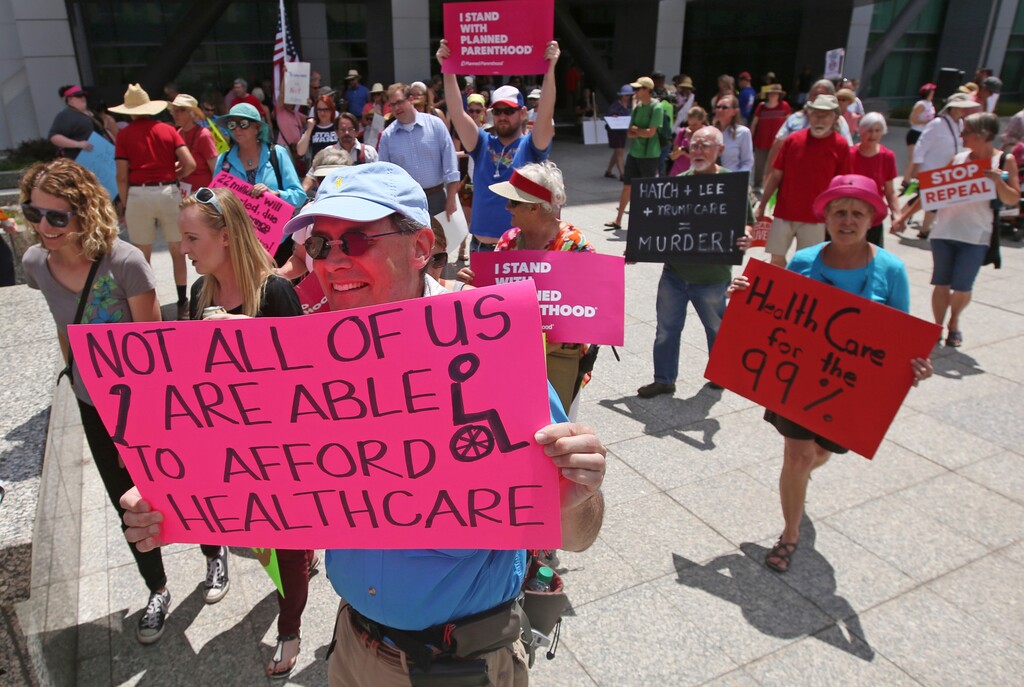
I recently lost a friend to a preventable illness that ultimately led to organ failure. What makes this especially painful is that his death likely could have been prevented if he had been able to access medical care earlier. For years, he avoided going to the doctor because he could not afford it. This is not an isolated story. It reflects a much larger problem in our health care system.
In Utah, barriers to care remain a serious concern. According to Healthcare Value Hub (2023), “over 4 in 5 (86%) worry about affording healthcare in the future.” Utah also has an uninsured rate of about 8-9%, slightly above the national average (Association of Health Care Journalists, 2024). Even for those with insurance, high deductibles and out-of-pocket costs can delay preventive care and early diagnosis.
When healthcare is delayed or avoided, conditions often go undetected until they become severe or fatal. Research shows that adults without insurance are 40% more likely to die than those with private insurance and 25% more likely to be diagnosed at a late stage of disease (Physicians for a National Health Program, 2009). This is not just a personal issue. It is a public health and equity issue.
If we value life and health in Utah, we must ensure access to care. Policymakers should expand affordable coverage, strengthen preventive services, and invest in community health clinics that reduce financial and geographic barriers.
We cannot claim to support health and well-being while allowing cost to remain a barrier to basic medical treatment.
Lana Decker, Springville