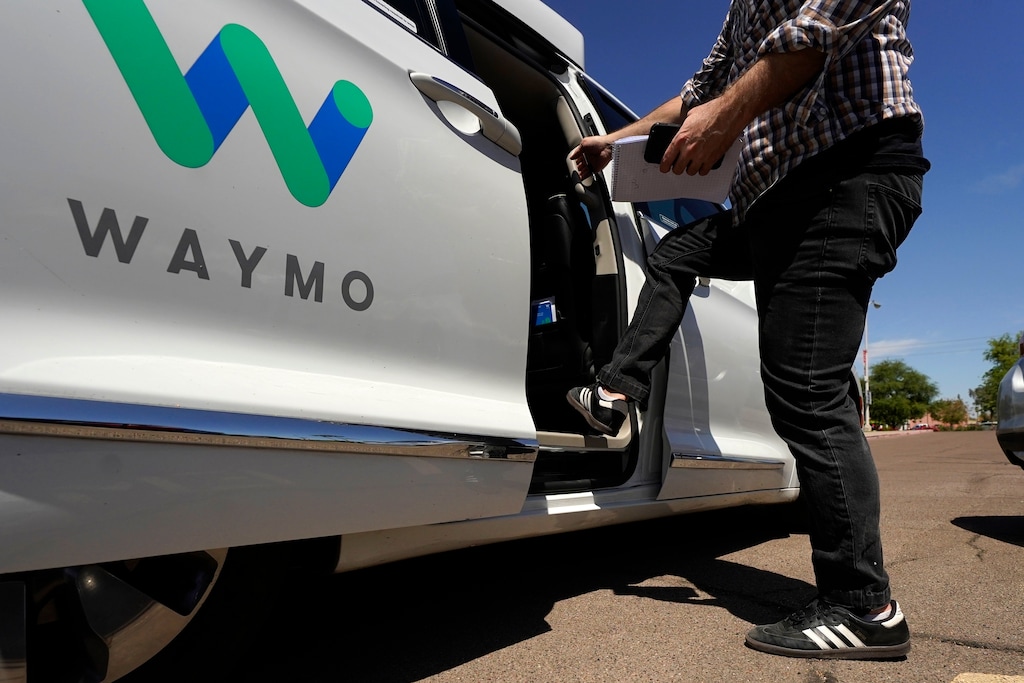
A friend’s positive comments after using a driverless rideshare got me thinking about the “trickle up theory of economics” and the impact of AI on real life situations.
Where does the $20-30 dollars an hour that a rideshare driver earns to support the family go?
Probably to the local grocery, hardware and department stores, barbershops, and, hopefully, some movie theaters, sports venues, etc. The money these businesses receive goes to local, then national distributors and finally to corporate owners, “trickling up.” At least those dollars spend some time in the local community before moving on.
Can the same be said for the $25-40 spent for the AI rideshare?
Who can afford a fleet of these vehicles? Probably not your average citizen.
Gas and maintenance may be similar in both situations but the rest of the revenue from driverless cars is probably spent in places other than the local community.
As I see it, jobs lost to AI don’t just affect those workers but also many of those working in the communities where they live. We could be more aware of the choices we make in our daily lives.
The outcome of advancing technology may be inevitable but it does seem worth considering how our money could be spent most thoughtfully.
Charles Ralston, Salt Lake City