The 12th extreme atmospheric river just clobbered California (“Powerful Pacific tempest clobbers storm-battered California,” The Tribune). Downpours overwhelmed storm drain systems. Powerful winds felled trees, killing motorists. A train derailed. Three barges were blown loose and rammed into a bridge. Windows were blown out of high-rise buildings in San Francisco. Tornadoes touched down in two cities. Tragic events. Expensive. And here in Utah, floods are starting. Unfortunately, variations of this extreme weather are happening all over the world.
According to climate scientist Noah Diffenbaugh at Stanford University it has been understood for years that a warming climate would result in periods of extreme drought punctuated by severe, wet storms. We know what causes this “weather weirding,” says Katharine Hayhoe, a Texas Tech climate scientist: “Continuing to burn gas, oil, and coal will continue to make it worse.”
As a nation we’re finally beginning to work on climate legislation, having passed the Inflation Reduction Act of 2022. However, its many provisions to reduce greenhouse gases will be stalled unless permitting reform with environmental safeguards is enacted. Just like you need a building permit to build a home, big energy projects must get approval from local, state and/or federal authorities to start construction. Permitting is necessary but adds time and expense to these projects. The good news is, in 2021, 85% of new energy capacity was clean energy and more than 92% of new energy projects awaiting permits are for wind, solar and geothermal. Permitting reform along with a price on carbon are critical to make the clean energy transition happen fast enough to meet climate targets.
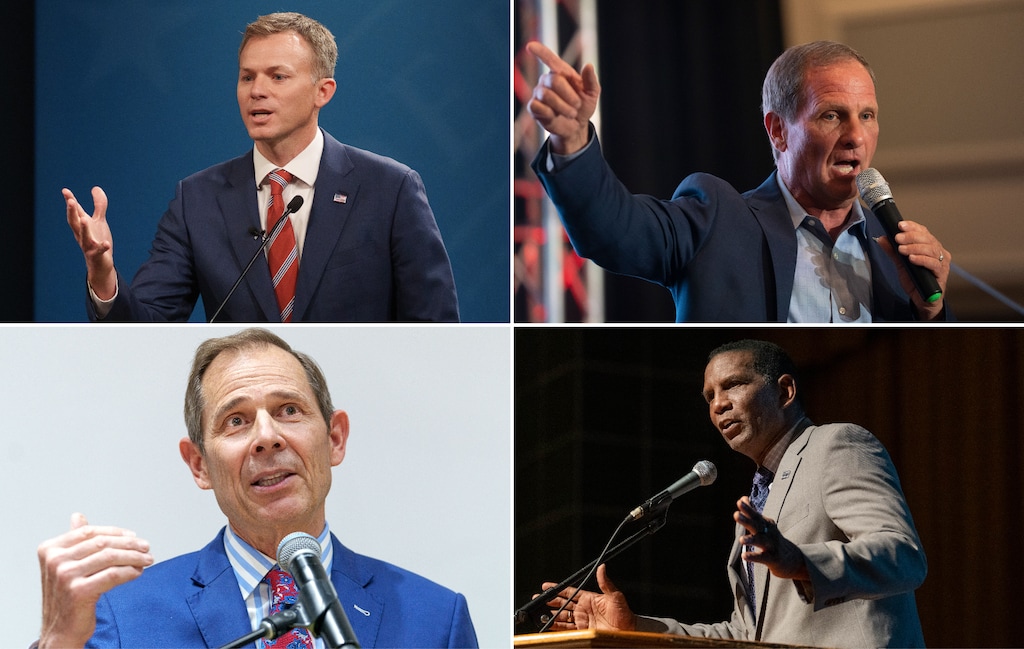
Rep. Blake Moore, Chris Stewart, John Curtis and Burgess Owens need to hear from us, as do Sen. Mike Lee and Sen. Mitt Romney. With the knowledge and technology we already have, and the immediacy of the problem, ask them to get to work right away. Let’s cut the red tape!
Catherine Sharpsteen, Salt Lake City