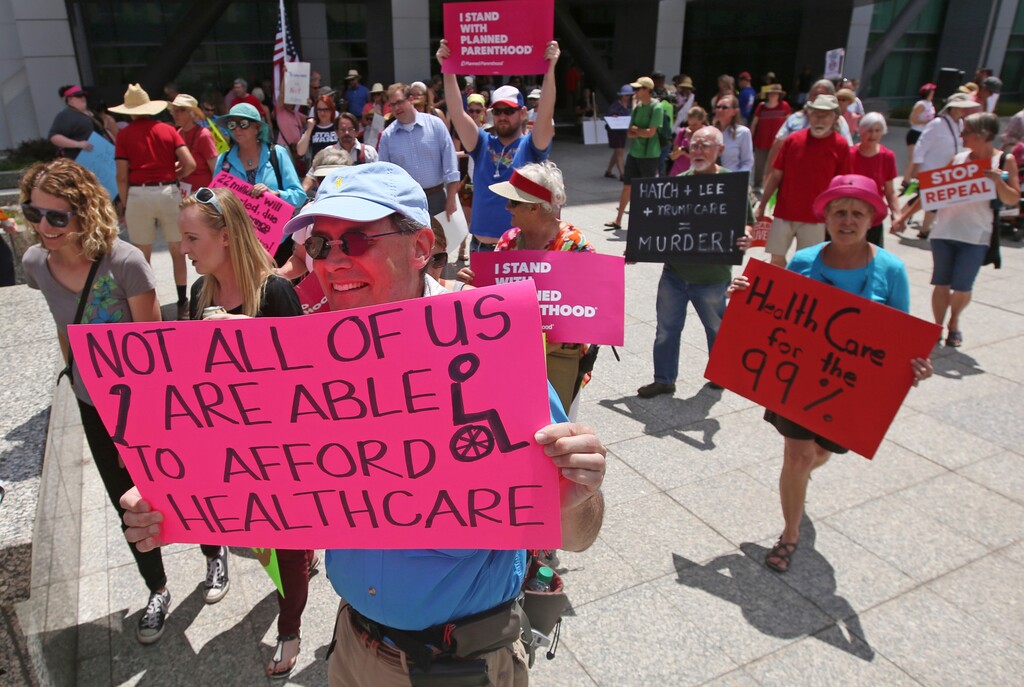
According to a recent Families USA report, layoffs triggered by COVID-19 have created America’s greatest losses of health insurance coverage in its history — comprehensive health insurance has ended for 25,000 workers and their families in Utah.
This number would have been even higher, but thankfully Utah (finally) fully expanded Medicaid just before the pandemic hit. After a successful ballot initiative and a year of legislative interference, Utah opened eligibility for those below 138% of the federal poverty level on Jan. 1.

And thank goodness, because I lost my job in March — in the midst of a personal health care struggle — and with it, my employer-sponsored health insurance. Because of Medicaid expansion, I was finally approved for Medicaid in June, giving me the ability to continue pursuing diagnostic testing and, most importantly, keep peace of mind during a global health care emergency. In states without Medicaid expansion, people like me are too often left managing unemployment and chronic illness without health insurance.
However, more action is needed. Preserving comprehensive health insurance (and not just COVID-specific coverage) needs to be a top priority for congressional action during the country's most significant public health crisis and economic crash in living memory.
Without health insurance, people delay seeking care when they first get sick. This allows COVID-19 to spread undetected. Lack of insurance also puts families at risk of preventable conditions and especially threatens the health of chronically ill and disabled people.
With millions of people out of work, the last thing they need is to get hit with unpaid medical bills. No one should be forced to choose between getting essential health care and feeding their families or making next month's housing payment. However, that is what at least 25,000 people in Utah will continue to face unless Congress takes immediate and effective action.
Kristen Wolfe, Salt Lake City