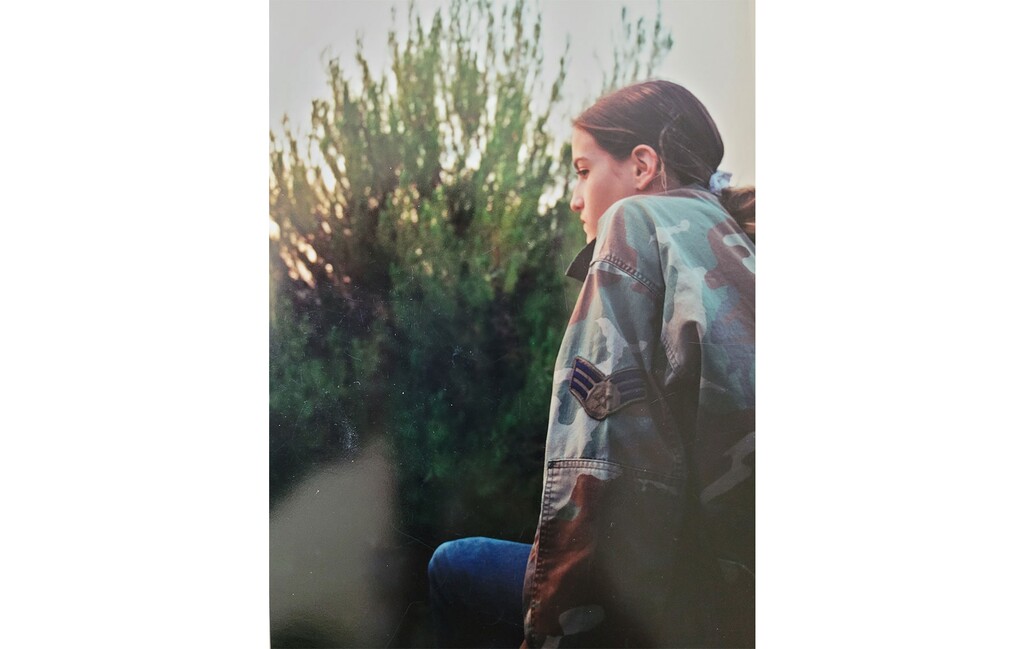
I was held at Provo Canyon School (PCS), as a 14- to 16-year-old girl from 2003 to 2005. My time in that place, and the aftermath of the abuse that occurred there, propelled me into the work of both understanding the broader industry that creates environments like PCS and raising awareness of the issue in order to stop it.
I went public with my story independently in 2008, before there was celebrity attention on this issue. I then worked as a founder of the “#BreakingCodeSilence” public movement in 2019, and later in the docuseries “Teen Torture, Inc.” As a result of these efforts, I have received hundreds of messages from people with their own stories to tell me, many from PCS specifically. Survivors describe the scars from their time at PCS — some physical, some emotional, but all devastating to observe. Parents have told me that their children died by suicide after their time at PCS. I’ve heard from former staff who say they feel crushed under the guilt of witnessing, but failing to stop, abuse.
The common threads in the types of abuse reported at PCS over these decades form a striking and undeniable pattern.
After years of advocates raising the alarm about this facility, hundreds of reports, investigations and recorded violations involving the treatment of the children under its care, PCS is finally facing meaningful consequences with the revocation of its license and the imminent closure of both the Provo and Springville campuses. This news has brought a wave of gratitude from survivors of institutional child abuse that this business will finally no longer be permitted to take children. However, I anticipate that PCS will appeal this revocation. I implore local officials to fully and swiftly reject such an appeal and to please enforce the closure of PCS.
While at PCS, I was dragged from a top bunk, pinned and often left in isolation, well after multi-billion dollar conglomerate Universal Health Services (UHS) took over operations. My head was shaved for having a haircut that went against code. After I attempted to run away, the punishment of isolation and forced silence broke me down. I was then met with more time in a bare cell and daily, sometimes twice-daily, forced injections of Haloperidol — which left me unconscious on the cement floor for hours. My experience was not unique.
Some of us were so desperate to escape that we would starve or injure ourselves, even drink cleaning supplies in hopes that we would be taken to a hospital so that we could get help.
I entered that place as a child with depression due to childhood trauma. I left broken in ways that would take me 10 years to piece together and understand for what they were: the effects of complex, sustained abuse during my more than two years at PCS.
Since the mid-70s, PCS has functioned, or malfunctioned, beneath a cloud of allegations of child abuse. It has taken decades for the truthfulness and consistency of these allegations to come into focus. PCS has developed an institutional culture all its own, in which under-qualified, under-supported staff have been left to provide supervision and treatment to vulnerable children with vastly different mental, physical and emotional needs. The power structure and high-stress system imposed on both children and staff create a reactive environment which breeds abusive behavior. Violence, misused and abusive physical restraint, chemical restraint, humiliation and neglect have been, from my experience, the backbone of this culture throughout the lifetime of the facility.
Children in this scenario don’t usually understand the abuse for what it is, as it is occurring. We just know that life is hard, and we have to adapt. As we age and comprehension dawns, a different kind of suffering and, hopefully, healing begins. Through maintaining friendships with some of my peers from PCS, I have seen that the effects are lifelong. Sometimes the nightmares are, too.
Based on my experience, what I’ve learned from others and now the complaints and cases that have led to the current actions being taken to close the facility, it is absolutely clear to me that the patterns of abuse from my time there have continued. PCS has repeatedly put its efforts into protecting its institutional standing rather than doing what it claims to do for children, at both the Springville and Provo compounds. While minor changes have been made, these issues appear to remain as present as ever.
There are so many people holding their breath right now, hoping beyond hope that this decision to close PCS holds. That it will finally be denied access to vulnerable youth and barred from further opportunities to cause harm while padding the pockets of UHS.
I respectfully urge the State of Utah to uphold the revocation of PCS’s license and reject any appeal seeking to restore operations at either campus.
Children deserve safe help. That cannot happen until we stop allowing them to be abused for profit while calling it “care.” I am so hopeful to see that we are almost there.
(Jen Robison) Jen Robison is an advocate working to end institutional child abuse.
Jen Robison is an advocate working to end institutional child abuse. An artist, she lives in Oregon with her husband and children.
Note to readers • An earlier version of this op-ed appeared in The Salt Lake Tribune’s July 19 print edition. It was written before Utah officials announced they are shutting down Provo Canyon School’s original Provo campus. In light of that news, this op-ed has been updated.
The Salt Lake Tribune is committed to creating a space where Utahns can share ideas, perspectives and solutions that move our state forward. We rely on your insight to do this. Find out how to share your opinion here, and email us at voices@sltrib.com.