Anyone who has encountered an uncollected mess on a neighborhood trail knows the basic rule: If you create a problem, you are responsible for cleaning it up. It is a simple expectation, and one that applies just as much to public policy as it does to everyday life.
That principle is at the heart of a long-overdue effort underway in Utah: modernizing the state’s oil and gas bonding rules.
We have both spent our careers working on issues where fiscal responsibility and sound environmental policy go hand in hand. In this case, they point in the same direction. Updating bonding requirements is a practical, balanced step that protects taxpayers while supporting a stable and accountable energy sector.
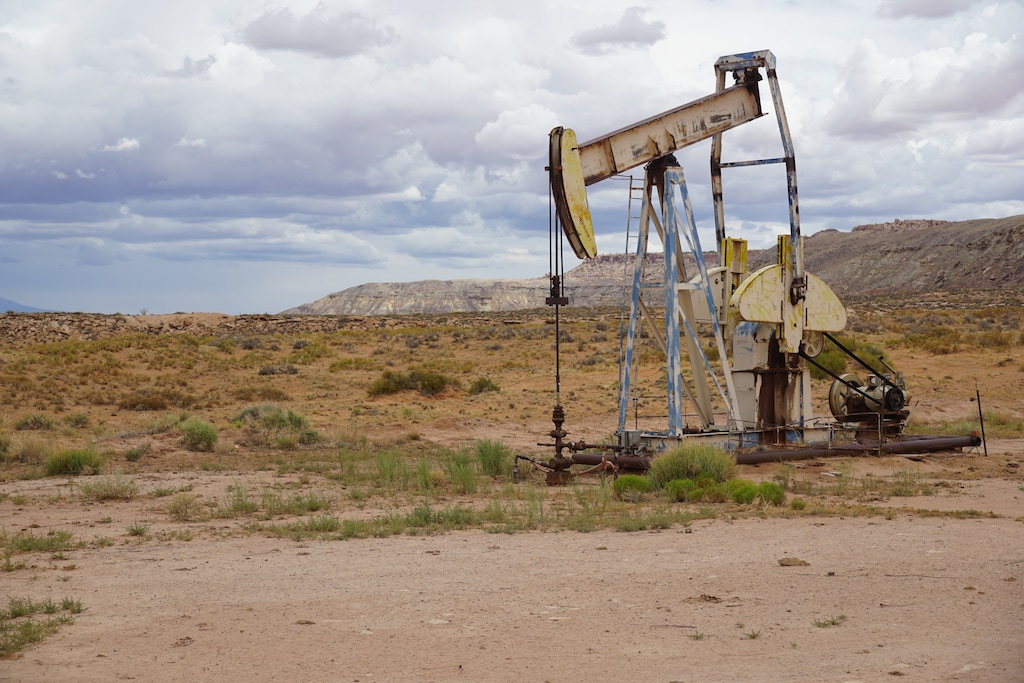
Bonding is a key safeguard for taxpayers. When an oil and gas company drills a well, it is required to post a bond, a financial assurance that the company will plug the well and restore the site when operations end. If the company fails to do so, the state can use the bond to cover those costs.
When structured properly, bonding ensures that cleanup costs are borne by operators, not the public. But Utah’s current system has not kept pace with reality. The existing rules are decades old and no longer reflect the true cost of plugging wells.
Today, a company can post a blanket bond of $50,000 to cover all its wells in the state. Yet the average cost to plug a single well is approximately $75,000. The math is straightforward. A company with 100 wells could face roughly $7.5 million in cleanup costs while only posting $50,000 in financial assurance. That gap creates a clear risk that taxpayers could be left holding the bill.
Utah’s energy sector plays a role in the state’s economy and daily life. At the same time, it is essential that the rules governing development ensure accountability across the board, both to protect taxpayers and to maintain public confidence in the system.
For the past several years, state regulators, industry representatives and stakeholders have been working together to update Utah’s bonding framework. The proposal now under consideration reflects that collaborative effort and represents a significant step forward. While there is always room for improvement, this proposal reflects thoughtful collaboration and meaningful progress, and is worthy of support.
Rather than a one-size-fits-all approach, the updated system would better align financial assurance with actual risk. It considers factors such as the number of wells an operator has that may be unlikely to generate sufficient revenue to cover their own closure costs. Operators with lower-risk portfolios would see little change, while those with higher-risk wells would be expected to provide stronger financial backing.
This approach is not about penalizing industry. It is about ensuring that the system reflects real-world conditions and that financial responsibility is appropriately matched to potential liability. It also helps ensure that responsible operators are not placed at a disadvantage by outdated rules that allow others to defer or minimize cleanup obligations. This proposal reflects meaningful progress and moves Utah closer to a system that fully aligns financial assurance with the real-world cost of cleanup.
Utah has an opportunity to lead by example. The current proposal shows what is possible when industry, policymakers and stakeholders come together to solve a problem in a thoughtful and pragmatic way.
Getting bonding right is not just about today. It is about preventing future liabilities and ensuring that Utah continues to manage its resources responsibly. With the right updates in place, we can protect taxpayers and strengthen confidence in the system for years to come.
(Steve Handy) Steve Handy is a former Republican member of the Utah House of Representatives and was co-chair of the Legislature’s bipartisan Clean Air Caucus.
Steve Handy is a former Republican member of the Utah House of Representatives and was co-chair of the Legislature’s bipartisan Clean Air Caucus.
(Patrice Arent) Patrice Arent is a former Democratic member of the Utah Senate and House of Representatives and was the founder and co-chair of the Legislature’s bipartisan Clean Air Caucus.
Patrice Arent is a former Democratic member of the Utah Senate and House of Representatives and was the founder and co-chair of the Legislature’s bipartisan Clean Air Caucus.
The Salt Lake Tribune is committed to creating a space where Utahns can share ideas, perspectives and solutions that move our state forward. We rely on your insight to do this. Find out how to share your opinion here, and email us at voices@sltrib.com.