 Brock Marchant
After finding their community at the center of national attention over a massive proposed data center campus, voters ousted two Box Elder County commissioners during primary elections earlier this year.
Now, those voters have decided who will take the helm.
In the race for County Commission seat A, Republican Vance Smith has garnered 7,215 votes, while unaffiliated candidate Alan Williams had 4,306, according to early, unofficial returns as of about 8:30 p.m. Tuesday.
The race for county commissioner seat B, meanwhile, was effectively decided in June, when Nathan Tueller ousted incumbent Lee Perry during the Republican primary. Tueller ran in the general election uncontested.
Commission shake-up
Both Perry and Commissioner Boyd Bingham lost their reelection bids to fellow Republicans they faced during the primary.
Perry chalked the loss up to a controversial vote the commission unanimously made that cleared the way for the Stratos project — a proposed hyperscale data center campus being developed by celebrity investor Kevin O’Leary.
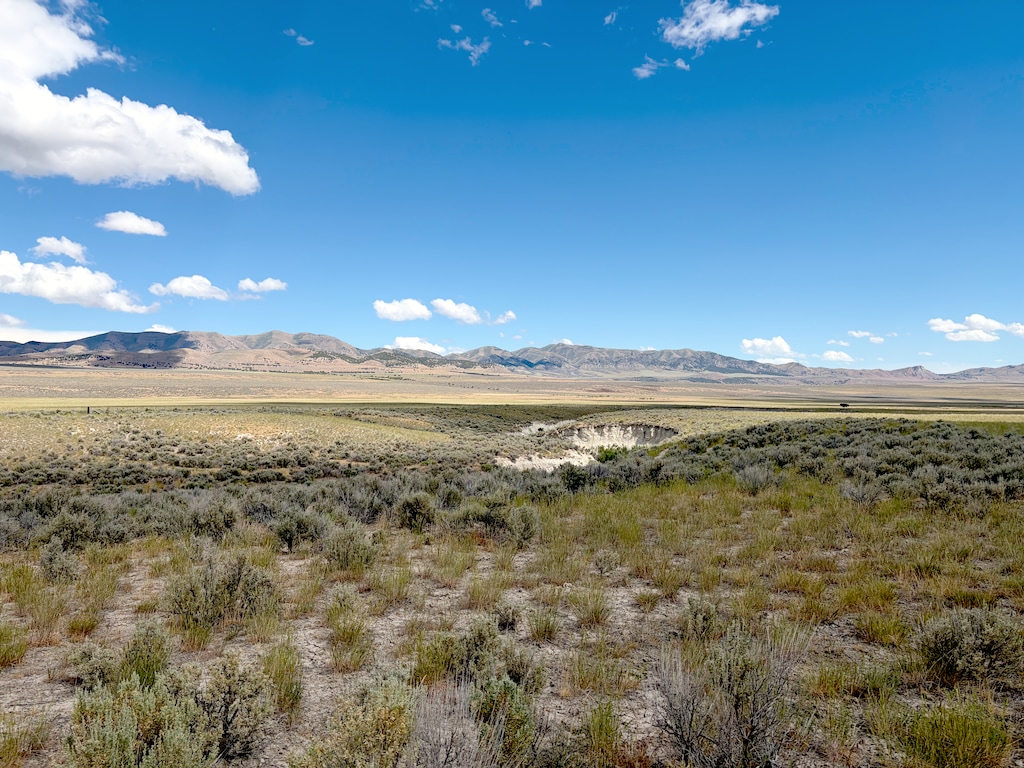
The project area could span about 20,000 acres north of the Great Salt Lake, which has concerned people in Box Elder County and beyond over its water use and potential environmental effects.
In May, Perry and Bingham joined fellow commissioner Tyler Vincent (whose seat was not up for election this year) in a vote to let Utah’s Military Installation Development Authority create the Stratos project area, which means the quasi-government group can bypass county zoning and land use regulations.
“Do I think that the data center vote cost me the election? Yes I do,” Perry said shortly after losing the primary. “I wouldn’t vote differently, but I would push back against the state and make them come out publicly and tell everybody why they’re forcing it down our throat.”
More recently, O’Leary has faced lawsuits over comments he had made accusing people publicly against the data center campus of working with the Chinese Communist party or Chinese government.
Candidates on data campus
For their part, not all of the commissioner candidates on Tuesday’s ballot have taken hard stances against the data center campus.
In June, Tueller said the county commissioners could have done a better job communicating with the public about the project.
“We really don’t know what options they were given,” he said. “Were they actually able to negotiate property tax or did the state do all that?”
Still, he didn’t think the commissioners were wrong to approve the project area, especially given the rough position the state put them in.
Smith thought the Stratos project controversy magnified an underlying desire in the county for stronger leadership.
His campaign website doesn’t show any stance for or against data centers.
Williams, on the other hand, identified himself as “the only anti-data center candidate on the ballot” on his campaign Facebook page.
“My number one goal is to stop the Stratos project. I feel this project is the greatest threat to our county,” he said in a message to The Salt Lake Tribune and Utah Public Radio. “I’ve worked on many multibillion-dollar projects that have ruined small communities ... and I don’t want to see the same thing happen to [Box Elder County].”
— This is a developing story.