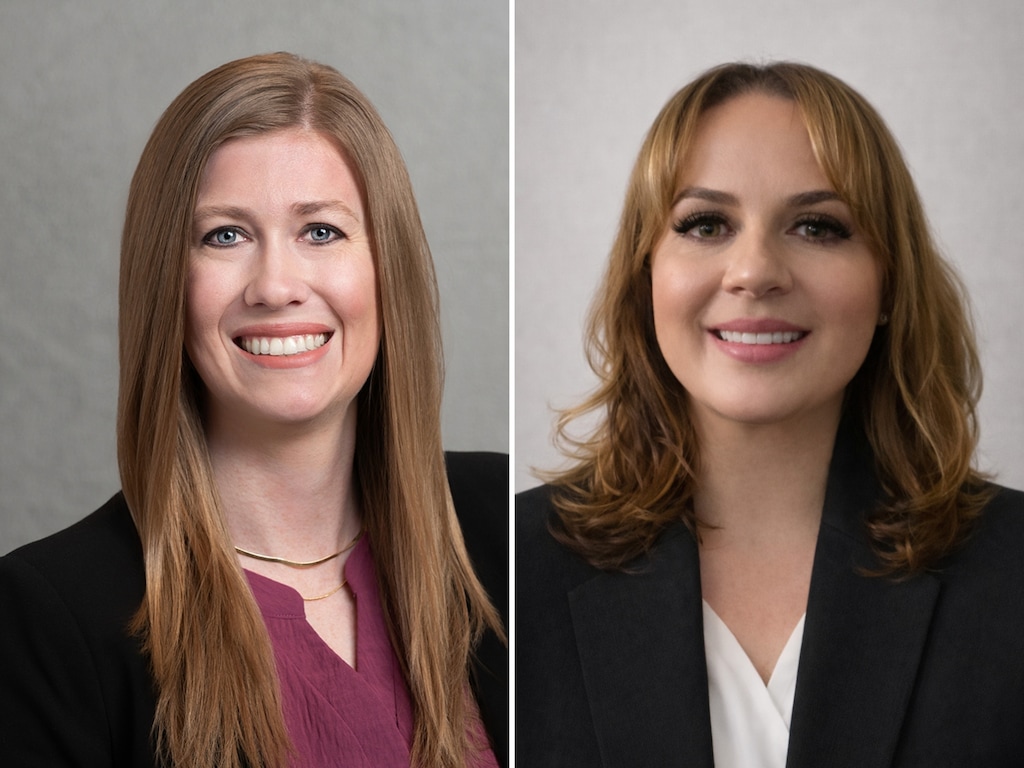
 Paighten Harkins
Note to readers • Click here to find an interactive map where you can enter your address to see all the races on your ballot that have a voter guide from The Salt Lake Tribune.
As Eagle Mountain and the surrounding communities struggle with growth, a Democrat is challenging the incumbent Republican for a seat in the state House, promising change and accountability.
Rep. Stephanie Gricius, however, said on her campaign website: “There is more work to be done.”
Gricius, the House majority caucus manager, began representing District 50 in 2023, and sponsored the 2025 bill that banned adding fluoride to public water systems. She previously served on the Eagle Mountain City Council, when the city lured in Meta’s first data center and the Tyson Foods meat processing plant (which recently shuttered amid the U.S.’s historic cattle shortage).
Kristin Meyer, who describes herself as a single mom and digital marketer, promised she will focus on families and securing the water, school systems and other public infrastructure, like roads, her district needs to accommodate its recent fast growth.
District 50 spans much of the western side of Utah Lake, including Eagle Mountain, Cedar Fort and Fairfield.
The Salt Tribune sent the survey to candidates across Utah to help Utahns inform their vote. Candidates submitted photos and answers through a questionnaire. Answers may have been edited for style and clarity. Candidate responses are listed in alphabetical order by last name.
Gricius did not respond to requests to fill out the questionnaire.
Reminder: Election Day is Nov. 3. Mail-in ballots must be dropped off in an official drop box by 8 p.m. on Election Day. If returned by mail, the ballot must be received by the county clerk by 8 p.m. on Election Day — so mail back ballots as soon as possible.
Utah voters told us government corruption is their top concern in this year’s election. Why do you think voters feel this way? And why should Utahns trust you to represent them?
Gricius: Did not answer.
Meyer: Government should listen before it acts. It should explain when it decides. It should answer to the people it serves. Utahns lose trust when they cannot see how public money is spent, who benefits or why decisions are made. Working families should not have to investigate their own government. My campaign has accepted no PAC money. I will put people first, explain my votes, disclose conflicts, welcome scrutiny and lead with integrity.
Utahns told us affordability is their second-highest priority in this election. How would you help Utahns afford housing, groceries, gas and other day-to-day expenses?
Gricius: Did not answer.
Meyer: Working families are working harder, paying more and falling further behind. That is not the promise Utah should make to its people. I would end tax breaks that can’t prove a public benefit, lower taxes on groceries, expand property tax relief and build attainable housing where infrastructure can support it. Growth should pay its fair share. Government should honor work, protect family budgets and give every Utahn a fair chance to build a secure future.
Water resources were also a top concern for voters. What policies would you support as Utah looks to balance growth with preservation of the Great Salt Lake and the Colorado River?
Gricius: Did not answer.
Meyer: What we preserve in water today becomes life for tomorrow. Utah must measure what we use, conserve what we can and protect what future generations will need. I would require water reviews for major developments, account publicly for use, invest in agricultural efficiency and ensure conserved water reaches the Great Salt Lake. I would support a Colorado River agreement grounded in measured use, honest science and shared sacrifice. The future will not preserve itself. That work belongs to us.
What is another topic you care about and want to address if elected to public office?
Gricius: Did not answer.
Meyer: Growth should not leave residents paying for the congestion it creates. I would pursue a “growth with Infrastructure” law requiring major developments to publish infrastructure impact studies and contribute a fair, proportionate share toward roads, water and public safety before projects move forward. Florida’s concurrency framework offers a useful model: Communities should plan and fund adequate public facilities alongside growth, not years after families are already stuck in traffic.
How will you vote on Constitutional Amendment A? If passed, the amendment will stop the practice of publishing the full text of amendments and ballot questions by lawmakers in a newspaper for 60 days ahead of an election and instead require that text to be published on two state websites.
Gricius: Did not answer.
Meyer: For.
How will you vote on Constitutional Amendment B? If passed, citizen-proposed laws that increase taxes would need to be approved by 60% of voters, instead of a simple majority.
Gricius: Did not answer.
Meyer: Against.
What’s your favorite book and why?
Gricius: Did not answer.
Meyer: “Les Misérables,” because it shows how poverty can strip away dignity, how mercy can transform a life and how hope can endure the darkest night. Fantine’s suffering spoke to me because it asks us to see humanity in people society chooses to abandon.