 Jeff Parrott
 Megan Banta
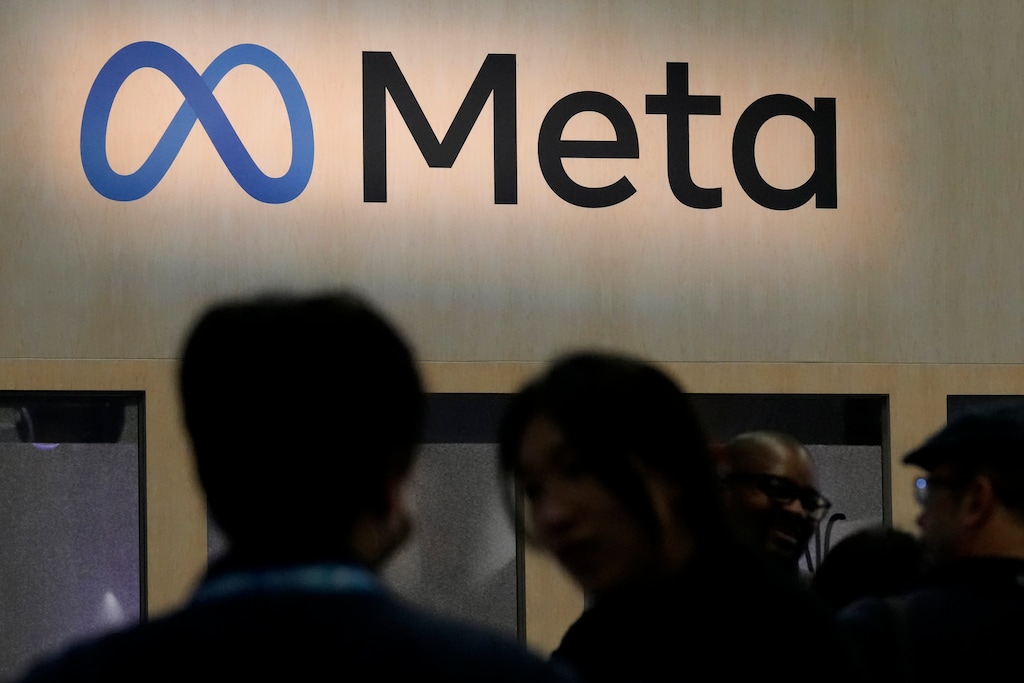
Utah officials are celebrating a settlement between Meta, the parent company of Facebook and Instagram, and dozens of states over allegations that the social media giant’s apps are addictive and led to mental health problems in young people.
The $12.2 billion settlement — which state officials said still needs to be approved by the court — resolves claims brought by 46 states and several territories that claimed Meta “designed Instagram with addictive features, knowingly exposed young users to serious mental-health harms, and misled the public about the safety of its platforms,” the governor’s office said in a news release Wednesday morning.
Utah is expected to receive $212 million of the massive 11-figure sum in $20 million increments over the next decade. The settlement also requires Meta to implement new safety features for young social media users.
There’s a chance for states to receive more money if other social media platforms make changes.
“These unprecedented reforms will help protect millions of children, and they make clear that Meta could have chosen to implement these changes and protect children all along,” Cox said in a statement. “We will hold Meta to every promise it has made, and we will continue fighting to ensure every platform puts the well-being of children ahead of profit.”
Utah Department of Commerce Commissioner Margaret Wooley Busse — whose agency, represented by the state attorney general’s office, joined the multi-state lawsuit in 2023 — said, “Today’s landmark settlement holds Meta accountable for the incalculable harm their platforms have inflicted on our kids.”
“We will vigilantly enforce these reforms to create a safer online environment for Utah’s teens and kids,” she added.
New safety restrictions
Attorney General Derek Brown said Meta will have to “put kids’ safety ahead of its business model.”
“After negotiations with Meta, we secured a settlement that delivers consequential and enforceable changes,” Brown said in a statement. “This gives Utah families a leg up in protecting their kids from harmful content and compulsive habits with Instagram and Facebook. We will continue to use all legal tools available to us to protect kids online.”
In a statement posted to its website Wednesday morning, Meta said it’s “an absolute imperative” that “teens have a safe and productive experience on our platforms.
“We want to get this right for parents and teens, and that’s why we partnered with state attorneys general to set a new industry standard.”
The social media giant said it plans to add several new features to protect teens and give parents more control of their kids’ accounts:
- A two-hour time limit across Facebook and Instagram combined that teens can only turn off with a parent’s permission.
- Night mode that blocks Facebook and Instagram access between midnight and 6 a.m.
- School mode that mutes notifications between 8 a.m. and 3 p.m. but allows direct messages and alerts about account security or safety.
- Regular prompts after 15 minutes of continuous screen time and prompts at an hour and 90 minutes of total time.
- The option to choose a non-algorithmic feed — one that isn’t personalized. Multiple studies have found the algorithm contributes to a feedback loop that accelerates social media addiction.
- The ability to turn off autoplay.
- Hidden likes on both their own and others’ posts.
- Blocking extreme makeup filters. The apps already block teens from using cosmetic surgery filters.
Direct messaging, Meta said, won’t be included in the two-hour limit or overnight and school restrictions so teens can communicate with friends and family.
Meta will also strengthen certain protections it already has in place, like age-assurance technology, age-appropriate content restrictions, efforts to prevent suspicious adults from interacting with teens and ways for teens to easily report concerning content.
All of these improvements are subject to judicial approval in Utah and the other participating states. They’ll remain in place for 10 years if approved.
‘Work with our peers’
Meta called on TikTok and YouTube to put similar restrictions in place because “we know that when teens are restricted on one app, they simply move to another.”
Utah leaders said states could receive up to $17.1 billion if social media platforms Snap, TikTok and YouTube “agree to substantially similar injunctive terms as Meta,” which would result in Utah receiving up to around $300 million in total.
“We want to ensure teens benefit from this new industry standard, but we cannot do it alone,” Meta wrote in a letter to the other social media platforms. “These protections will only be truly effective if we work with our peers — TikTok and YouTube — to put the same measures in place.”