 Carmen Nesbitt
The ongoing national outbreak of a parasite that causes “watery diarrhea” has not yet spread to Utah.
That’s despite a U.S. Centers for Disease Control and Prevention map that indicates the “number of sick people” in the state ranges from “1 to 10″ — a nugget of information that has spread widely in Utah social media circles.
That information is missing critical context, though, state health officials say: The cases reflected in the CDC map date back to May 1, and in Utah — since then — there has only been one documented instance of the illness, called cyclosporiasis, and it fell before the current outbreak began spreading.
“A Utah resident, who did not travel, was diagnosed with a Cyclospora infection over a month ago, but there is no connection to the ongoing outbreak,” the Utah Department of Health and Human Services wrote in a news release. “It’s normal for Utah to see cases of this illness beginning in May.”
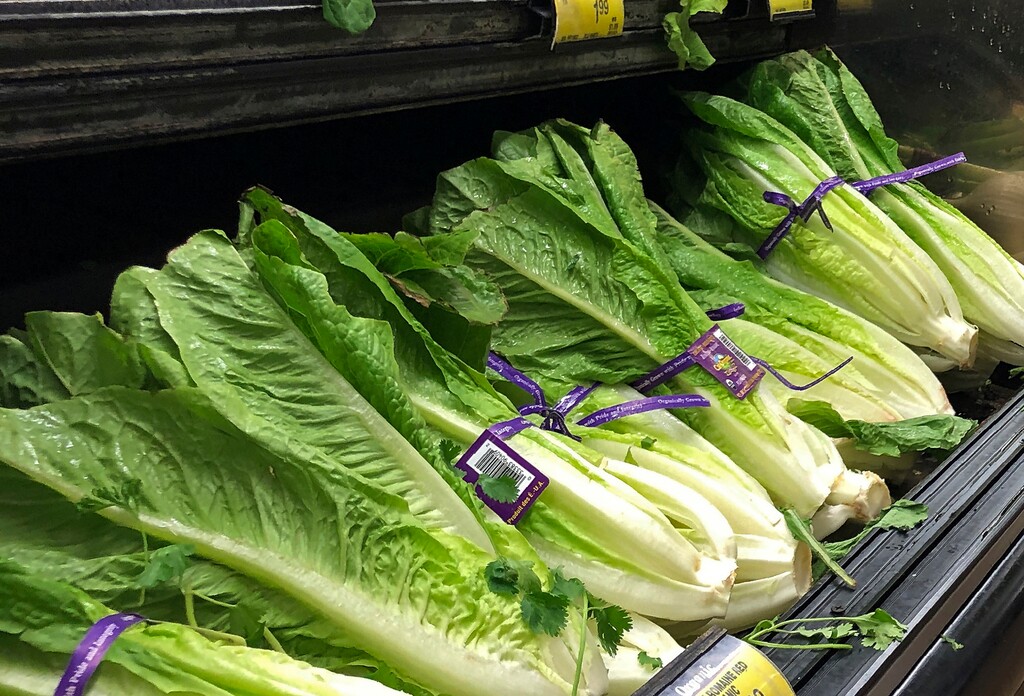
Cyclosporiasis is caused by a microscopic parasite called cyclospora, which can spread to people if they ingest food or water contaminated with feces, according to the CDC. Past cases have been linked to certain types of “imported fresh produce” such as basil, raspberries and leafy greens.
For several weeks now, the U.S. has seen an unusual surge in the illness, with more than 800 cases confirmed across 31 states, according to CDC data. The bulk of the outbreak cases have been reported in Michigan and New York.
State and federal health officials are actively investigating the source of the current outbreak, the CDC’s website states.
Charla Haley, with the state health department, advised Utahns to keep washing fresh produce as they normally would with drinking water.
“If you buy a head of lettuce, make sure you peel a couple of lettuce leaves off and then wash it, so that if there’s some inside the lettuce, you get it clean,” Haley said Monday. “Just make sure you clean your produce really well.”
Cooking produce can help reduce the risk of foodborne illness, too, the state health agency advised.
Cyclosporiasis can take up to a week to show symptoms, according to the CDC. The most common is “watery diarrhea,” but other symptoms include nausea, bloating and cramping.