 Mark Eddington
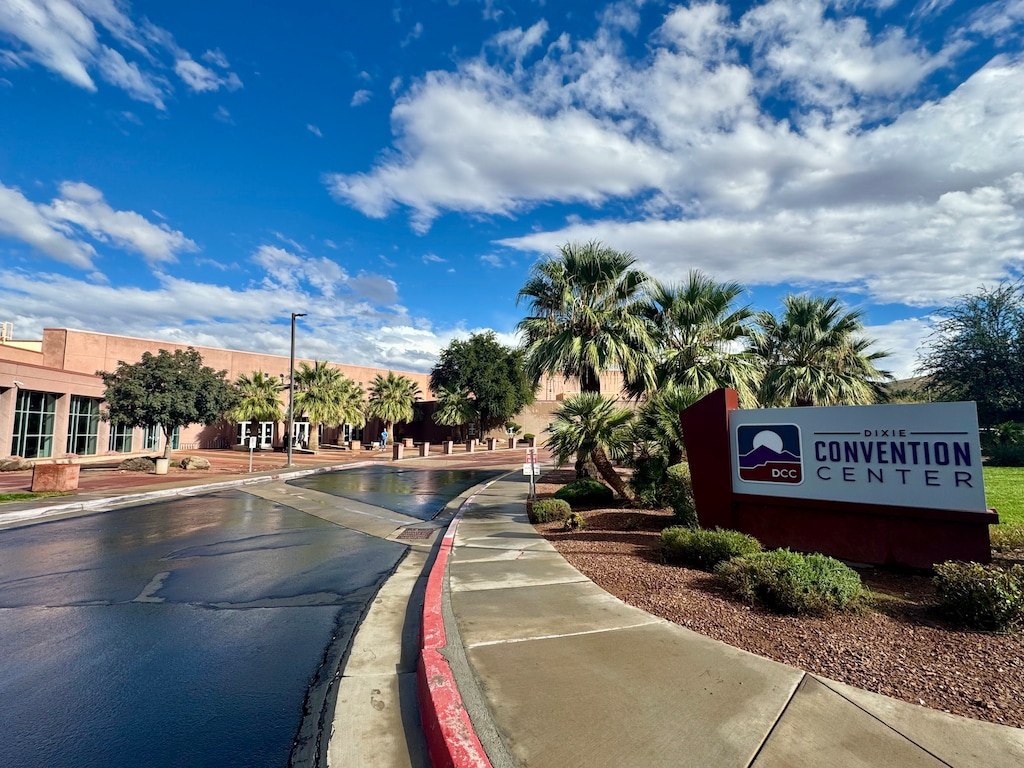
St. George • Tired of turning away millions in tourism dollars, Washington County officials are exploring the feasibility of opening the doors to more and larger convention business.
To accomplish that goal, county officials are seeking proposals from architects to design a possible expansion of the Dixie Convention Center that would add about 117,000 square feet to the existing 170,000-square-foot facility that was constructed in 1998.
“If we were to double the size of the convention center today, staff members at the center tell me they could fill it tomorrow,” Washington County Commissioner Adam Snow said. “We are currently having to turn away too many events, and we don’t want to keep doing that.”
Overbooked and undersized
Jared Stephenson, the center’s director, said the facility can currently host only one major conference or event at a time and needs additional space to accommodate more.
“We are at capacity,” Stephenson said. “We just can’t facilitate a lot of events we have had in the past because of the increased demand and [lack of] space.”
While the expansion plans are not set in cement, county leaders say they envision a larger facility with additional meeting and breakout rooms, more flexible space and, possibly, a small ballroom. The addition would likely feature two stories tacked on the south end of the existing center in an area now used primarily for truck drop-offs, according to Snow.
Snow estimates the price tag for the expansion could be $30 million, roughly $6 million more than the average annual sum the county has amassed over the past decade in tourism-related revenue, including transient room taxes, to pay for the project. The county’s annual take in the lodging tax, officials say, is roughly $17 million.
Tapping tourists, not taxpayers
County Commissioner Gil Almquist said bonding or tapping taxpayers for additional dollars to pay for the project is not under consideration. Instead, he added, if the cost of the expansion outstrips the available funds, the expansion could proceed in phases to hold spending in check rather than complete the work all at once.
No firm start date has been set for construction. According to Snow and Almquist, the winning bid’s final design and cost estimate will determine the project’s scope and timeline. County officials note that convention centers rarely turn a profit, functioning instead as loss leaders to drive local business.
“The amazing thing about the Dixie Center is that … we have been actually turning a profit, but we are also at the same time turning away people,” Almquist said.
Last year, the center achieved a major milestone by turning a profit of just over $70,000—its first in 20 years, according to county officials. Stephenson noted that the facility hosts roughly 160 events annually, including major draws like the Huntsman World Senior Games and the Dickens Festival, attracting between 140,000 and 150,000 visitors each year.
Stephenson estimated the venue generates about $30 million in annual regional economic impact, including spending at hotels, restaurants and rental-car businesses. With nearly double the usable space, projections based on lost business and event leads suggest the impact could reach $40 million to $60 million, he said.
Architects have until Oct. 30 to submit their proposals.