 Jessica Schreifels
A judge has ruled that cameras will stay rolling during court hearings for Tyler Robinson, the Utah man accused of fatally shooting Charlie Kirk.
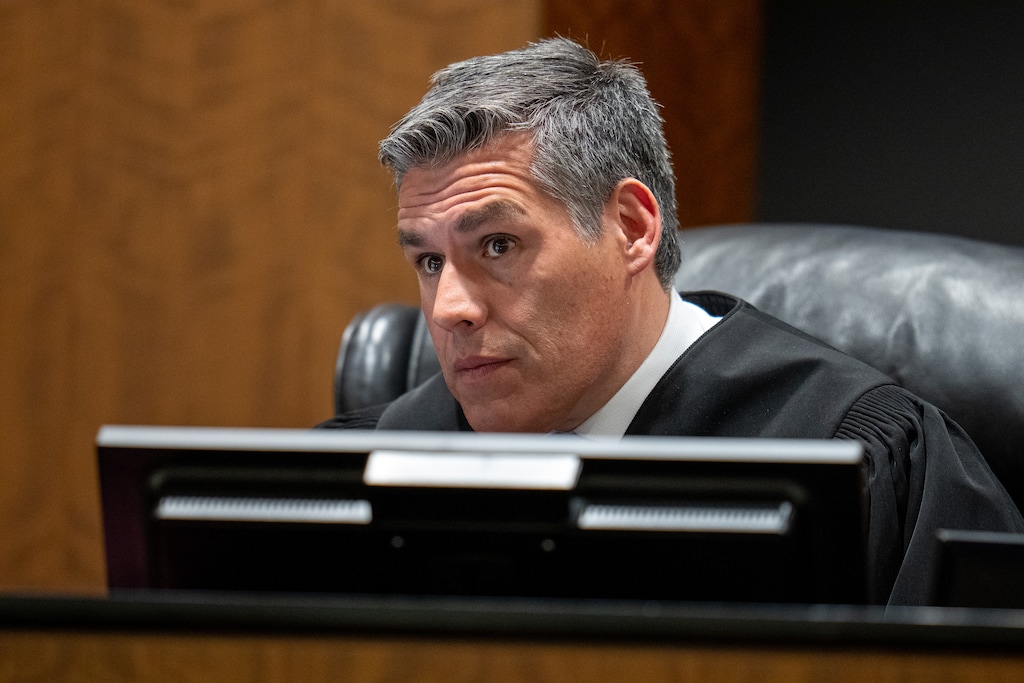
Fourth District Court Judge Tony Graf’s Friday decision came after months of debate, with Robinson’s defense team arguing that cameras should be cut off from his court hearings in an effort to contain the flow of potentially prejudicial information to future jurors.
Lawyers for The Salt Lake Tribune and other media outlets opposed the request. Utah County prosecutors also objected and advocated for transparency, while also arguing that much of the most sensational or incorrect information about Robinson’s case has not been released by the traditional news outlets, which have provided the photographers and videographers in the courtroom so far.
Robinson is facing multiple charges, including aggravated murder, in connection with Kirk’s Sept. 10 death. Prosecutors have indicated they will seek the death penalty if Robinson is convicted.
(Rick Egan | The Salt Lake Tribune) Tyler Robinson a court hearing last December.
In Utah state courts, cameras are presumed to be allowed in courtrooms — though a judge can ban them if he or she finds good reason to. That’s been the standard for more than a decade, and there hasn’t been a Utah criminal case since where cameras have been outright banned from every hearing.
But Robinson’s defense attorneys argued that the amount of media coverage — amplified by cameras in the courtroom — has been extraordinary, and has already shaped public opinion of Robinson, which could jeopardize his right to a fair trial.
A California trial consultant hired by the Robinson’s defense pointed to examples during testimony last month where news commentators gave their opinions, calling Robinson a “monster,” or focused on high-interest details in court records, like text messages the defendant allegedly sent to his roommate after the shooting, rather than what actually happened inside the courtroom that day.
More than seven months into this case, attorneys have argued about media access, whether Utah County prosecutors had a conflict and could stay on the case, and what clothes Robinson can wear in court. Little has been presented yet about the evidence prosecutors say incriminates Robinson.
There was a multi-day preliminary hearing scheduled for Robinson later this month — which would have been the first time testimony about evidence would have been presented public — but Graf on Friday rescheduled that hearing. Now, the hearing is set for early July.