 Jose Davila IV
A massive new U.S. Immigration and Customs Enforcement facility on Salt Lake City’s west side could cause major strain on sewers.
And burden the city’s roads. And stretch the police department. And hit government entities in their wallets.
At least that’s what Mayor Erin Mendenhall outlined in a Tuesday letter to ICE acting director Todd Lyons.
“While we are seeking additional information about the ultimate intended use for this building,” she wrote, “a large-scale detention facility is inappropriate for this location and does not have the support of Salt Lake City officials.”
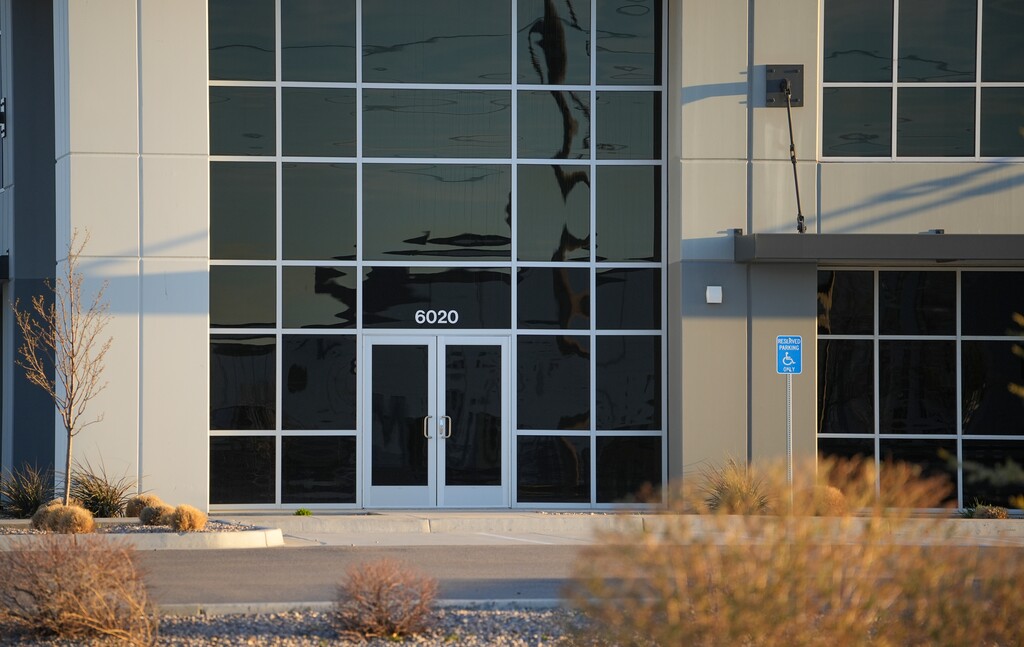
Mendenhall asked Lyons for a meeting on the matter and an explanation of the federal government’s plans for the property it acquired last week at 6020 W. 300 South. She also copied Utah’s all-Republican congressional delegation on her note. She has previously vowed to fight the facility with “every tool at the city’s disposal.”
The federal government, the mayor said, had not reached to Salt Lake City to talk through its plans.
ICE did not immediately reply to questions about the letter.
Last week, the agency confirmed the warehouse purchase and touted supposed economic benefits related to its construction.
“These will be very well-structured detention facilities meeting our regular detention standards,” ICE said in the emailed statement. “Every day, (the Department of Homeland Security) is conducting law enforcement activities across the country to keep Americans safe. It should not come as news that ICE will be making arrests in states across the U.S. and is actively working to expand detention space.”
Mayor’s misgivings
In her letter, Mendenhall laid out how the facility might hurt Salt Lake City, saying it could:
• Overwhelm the community’s sewer system and force upgrades.
• Strain roads in the warehouse district and impact the activities of the railroads nearby.
• Chill economic development in the area.
• Reduce tax revenues for a host of local taxing entities because federal property is exempt from such payments.
• Stretch the city’s police, fire and emergency medical services, which she says are already at maximum capacity.
Mendenhall’s concerns largely stem from the building’s setup as a warehouse for goods and its location far away from other large residential properties.
The area’s sewer system was not developed for such 24/7 use and the detention facility could cause downstream effects, she said. If the building hosted ICE detainees, the city might have to make significant upgrades to its system.
As for police and fire, Mendenhall wrote that the city could not divert public safety resources away from neighborhoods and businesses to the facility. Therefore, she said, it was “imperative” that the federal government share its plans for keeping it safe.
U.S. Sen. John Curtis recalled his time as Provo’s mayor in an emailed statement, saying that zoning and strategic planning are important to cities. He called for more local involvement in preparations for the detention facility.
“The decision to move forward with this facility via back-door negotiations — bypassing input from local leaders — is shortsighted and likely counterproductive,” he said, “to supporting the strategic growth and long-term infrastructure plans of Salt Lake City’s west side.”
No other Utah congressional representatives immediately replied to questions about the letter.