 Tamarra Kemsley
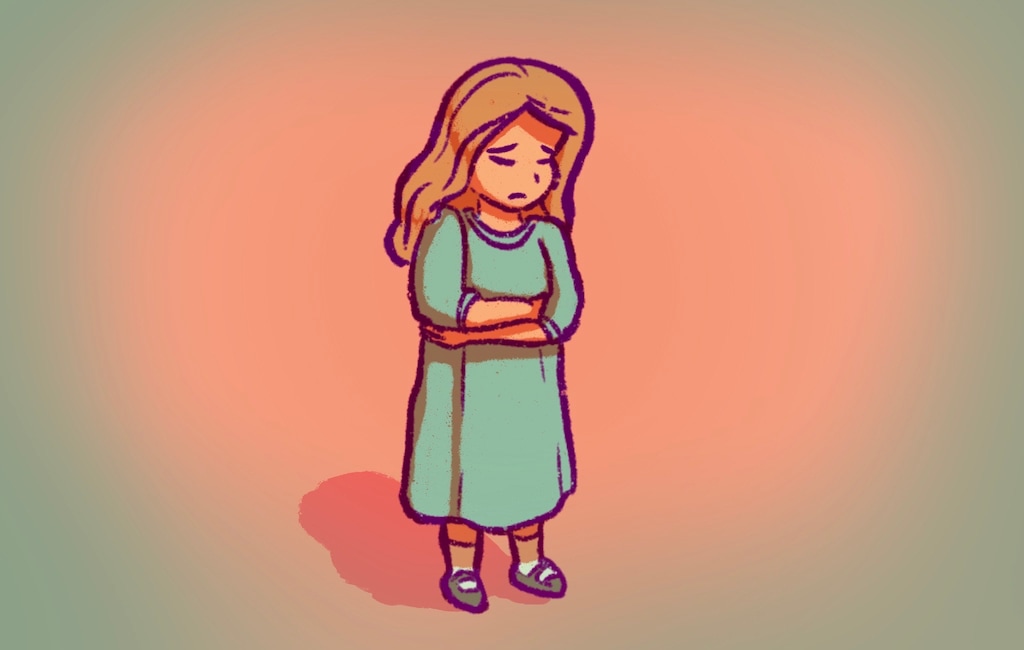
“I’m 5. My uncle came to our home and kept tickling me. But I wanted him to stop.”
So begins a social media post about “body safety” published Wednesday by The Friend, the monthly magazine and website for children by The Church of Jesus Christ of Latter-day Saints.
The slides are brightly colored and brief, a shortened version of a September 2025 Friend article titled “5 Things to Remember About Body Safety.”
They encourage readers to:
• Say no to unwanted touching, “even to an adult.” “You decide if someone can touch you, hug you or kiss you,” it explains. “Practice saying ‘no.’”
• Understand the difference between “safe” and “unsafe” touching. The latter, it explains, “hurts your body or feelings or makes you uncomfortable.”
• Tell a “trusted adult” if others ever touch “your private parts or ask you to touch theirs,” even if they ask to keep it secret.
• Know that unwanted touching is “not your fault.”
(Screenshot) Instagram page for the church's Friend magazine teaches children about unwanted touching.
The 2025 article goes into more depth in the difference between a secret, which it explains can be harmful, and a surprise, such as an unwrapped gift.
“Your body is a gift from Heavenly Father,” it reads. “He wants to help you be safe and happy. If someone tries to harm you with words or actions, that’s not OK!”
Jessica Black, a Bountiful-based counselor who specializes in treating survivors of childhood sexual abuse, applauded the information, which she described as “basic” but effective.
(Jessica Black) Jessica Black, a Bountiful-based counselor who specializes in treating survivors of childhood sexual abuse, gives the church's resource high marks.
“When I work with little kids,” Black said, “these are the exact conversations that I have with them.”
If she has one critique, it is in the assumption that children reading it will understand the meaning of “private parts.”
“I would add something like, ‘Talk to your parents about what private parts are,’” Black said, explaining that she encourages parents to use “doctor names” for body parts to avoid confusing kids.
Black said it’s also never too early to start talking to kids about online safety, “especially when we’re talking about secrets.”
All too often, she said, a child will be playing a game like Minecraft when “someone starts chatting with them and saying things.”
(Illustration by Christopher Cherrington | The Salt Lake Tribune) Jessica Black, a counselor who specializes in helping survivors of child sexual abuse, said it's never too early to talk to their kids about online threats.
If a child reports to an adult an inappropriate encounter, be it online or off, Black said, it’s important for that person to take the information seriously.
Follow-up questions, she said, could include, “How did that make you feel?” and “Is there anything else to add?”
Black stressed, however, that it’s not the grown-up’s job to be an investigator.
“When kids disclose things, we always say, ‘Thank you for telling me,’” she said. “That is the number one thing I tell parents. Thank them, believe them and then call the Department of Child and Family Services or the police.”