 Peggy Fletcher Stack
 David Noyce
Of the major Western religious traditions in the United States, only The Church of Jesus Christ of Latter-day Saints retains the service-until-death policy for its top leader.
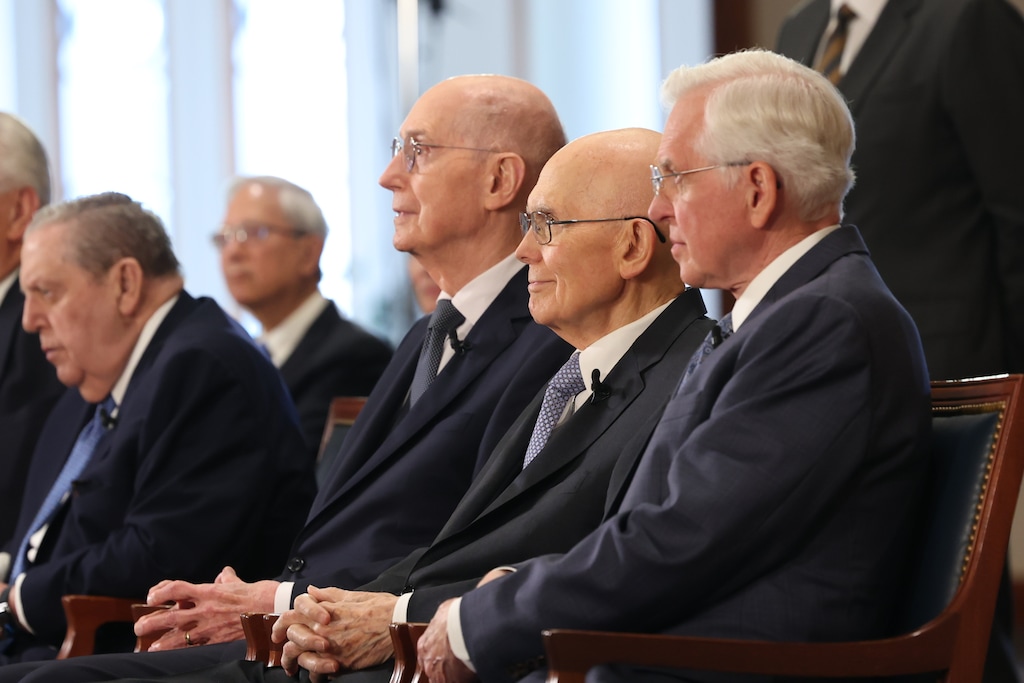
Last week, Dallin H. Oaks, at age 93, became the 18th prophet-president of the faith, succeeding Russell M. Nelson, who died Sept. 27 at 101. Unlike a leader in any other American-based faith, Oaks will be expected to serve until the end of his life — as Nelson and 16 others did before him.
Oaks’ first counselor in the governing First Presidency, Henry B. Eyring, is 92. D. Todd Christofferson, his second counselor, is 80, one of four apostles in their 80s. Does this collective “gerontocracy” give rise to a stagnant, intractable, out-of-touch leadership? Would switching to a system that brings younger blood into the leadership invigorate the global faith of 17.5 million?
Historian Gregory Prince, who studied and written about these issues, discusses these, frankly, age-old questions — including how leadership succession has evolved throughout Latter-day Saint history, the advantages and disadvantages or having aging church leaders, and the prospect of apostles and First Presidency members someday being granted emeritus status rather than serving until they die.
Listen to the podcast:
Hired in 1991 to cover Utah's various faiths, particularly Mormonism, Peggy has talked forgiveness with Archbishop Desmond Tutu, nearly fainted waiting for the Dalai Lama, fasted with Muslims during Ramadan — and has reported on 50 consecutive semiannual LDS General Conferences.
David is a managing editor at The Tribune, where he has worked since 1984. He oversees coverage ranging from local government and west-side issues to growth, development and housing. In addition, he directs religion reporting, co-hosts the award-winning “Mormon Land” podcast and writes the Mormon Land newsletter.