Emilee Swensen’s experience navigating a mental health crisis is far too common (“Finding mental health support shouldn’t be a crisis,” The Tribune). As the executive director of the National Alliance on Mental Illness Utah (NAMI Utah), I want to offer Emilee, her family and all Utahns a message of hope.
Emilee should be applauded for discussing her mental health publicly. Her story helps break down stigma. She was discharged from a facility in Arizona after just eight hours, with very little follow-up care and overwhelming concerns about the cost of treatment.
Utah has made a significant investment in our behavioral health crisis response system and community mental health services. Our legislators should be commended for their commitment to ensuring that Utahns have access to care. However, continued investment is necessary to meet the needs of people like Emilee.
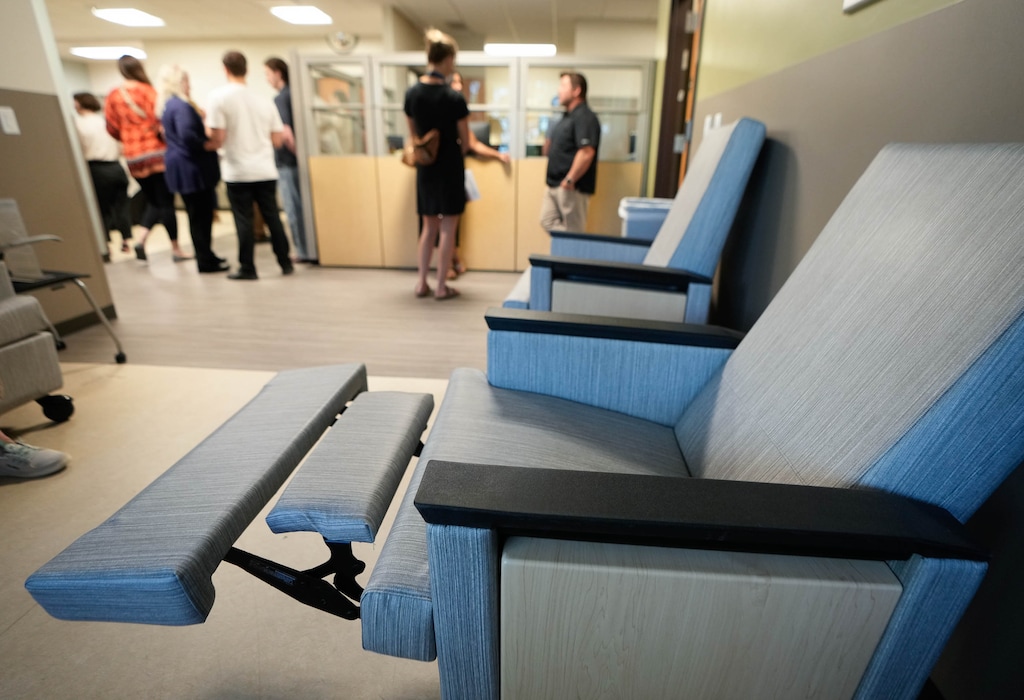
Since its creation in 2024, Utah’s Behavioral Health Commission has prioritized additional crisis response funding. This year the commission recommends funding for two new rural crisis receiving centers and one additional mobile crisis outreach team. These investments would help ensure that people like Emilee don’t fall through the cracks.
Our state faces a shortage of mental health care professionals, but peer-led help is available right now. NAMI Utah offers a number of free, easily-accessible, evidence-based mental health resources. Our mental health education classes and support groups are led by people with lived experience in managing their own mental health challenges or in supporting a loved one struggling with mental illness. We also offer suicide prevention trainings, a help line, and advocacy tools.
I invite you to join us in our work with state legislators to make certain mental health funding remains a top priority. Learn more about our advocacy training on Jan. 16 as well as our free programs at namiut.org, information@namiut.org, or by calling 801.323.9900.
Robin Holcomb, Salt Lake City