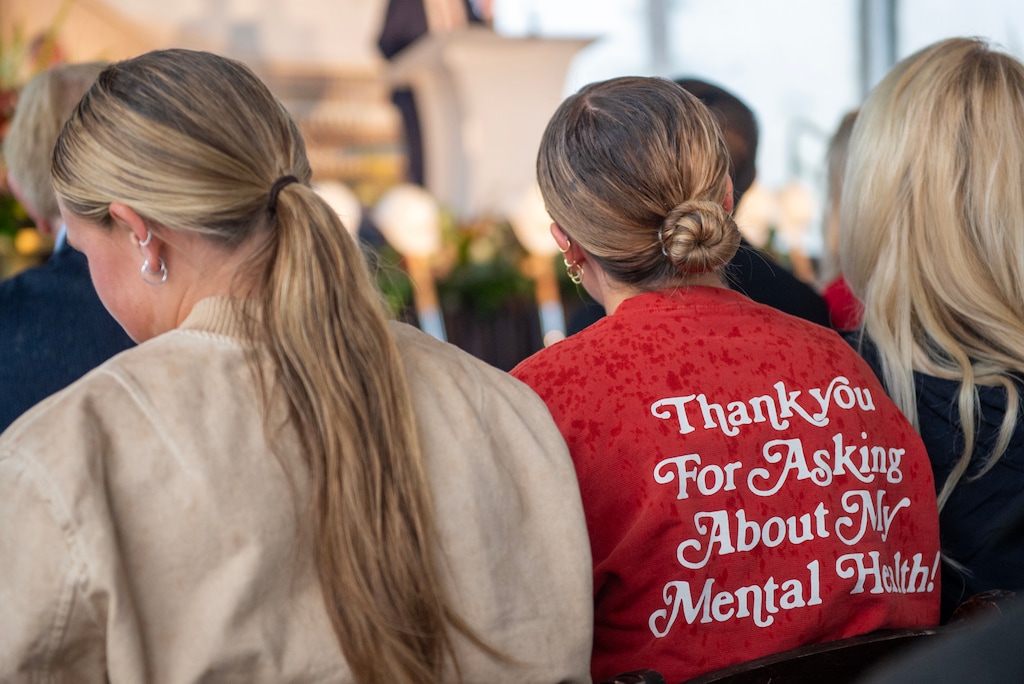
How can Utah be a leading state for adolescent residential and outpatient treatment while so many of Utah’s youth continue to go without necessary mental health, behavioral health and substance use treatment?
According to Tyler and Tyler (2025), approximately 90,000 Utah children and adolescents ages 9-17 need treatment for substance use or mental health, yet about 60% of these children and adolescents are not receiving these treatment services. The statistics speak for themselves, and it is just heartbreaking, especially for parents and caregivers that are desperate for their children to get the help that they need.
I can attest to the financial barriers that families face. My teenager experiences mental health and substance use challenges while involved with Juvenile Justice and Youth Services (JJYS), it feels as if I have exhausted numerous avenues seeking treatment. Recently, I contacted an outpatient treatment provider and was provided with a cost of $5,000 for a 12-week program after insurance, with payments of about $833.00 a month. Despite having insurance, affordable comprehensive treatment remains out of grasp. It appears that between the financial weight of treatment cost and the limitations of JJYS resources, families are left to navigate a complex system that feels hopeless to access without the adequate financial resources needed to obtain them.
This is not right. These youths are our future. When parents and caregivers seek help, high treatment costs should not stand in their way. Federal and Utah lawmakers need to prioritize expanding insurance coverage for outpatient and residential treatment, therefore reducing high out of pocket costs that families are left with. Another priority for Utah lawmakers is increasing and expanding safety-net funds for mental health, behavioral health and substance use treatment, especially for families who cannot afford the high cost that insurance does not cover.
Kelly Solis, Clearfield