I recently read about a Salt Lake City business owner urging removal of the 400 South bike lanes. She says they are confusing, that it is “unnatural” for drivers to look both ways for pedestrians, bicyclists and cars when reversing into traffic.
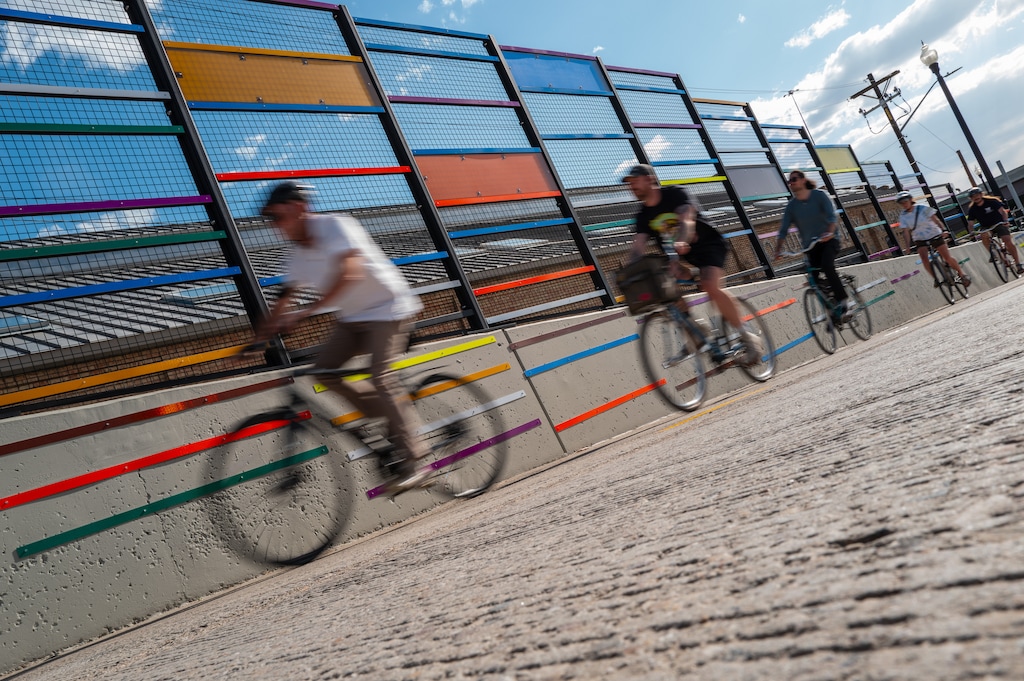
The new bicycle and pedestrian infrastructure is confusing. Every time roads change, it requires extra vigilance of the users, no matter the mode of transportation. As a bicycle commuter, from a family of bicycle commuters, I call these changes improvements. I also use a car. But the more complex the roads become, the more likely I am to ride my bike. I believe car use costs our personal health and our community’s health. In contrast, bikes and walking are forms of transportation that pay us back in personal health and Salt Lake’s overall health.
Most days, I bike to my school in Rose Park, where I teach art. I use protected lanes and the Jordan River Trail. I see the sun rise. I get stopped by trains, peacocks, foxes and, in the afternoons, golfers as I ride the trail through the Rose Park Course. I have a regular bike, which makes for an effortful, usually joyful ride. I feel lucky, and privileged, to be able to do it.
Recently, I was stopped suddenly by the impact of an SUV. I hope my shattered ankle will heal. I was in a designated, flashing light crossing on the 9-Line. The driver admitted that she was looking down as she drove. I feel compassion for her; she was distraught about hitting someone.
When I am healed, I will get back on my bike. People who ride bikes, even when it is cold or hot, and even when it is dangerous, know that biking offers benefits. Yes, streets are confusing, and they’re even more so when they change. We’re asked to renew our attention, make accommodations, and maybe try new ways to get places. Not everyone is able to walk or bike or bus about town, but we all benefit from a variety of options available, and where people can safely use those options.
Megan Hallett, Salt Lake City