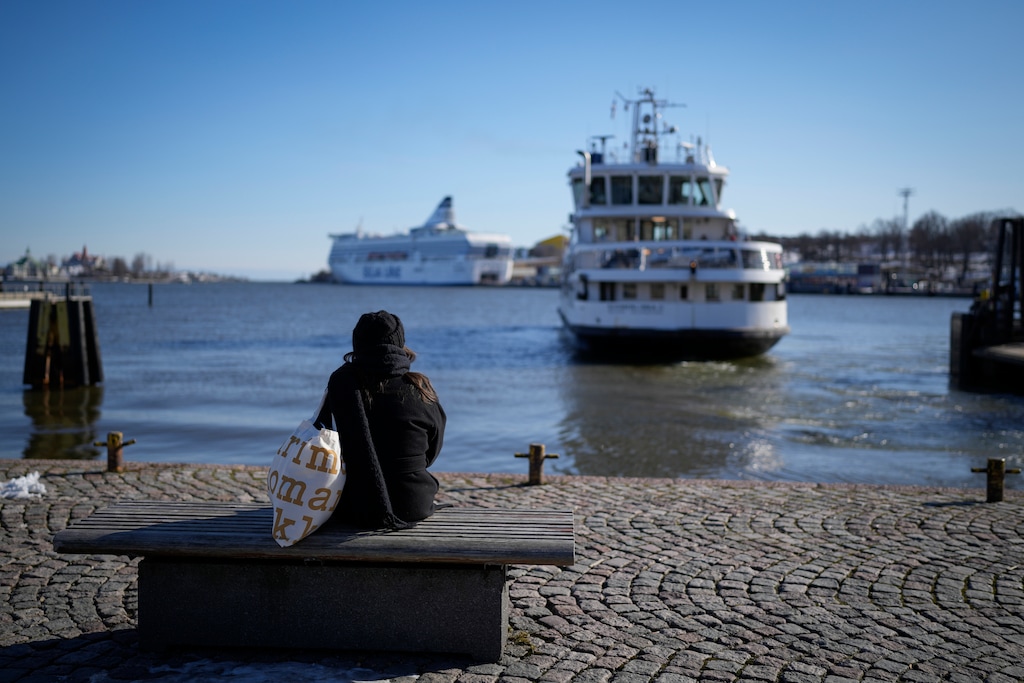
For nine years in a row Finland has been number one on the World Happiness Report. Why? And what can we learn from Finland that might help Americans, as individuals and as a society, be more content in our everyday lives? In the latest ranking the U.S. ranks 23rd of almost 150.
Their research points to a mix of individual and societal behaviors that improve contentment for the Finns.
First as individuals: Finns spend a lot of time outdoors, which research shows adds to a feeling of wellbeing. During the stressful time of COVID, many Americans took to the outdoors, not only to avoid COVID but for the enjoyment that it offers. Individual connections — like shared meals, family connections, dependable friends, volunteering and work-life balance — are all part of social lives that the Finns find enriching, and that as individuals, we might improve.
As a society, what might improve contentment? The GDP of a country is closely connected to contentment, but it only goes so far.
In this political year we hear the term socialism often tossed around. People think of the Nordic countries as socialist. They are not, and Finland is not. Finland combines a successful free-market capitalism with a comprehensive social welfare state. Its high tax rate combined with a robust social safety net work because people see the results: Healthcare is similar to Medicare for all, with private options available, and education is free all the way to PhDs.
Contentment is created by the interaction of the individual and society. Finns tend to be happy with what they have, partly because resources are more evenly distributed. Unlike the U.S., their high tax rate and robust social net combine to make their society feel fairer!
David Hart, Torrey