With all the discussion going on about capitalism and socialism, perhaps we should start out defining exactly what they are.
Capitalism, as defined by Merriam-Webster, is “an economic system in which a society’s means of production are held by private individuals or organizations, not the government, and where products, prices, and the distribution of goods are determined mainly by competition in a free market.” Socialism is “any of various egalitarian economic and political theories or movements advocating collective or governmental ownership and administration of the means of production and distribution of goods.”
Using these definitions, the United States’ economic system, historically and presently, is a combination of both, with the degree tilted one way or the other varying depending on what is being attempted, and which political party is in power.
The Republicans tend to shift policy towards helping the wealthy with tax cuts, credits, bailouts (i.e., the “Emergency Economic Stabilization Act of 2008”) and programs supporting them — like pass-through business deductions and capital gains tax loopholes (i.e., the “Big Beautiful Bill”) — and reducing social and healthcare programs to pay for them. The Democrats tend to shift policy to helping American citizens with programs like the New Deal, the GI Bill, Medicare/Medicaid, and the Affordable Care Act and increasing taxes on the wealthy to pay for them.
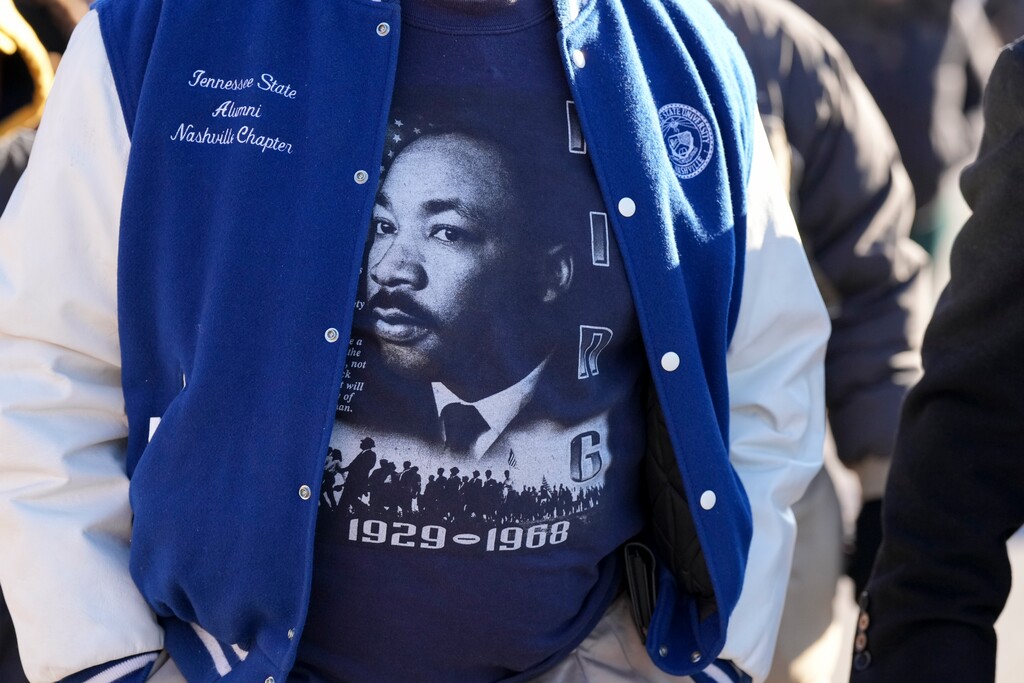
What this boils down to — as currently practiced — is summed up by this phrase: “socialism for the rich and capitalism for the poor,” which has been quoted by leaders such as Martin Luther King, Jr., Gore Vidal, Robert F. Kennedy and Noam Chomsky, but likely originated with American economist Henry George in 1891, and aptly describes our economic system.
Daniel Herbert-Voss, White City