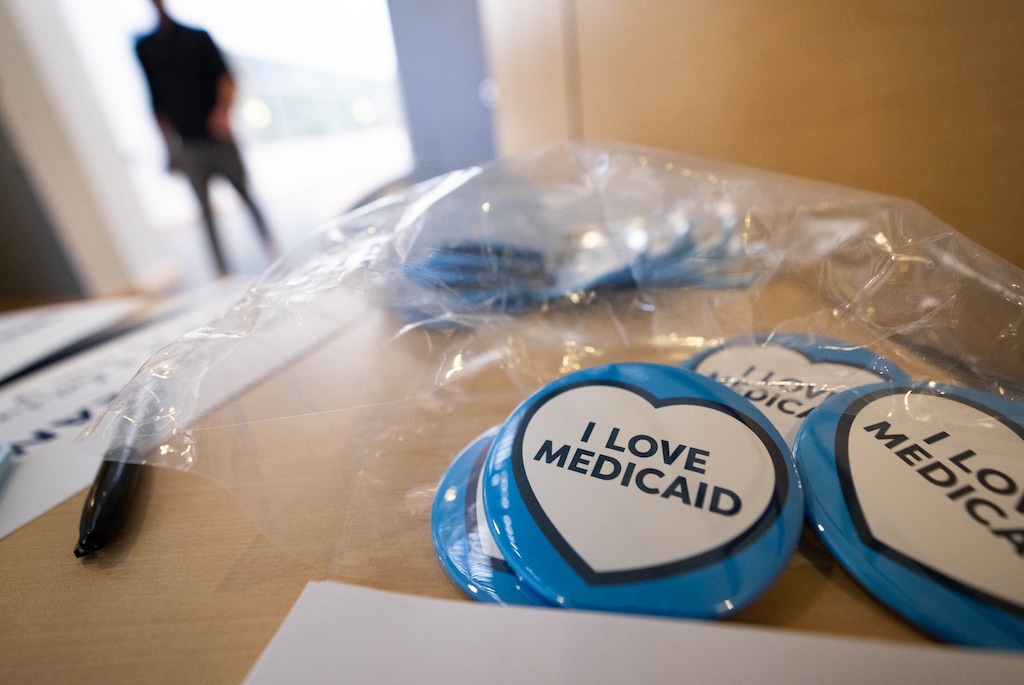
This year, the Utah legislative auditor general reported that Utah had the highest estimated rate of any mental illness in the United States. Utah also continues to have one of the highest suicide rates in the nation. Utah is facing a serious mental health crisis. But financial barriers and cultural factors can make asking for help difficult, and finding an in-network provider can be even harder, especially for Utahns who rely on Medicaid.
A proposed budget cut would reduce Medicaid reimbursement rates by 38% for five key categories of behavioral health providers: clinical social workers, psychologists, marriage and family therapists, residential treatment facilities, and alcohol and drug treatment centers.
Reducing reimbursement for these providers risks making care even less accessible to people who already face significant financial barriers to treatment.
The Utah Behavioral Health Commission has identified inadequate compensation as the top barrier facing Utah’s behavioral health workforce. Providers are already leaving public systems for private practice and self-pay models, further limiting access for those who cannot afford out-of-pocket costs. A 38% cut would only make this problem worse.
We cannot acknowledge a growing mental health crisis while simultaneously making it harder for people to access treatment. If we want Utahns to seek help before they reach a crisis, we need to make that help easier to access, not harder.
Asking for help is hard enough. Don’t let Utah make it even harder.
Krista Kirkham, Cottonwood Heights