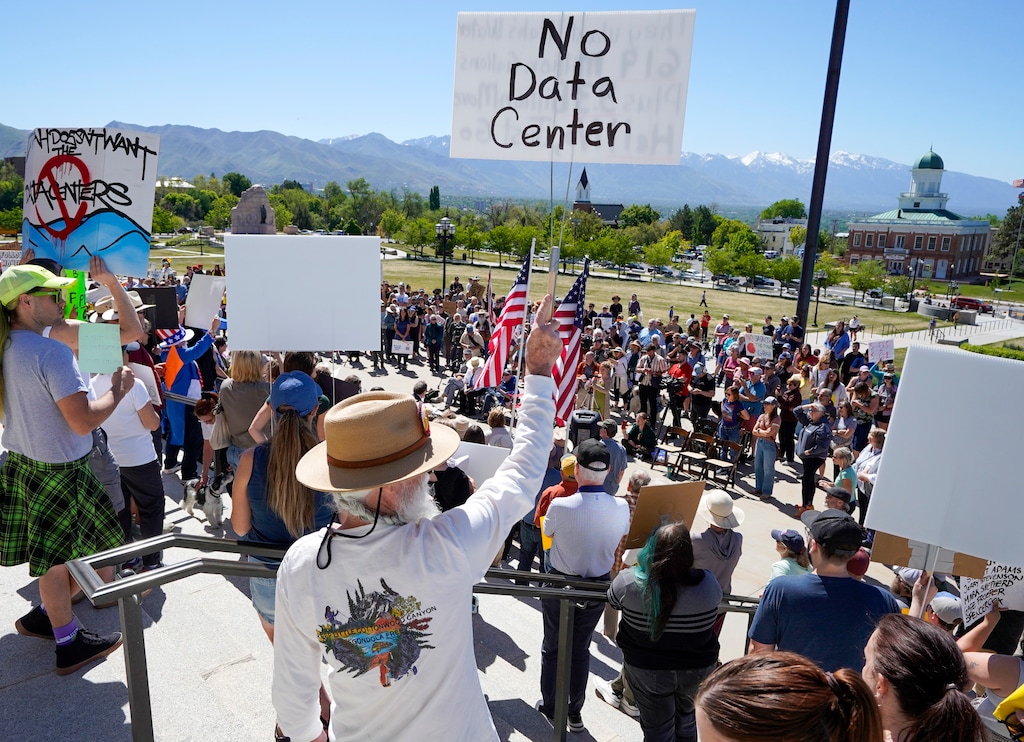
As the U.S. advances in artificial intelligence, local communities must confront what this progress means at home. Utah’s recent debate over the proposed Stratos data center in Box Elder County highlights the growing concerns between technological innovation and the conservation of resources.
Spanning roughly 40,000 acres, this project represents sufficient economic opportunities, including job creation and investment. However, this project also raises significant concerns regarding energy and water usage, potentially requiring billions of gallons annually in a state already facing drought conditions. These concerns should not be simply dismissed. While AI infrastructure is critical to the nation’s future, progress should not have to come at the expense of local resources.
Moving forward, the focus must be on transparency and efficiency. Communities deserve clear facts about environmental impacts before major projects are approved, while developers must invest in solutions that reduce water and energy consumption.
Utah has long balanced growth with resource stewardship. Innovation and community well-being do not have to be in conflict, but ensuring they align requires thoughtful planning and open communication.
Maddie Sullivan, Salt Lake City