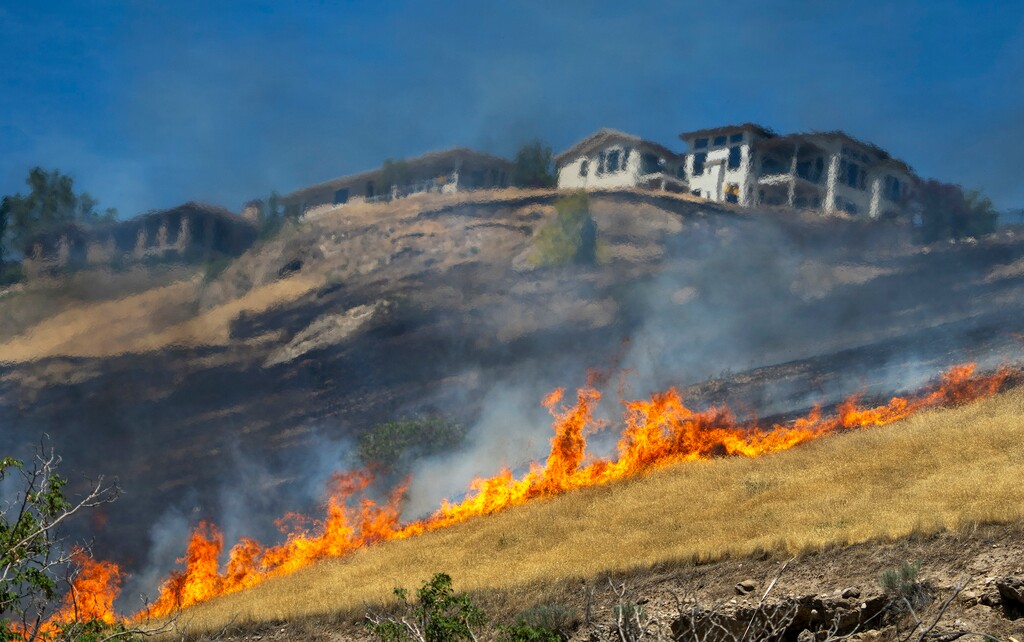
As I cleaned fresh wildfire ash off my porch table recently, I found myself wondering what was driving the wave of wildfires sweeping across Utah.
A century of fire suppression has certainly left our forests more vulnerable, but this year’s extreme drought is the most immediate culprit. I was surprised to learn that a 2024 study found that 61% of the Western U.S. drought from 2020 to 2022 was caused by rising temperatures, while only 39% could be attributed to decreased precipitation.
Utah is experiencing the consequences of this overheating. The state’s average temperature in 2025 was the highest ever recorded, and Salt Lake City’s 109 degree temperature on July 12 set an all-time record. These conditions have created a landscape primed to burn.
The scientific evidence is clear that the record temperatures fueling these droughts and wildfires are driven primarily by the burning of fossil fuels. We also realize that federal policy is essential if we are to limit this overheating.
One practical step Congress can take is passing bipartisan permitting reform to speed up construction of new electrical transmission lines and clean energy projects. Today, obtaining permits for this critical infrastructure can take eight to ten years. Modernizing the permitting process while maintaining strong environmental protections will help bring affordable, reliable clean energy online more quickly.
On July 28, more than 800 Citizens’ Climate Lobby volunteers — including 15 from Utah — will meet with members of Congress in Washington, D.C., to advocate for policies that reduce climate pollution and reform our permitting process.
You can strengthen this effort by calling your members of Congress on July 27. Ask them to support bipartisan permitting reform. A simple phone call, multiplied thousands of times across the country, can help protect our forests, improve our air quality, and make a difference for our communities.
David Folland, Sandy