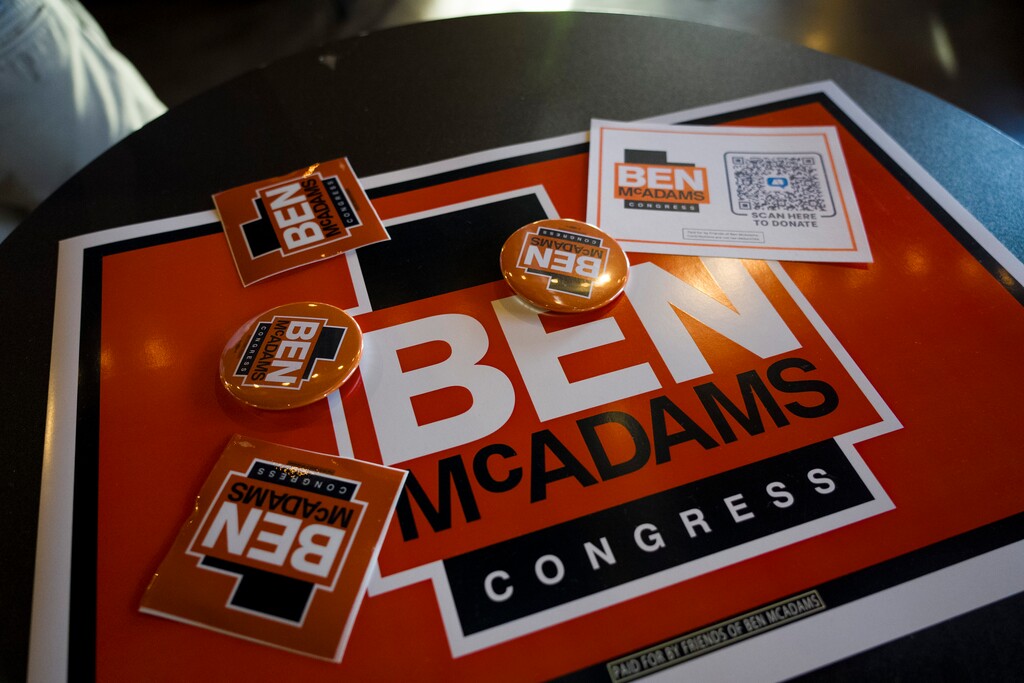
Ben McAdams’ campaign for the Democratic Party nomination for Utah’s new congressional District 1 raised nearly $2 million, with outside groups spending an additional $2.7 million to support him. $4.7 million for a congressional primary is outrageous. This money was spent because McAdams had to overtake local organizers and activists. It looks like buying the vote. That money should have gone towards basic needs of Utah constituents (health, education, housing, etc.).
It is past time for campaign finance reform (CFR). The candidates themselves should adopt voluntary CFR standards. Big dollar donations corrupt the system, creating an obvious conflict-of-interest situation where the candidates “owe” allegiance to their donors in an endless loop of money grubbing. Campaigns keep getting more expensive, and the cycle just repeats ($11.6 billion in advertising spending is projected for the 2026 midterms).
Many people feel CFR is hopeless in the wake of the disastrous Citizens United v. FEC ruling by the U.S. Supreme Court in 2010, which held that certain campaign expenditures are protected “speech” under the First Amendment.
Nonetheless, solid majorities of voters want big money out of politics now. An Ipsos poll (1/29) found 77% say money in politics poses a threat to elections. Polls by the Brennan Center for Justice (6/2), Politico (5/9), and YouGov (10/28/2025) found similar results among overwhelming majorities of voters — Republicans and Democrats.
On the federal level, there are at least six separate bills pending addressing CFR. At the state level, Hawaii, Montana and New York are experimenting with banning corporate donations or providing public matching funds for small donors in elections.
There are viable CFR alternatives, the most obvious of which is to ask the candidates to adhere to voluntary spending limits. Let’s clean up politics and get back to the original meaning of “one person, one vote.”
Gail Boling, president, 71 Percent Coalition, Sandy