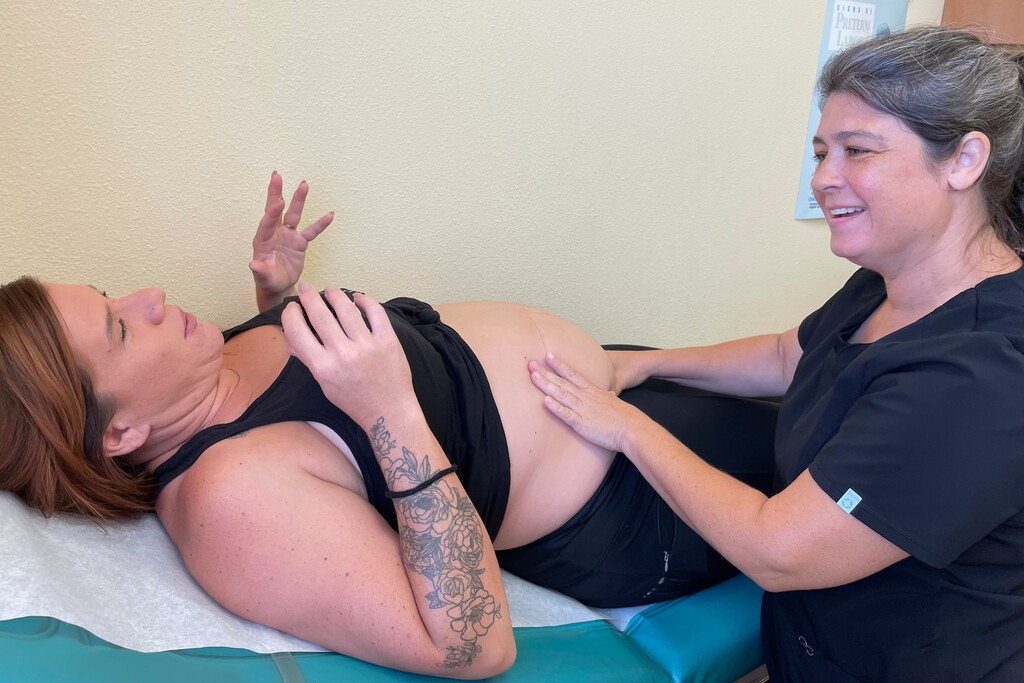
No woman should lose her life because she chose to become a mother. Yet the United States continues to have one of the highest maternal mortality rates among high-income countries, despite spending more on healthcare than any other nation.
What is especially troubling is that most pregnancy-related deaths are considered preventable. Black and Native American women are significantly more likely to die from pregnancy-related causes than white women, regardless of income or education level. These disparities point to larger systemic issues, including unequal access to quality prenatal and postpartum care, gaps in health insurance coverage, provider shortages and bias within the healthcare system.
Although Utah is often recognized as a family-friendly state, many women, particularly those living in rural communities, still face barriers to accessing maternal health services. Long travel distances to obstetric providers, shortages of maternity care professionals and limited postpartum support can place mothers and infants at greater risk. The impact of maternal mortality extends far beyond the loss of a mother. Families experience emotional trauma, financial hardship and disruptions in caregiving that can affect children for years to come.
Addressing this issue is not only a healthcare concern but also a matter of social justice.
Expanding Medicaid coverage for a full year after childbirth, increasing access to doulas and midwives, investing in community-based maternal health programs and improving provider training on implicit bias can help save lives and reduce disparities. Pregnancy and childbirth should not put a woman’s life at risk. Utah policymakers and health care leaders must continue investing in maternal health so that every mother regardless has access to safe, equitable and compassionate care.
Alyssa Wolff, West Jordan