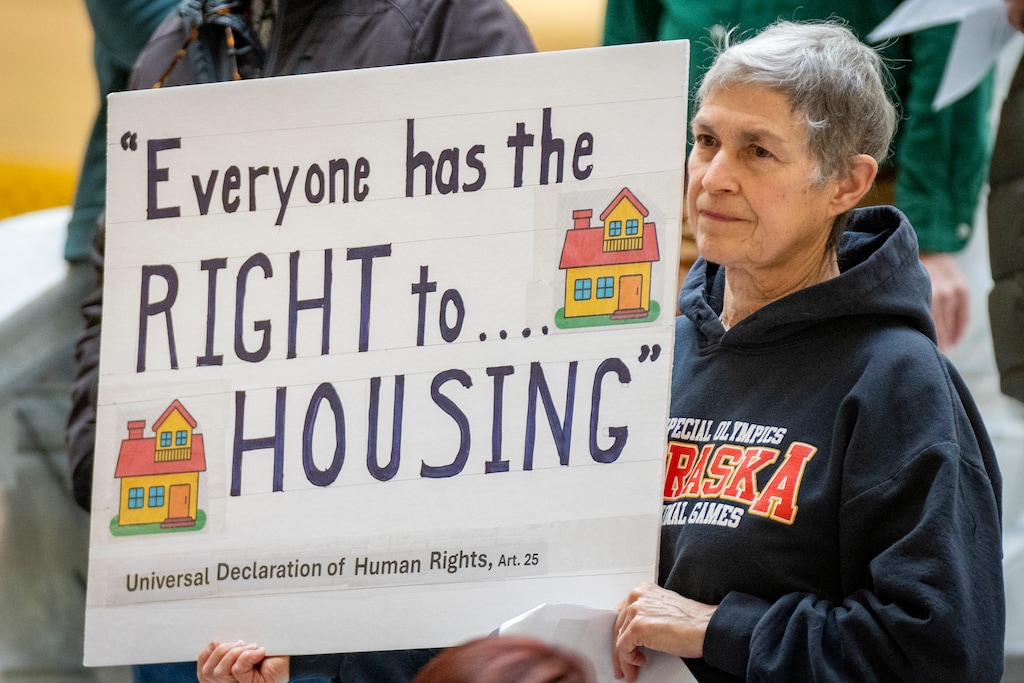
Jillian Olmsted’s recent commentary, “I know Utah’s homeless population — and how we can actually help them,” is a model of rational, compassionate public leadership: a commitment to solutions over scapegoats, and to facts over fear.
She describes the common pathways into homelessness — poverty, illness, disability, trauma and systems that fail people at their most vulnerable — and she names what an effective response requires: housing-first approaches, adequate medical respite capacity and policies that reduce harm rather than deepen it through criminalization. When someone lacks a safe place to sleep, use a restroom, store medications, or recover from illness, “survival behaviors” are often inevitable. Punishing them only entrenches the crisis by adding barriers to housing and employment.
What I appreciate most is her insistence on treating homelessness as the medical and economic emergency it is — through coordinated, evidence-based systems that restore stability and dignity. That is the work of government: to protect public health and safety, steward resources responsibly, and build durable, accountable, humane solutions.
Utah has the means — public, private, and religious — to respond at the scale this crisis demands. If we lack the will to do so, we should ask what that reveals about our civic priorities and our faith commitments. Ms. Olmsted is right: we can do better, and we know how.
John DeVilbiss, Logan