Political polarization in the United States is often treated as a normal feature of our democracy, but its current form is becoming more dangerous.
Some argue that it’s natural and even a healthy feature of democratic debate. However, what appears to be routine bipartisan disagreement has increasingly become identity-based conflict, where political opponents are seen not just as wrong, but as threats to the country and to one another.
Individuals align themselves with other like-minded groups often without meaningful outside discourse, creating a vacuum where ideas can intensify and potentially grow more extreme. This ideological shift mirrors patterns of national and ethnic conflict, where groups define themselves in opposition to one another and compromise becomes nearly impossible.
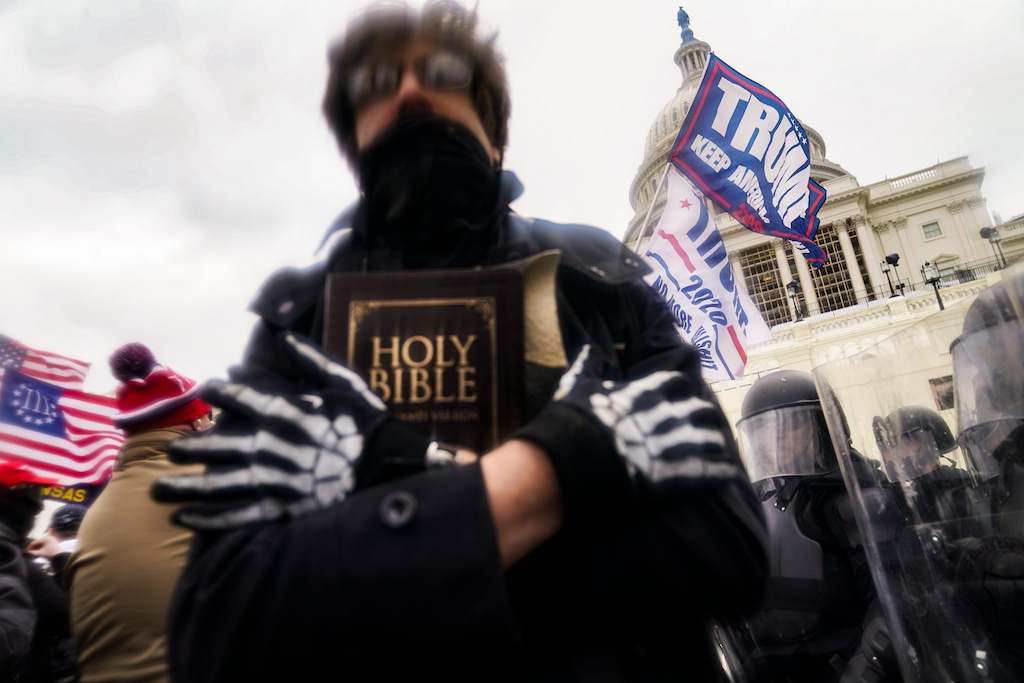
When identity becomes central, compromise is no longer seen as negotiation, but rather as surrender. Jan. 6 showed how like-minded individuals can become so polarized that an election outcome is seen as a threat, prompting action. Although Jan. 6 did not overthrow our government, it remains a consequence of identity overriding institutions and democratic norms.
Online spaces accelerate this process, reinforcing identity and deepening distrust of opposing views. Covid-19 intensified this shift, pushing social interaction online and further strengthening people’s attachment to shared identities and beliefs.
As this deepens, each side begins to view institutions, elections and even basic facts from the opposing sides as illegitimate, reinforcing a cycle of fear and escalation. The consequences, beyond political dysfunction, include a growing internal vulnerability that weakens governance and national cohesion. A state divided along hardened identity lines faces risks that an external adversary necessarily wouldn’t need to create, but simply exploit.
Jayson Martinez, Salt Lake City