Generations of disrespect and confrontations between Native American nations and white Americans have already done far too much damage to both groups.
Conflicts still exist, and always pose a danger of degenerating into violence. The best way to avoid tragedy in the future would be for state and local governments to learn the rules and show proper respect for tribal rights and sovereignty.
Last month, a potentially nasty confrontation between agents of the Ute Indian Tribe of Utah and the Uintah County Sheriff’s Office was successfully de-escalated when Ute Fish and Game officers, flanked by officers from the federal Bureau of Indian Affairs, backed away from a tribal hunting checkpoint at the insistence of sheriff’s deputies, in the company of at least one FBI agent.
It is good that the confrontation ended peacefully, but the Utes should not have been placed in that tense position. It is well within the tribe’s legal rights to be on the lookout for illegal hunters in their territory.
And the checkpoint, near the crossing of Seep Ridge Road with Turkey Track Road, is clearly their territory. The fact that the county built one of the roads in question does not change that fact.
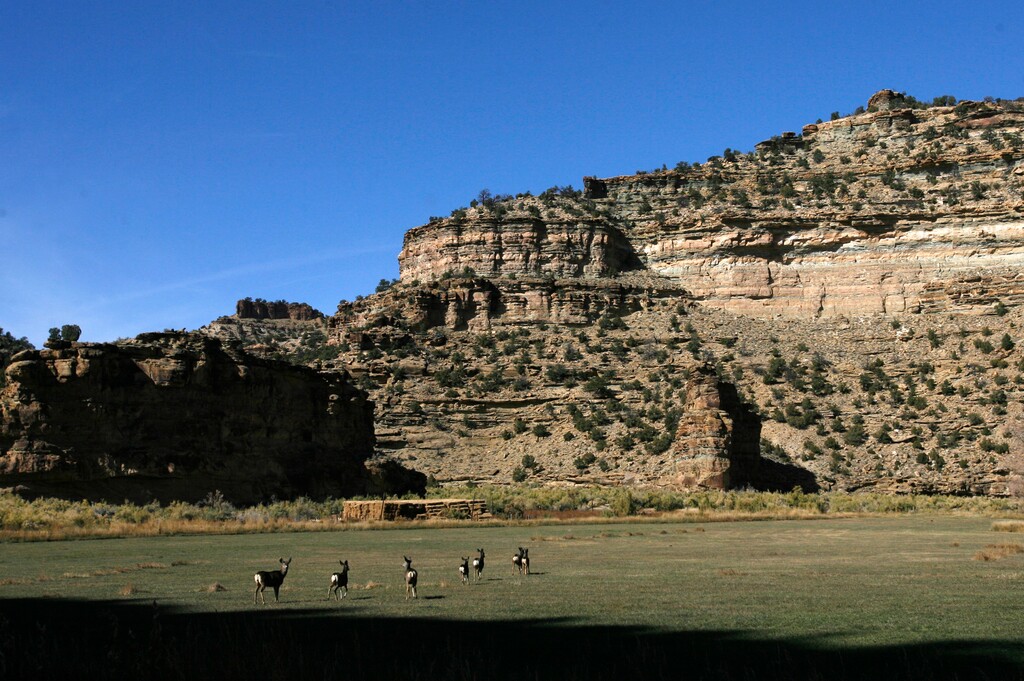
The Utes are rightly concerned, as they have been for years, that non-Utes are illegally hunting on tribal land. Only enrolled Utes are allowed to take game — including some of the most prized bucks around — on the tribe’s 4.5 million-acre Uintah and Ouray Reservation.
The tribe moved more than two years ago to ban nonmembers from hunting there after complaints that some of those interlopers were leaving trash and riding illegal ATVs.
That ban should be respected by local, state and federal officials. The fact that some white guys are offended by the sight of Native Americans asserting their rights — rights consistently upheld by federal courts — does not justify any county sending deputies to shove the Utes, or any other tribe, aside.
Such behavior can only taint the local officials with a suggestion of racism, even if that is not the intent, damaging relations for all involved and making life more difficult than it needs to be.
In a state where Native needs and claims have been so harshly disrespected, particularly in the case of the federal destruction of the Bears Ears National Monument, white officials need to catch up on their reading of history, and the law, and respect tribal rights.
Editorials represent the opinions of The Salt Lake Tribune editorial board, which operates independently from the newsroom.