Any entity that has the power to issue public debt ought to be, well, public.
Its books, agendas and interests ought to be readily available for public inspection and its decision-makers should be considered public officials, preferably elected rather than appointed by, or even being, private interests.
That’s not the way it works in Utah. And that’s a bad idea.
Since 2019, when the Utah Legislature created the beast, bureaucratic creatures called public infrastructure districts, or PIDs, have proliferated like potholes across the state. Some 250 of them have so far issued $5.3 billion in debt and are on track to have borrowed a total of $13.8 billion soon.
The districts are set up to provide infrastructure for residential and commercial developments around the state. Often created by a single developer who owns a sizable chunk of land, the districts go into debt to pay for streets, sidewalks, utilities, etc. As the land is subdivided and sold off, each tract comes with the property tax assessment needed to repay the bond principal and interest over as much as 40 years.
By which time the developer who created the PID is long gone.
The growth of such opaque entities has been massive and rapid enough to draw the attention of Utah State Auditor Tina Cannon and the federal Securities and Exchange Commission, which watches for wrongdoing in the creation and sale of investments.
Cannon and SEC municipal securities director Dave Sanchez cautioned an audience of local officials the other day that so much debt, issued so rapidly by so many districts whose very existence may be unknown to homebuyers, creates significant risk.
Creation of a PID requires a sign-off by the affected city or county government. But once that is done, the district’s personnel, expenditures, debt load and other actions are up to an unelected — and, to most people, unknown — board.
Such a lack of transparency may suit the needs of the developer, but it is risky for the landowners left behind carrying the often substantial debt and for the communities in which they operate. If they turn out to be bad investments for those who purchased the bonds, it can make it more difficult, and expensive, for other PIDs, and other local governments, to borrow for necessary projects.
These districts are local versions of larger operations designed by Utah lawmakers to pay for private developments, on the public dime, with minimal public oversight.
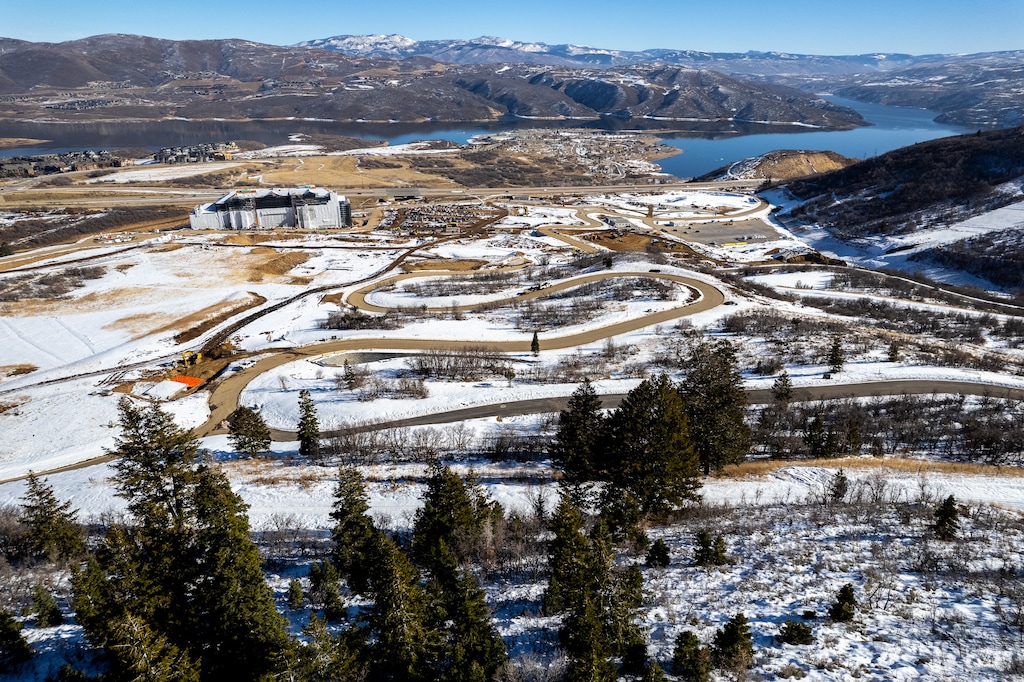
Examples include the state’s Military Installation Development Authority (MIDA) — unknown to most of us until it surfaced as the sponsor of the Stratos mega data center project planned for Box Elder County and the 6,000-acre East Village at Deer Valley Ski Resort — and the controversial Utah Port Authority.
All operate under the authority of unelected boards with minimal public oversight. All have a path to bankrolling large, perhaps unpopular, developments with minimal public input or oversight, oblivious to standard rules for public agency transparency and ripe for graft.
In every case, creation of the independent board was sold as a means of greasing the skids for development. What has never been established is why those skids needed greasing.
Cities and counties, under the supervision of elected councils and professional staff, have the power and the judgment to issue necessary development bonds and keep a watchful eye on the process. While the voters keep a watchful eye on them.
Utah would be better off without any of these monstrosities.
Editorials represent the opinions of The Salt Lake Tribune editorial board, which operates independently from the newsroom.