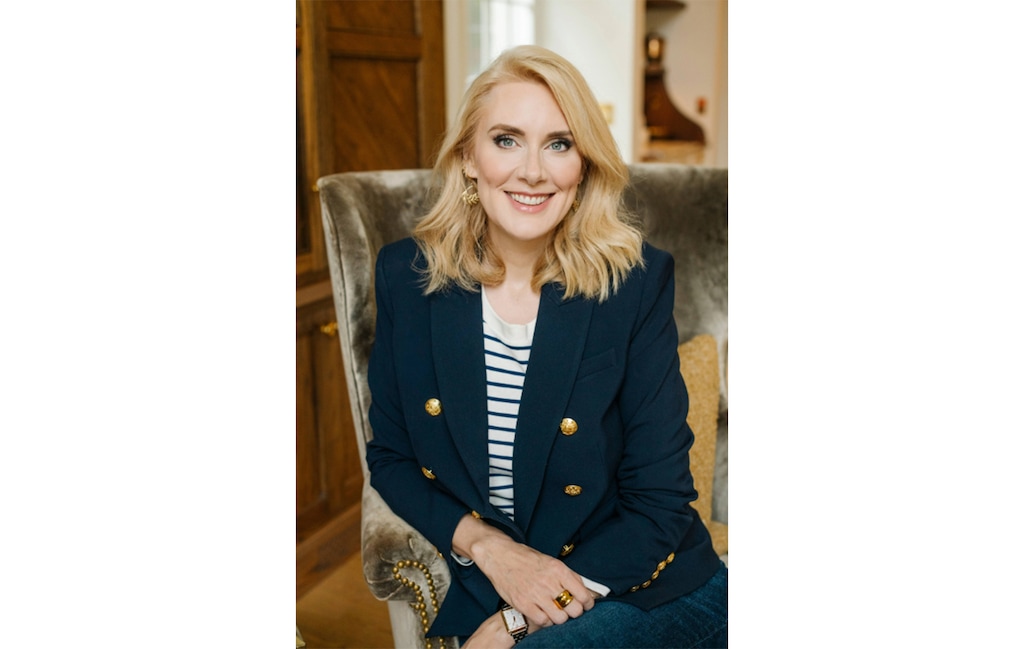
Canceling UVU speaker is opposite of what Charlie Kirk worked for
“When people stop talking, that’s when you get violence. When people stop talking, that’s when civil war happens, because you start to think the other side is so evil and they lose their humanity.” – Charlie Kirk
The Utah political leaders (all Republicans) who pushed to cancel the historian slated to speak at the Utah Valley University commencement may have thought they were honoring the legacy of Charlie Kirk.
They weren’t.
And if there are any real “What would Charlie do” thinkers out there, they should have stood against this attack on free speech.
Kirk based his public persona on the idea that Americans have the right to say what they think. Even stuff that makes other Americans angry.
Kirk was known for saying a lot of things that made a lot of Americans angry. That Martin Luther King Jr. was “not a good person” and that the Civil Rights Act of 1964 was “a huge mistake.” That the deaths of children from gun violence was a reasonable price to pay for keeping the Second Amendment.
So when Utah Republican leaders, including Sen. Mike Lee and Rep. Burgess Owens, attacked UVU for inviting historian Sharon McMahon to speak at the April 29 commencement because, they said, it would dishonor Kirk, they were standing against Kirk’s most important point: People should be able to speak out without fear of being punished for having unpopular ideas.
But after the fuss raised, including false accusations that McMahon had excused or applauded Kirk’s killing Sept. 10 on the UVU campus, the school announced the commencement would go ahead with no keynote speaker.
It was, we are told, a decision made “in consultation” and in part out of a concern for the possibility of more violence.
Kirk invited controversy wherever he went. McMahon does not. She built a career explaining details of American history, who we are, where we came from and the power that ordinary people can have.
McMahon deplored Kirk’s killing and political violence in general. She also explained to the many who may not have known who Kirk was why there was so much back-and-forth by people who mourned Kirk’s death and those who applauded it.
McMahon said nothing tasteless, much less inaccurate. Yet her appearance, and the opportunity for UVU graduates and their families to hear from one of the nation’s leading historians, was canceled.
The political right may claim, with reason, that the left launched American “cancel culture,” the idea that people with controversial views should be banned from expressing them, especially on college campuses.
Meanwhile, Kirk’s image as a free speech crusader was undermined by his operation of a “watchlist” singling out college professors accused of saying things Kirk and his followers didn’t like.
Utah leaders won’t overcome cancel culture by participating in it. But that’s exactly what they did in shutting down McMahon’s UVU appearance. And, because they won this time, they can be expected to keep doing it.
The culture canceling at UVU wasn’t the only example of Utah displaying its worst instincts this past two weeks. Read on . . .
UofU slaps cowardly ban on Earth Day language
Some University of Utah students were out to do something normal and commendable. Until the lawyers got involved.
Or, possibly, until university administrators decided their students’ activism might get them in trouble with the Republican supermajority ruling the Utah Legislature, and blamed it on the lawyers.
Students sponsoring and publicizing Wednesday’s Earth Day celebration in Salt Lake City were told by U. officials that they had to remove from their promotional materials any reference to “environmental justice” or “communities disproportionately affected by climate change.”
The materials had been approved for the activities sponsored by the school’s student government, the Associated Students of the University of Utah. But then officials said they had run it by legal and been advised that using such terms would run counter to the school’s responsibility to be “neutral” on such matters.
That’s bogus. And another example of spinelessness among our university leaders.
Universities — all institutions of learning — are not there to be neutral. They are there to promote learning and ideas, even ideas that may make some in our political class uncomfortable. That’s what students pay their tuition to be exposed to, ideas they can accept or reject as they choose.
The Earth Day events were not a required course. Sponsors were only being honest to tell others that, if they wanted to learn about “environmental justice” or “communities disproportionately affected by climate change,” their program was the place to be. If not, go somewhere else.
Clearly, the Legislature’s prohibition of any promotion of diversity, equity and inclusion on campus has so spooked our university leaders that they are actively scrubbing from any school-backed activity any idea that might be seen as showing concern for anyone not rich and Republican.
That’s not neutrality. That’s cowardice.
Utah bans Toni Morrison’s ‘The Bluest Eye’
To her Pulitzer and Nobel prizes, and the Presidential Medal of Freedom, the acclaimed American author Toni Morrison can now add another, posthumous, honor. Her first novel, “The Bluest Eye,” has been added to the growing list of books banned from Utah public schools.
State law says that any book removed from the libraries of any three school districts — in this case the Davis, Jordan and Washington County school districts — may not be made available in any other school district. Even districts where educators know what a novel is for.
“The Bluest Eye,” is, admittedly, not an easy read. That’s the point.
It is the tale of a young Black girl in Ohio who thinks her skin color makes her ugly and that if she were white-skinned and blue-eyed the world might treat her better. Or, at least, her brute of a father might stop sexually abusing her.
A novelist Utah hasn’t so far gotten around to banning, Leo Tolstoy, said, “If you feel pain, you are alive. If you feel other people’s pain, you are a human being.”
Novels such as Morrison’s help readers become fuller human beings. Going out of our way to deprive our young people of that experience is brutal, and the opposite of an education.
Editorials represent the opinions of The Salt Lake Tribune editorial board, which operates independently from the newsroom.