 Emily R. Anderson
 Addy Baird
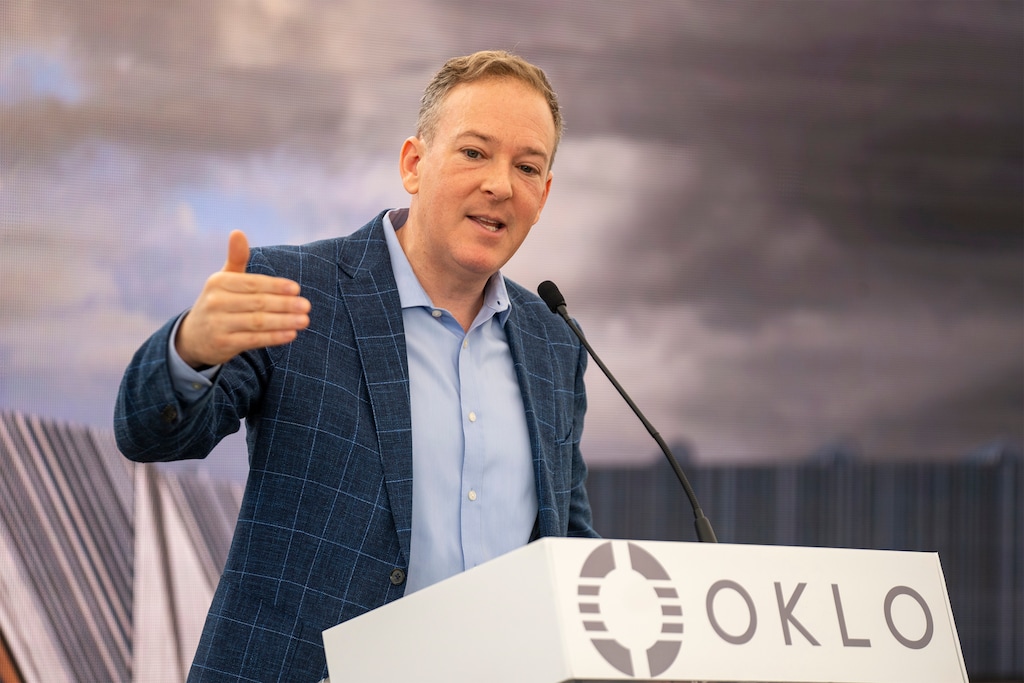
The head of the Environmental Protection Agency largely avoided wading into the fierce debate over a proposed hyperscale data center in Box Elder County while speaking at a Utah energy summit Friday, where Sen. John Curtis quipped, “I can’t tell you how happy I am this is a state issue.”
EPA Administrator Lee Zeldin told reporters Friday that he sees approval of the Stratos project as a state and local decision that his agency won’t weigh in on, unless Utah leaders ask it to.
“The [EPA’s] relationship [with permitting] varies from one state to the next,” Zeldin said, “but the one most important consistency across all of the states of this country is just to make sure that everyone’s looking at the EPA as an agency that has a totally open door, willing to help however possible, and that’s our attitude with Utah.”
The project backed by celebrity investor Kevin O’Leary was initially described by a state-level agency as a data center campus on a 40,000-acre site that would generate and use 9 gigawatts of energy at full buildout, powered solely by natural gas. Gov. Spencer Cox has since said only its first phase will be powered exclusively by natural gas, “but the other phases should not be.”
When asked whether developing Stratos could interfere with a significant federal investment to mitigate an environmental disaster from the shrinking Great Salt Lake, Zeldin, who will tour the lake Saturday, responded, “I’m not coming here today to opine and place judgment like that.”
Cox, who joined Zeldin at the news conference, noted the data center campus still has permitting hurdles to clear before it’s built and operational.
“In Utah we have to follow the law, and that’s what’s been missing from this discussion, is that those permits have not even been applied for yet, when it comes to the air quality permits,” Cox said. “… This idea that there’s going to be nine gigawatts of natural gas power out there — that’s never going to happen, that’s just not a thing. With current technologies, you could never qualify for the air permits for that type and that size of power.”
Zeldin said he’s seen multiple instances of data centers engaging the community in which they are located and “it’s providing a benefit to the local communities.”
“Oh, by the way, if you ask Americans, ‘Who do they prefer to see win this race to be the AI capital of the world, China or the United States?’ A very, very large majority of Americans are going to say they want the United States to win this race,” Zeldin added.
Curtis’s quip about the proposal drew laughter at an energy policy roundtable held during the news conference. He added that he understood that Box Elder County residents are concerned and that he feels the technology industry has not communicated the need for the project well.
“Tech leaders are not explaining to people who are pushing back on this thing why [data centers are] so important,” Curtis said. “The people of Box Elder don’t understand China, they don’t understand the race for AI and all of these things, and we are going to struggle as long as … they are not going to be able to deliver that comms message.”
In an interview following the discussion, Curtis said he hasn’t heard much from constituents about the project, and that he believes people understand that, as a federal legislator, the data center approval is not under his purview. Because of that, he added, he does not have all the details about the project.
More generally, he said, he feels that it should be up to states, counties and cities to name the terms under which they would accept data centers. In the case of the Box Elder project, he said he was unsure if locals had that chance, and if they had, he said it seemed that the process was not communicated effectively.
“Had they been involved, I suspect they would have felt better about it, or had they actually had an impact in changing the terms, they would have felt better about that,” Curtis said. “I think it’s not too different than any major business coming into the community. We want to make sure it’s good for the community, and many times it is — or many times it can be changed to be good for the community.”