 Brooke Larsen
During Donald Trump’s first term, a Utah drilling company sought oil and gas leases near one of the nation’s most popular national parks.
Utah Drilling and Exploration LLC nominated three parcels west of Zion National Park for a Bureau of Land Management lease sale in 2017. Public outcry ensued. Over 40,000 people and groups submitted comments in opposition — including the park’s superintendent, the Washington County Commission and the town of Springdale.
The BLM heard the concerns and took the controversial land out of the lease sale.
Such comments from local leaders may not hold as much sway going forward, though.
The One Big Beautiful Bill Act, signed into law on July 4, makes drilling for oil and gas on federal lands easier by reducing costs on oil companies and significantly limiting the BLM’s discretion in what lands it offers for lease.
“This marks a significant shift in how we manage our public lands, support energy development and work with local communities,” Interior Secretary Doug Burgum said in a news release.
The bill undoes a series of reforms that were included in the Inflation Reduction Act. It lowers royalty rates, eliminates a $5 per acre fee on companies nominating lands and reinstates noncompetitive leasing.
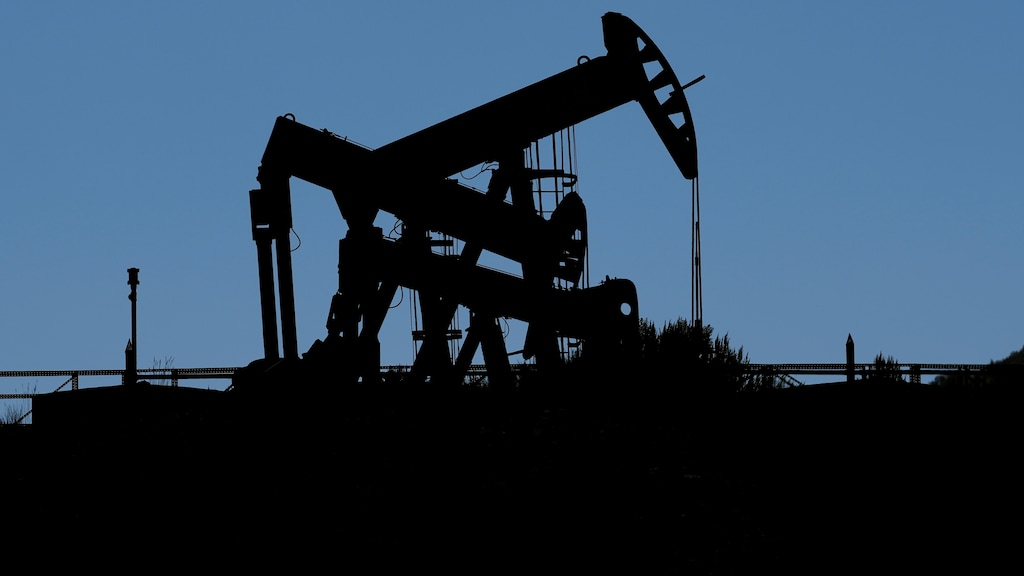
(Trent Nelson | The Salt Lake Tribune) A drilling location in the Uinta Basin near Duchesne, Utah on Wednesday, Feb. 12, 2025.
It also requires the BLM to eventually make any of the more than 200 million acres of federal lands open to oil and gas leasing available whenever a company nominates them for a sale.
“It really takes away a lot of BLM discretion to defer parcels or decide that land shouldn’t be offered for lease,” said Justin Meuse, director of government relations on climate and energy with The Wilderness Society. “So it’s just a big, big departure from precedent.”
Beyond the Zion example, the Center for Western Priorities found numerous occasions when bipartisan pushback has convinced the BLM to use its discretion and take out controversial parcels from a sale.
The agency also removed 87,000 acres of proposed leases near Arches and Canyonlands National Park after Moab businesses, recreationists and elected officials raised concerns in 2020.
“This very expansive oil and gas leasing proposal does not adequately balance the needs of Moab’s world-class recreation economy,” Moab City wrote in a comment submitted to the BLM in June 2020.
Going forward, the BLM will have less leeway to balance various uses if a company wants to drill on public lands that are open to oil and gas.
Fewer ‘off-ramps’
For each federal oil and gas lease sale, companies nominate parcels they want the BLM to offer. The agency then conducts an environmental review of the requests and makes sure the lands are available according to management plans.
During that review process, the public may submit comments and point out concerns such as threats to wildlife or recreational opportunities. The BLM considers comments and may strike parcels from a sale.
But after the passage of the “big beautiful bill,” the agency will have limited ability to keep lands out of a sale, and concerned community members will have less influence.
“The Republican Budget Bill is driving us back to a future where the oil and gas industry wields immense power over the future of the nation’s public lands,” said Landon Newell, staff attorney for the Southern Utah Wilderness Alliance.
(Rick Bowmer | AP) A pumpjack dips its head to extract oil in a basin north of Helper on Thursday, July 13, 2023.
According to the bill, the BLM must make all eligible nominated parcels available for leasing within 18 months and offer at least 50% of those nominations during each quarterly lease sale.
“There are just fewer off-ramps for a nomination to end in anything other than leasing,” Meuse said.
The public should still be able to weigh in when BLM issues an environmental analysis prior to a sale, Meuse said, and the agency may choose to first offer the “least controversial” parcels.
But if a resource management plan says a nominated parcel is available for leasing and the plan does not include environmental mitigation measures, BLM has to make those acres available without any additional restrictions.
Resource management plans are often outdated, though, Meuse said. They may not contain the latest science or socioeconomic data, which quickly changes in rapidly growing and heavily visited gateway communities. The BLM last approved plans for Moab and Vernal areas in 2008, and the plan that covers lands around Zion National Park was last completed in 1999.
Potential for more drilling and less benefits to taxpayers
The oil and gas industry has already been nominating more acres since Trump was elected, potentially in anticipation of the promises he made to big oil donors.
Between December 2024 and April 2025 alone, companies nominated more acres in Utah than they did in the two and a half years prior to that, according to the Center for Western Priorities.
Companies may particularly go after lands in the Uinta Basin — an area already dominated by the oil and gas industry — as well as lands east of Bears Ears National Monument, the greater Moab region and areas the Trump administration may exclude from Bears Ears and Grand Staircase-Escalante National Monuments, the Southern Utah Wilderness Alliance told The Tribune.
(Bethany Baker | The Salt Lake Tribune) Grand Staircase-Escalante National Monument from Homestead Overlook outside Boulder on Tuesday, Dec. 17, 2024.
The elimination of the nomination fee — instated after the passage of the IRA — may lead to a greater uptick in the acreage put up for lease. The Interior Department, in a July statement, called the fee “an unnecessary measure pushed by Democrats in the Inflation Reduction Act to restrict new energy production.”
Environmental groups argue the fee pushed companies to only nominate lands it actually planned to drill, though. Currently, companies are producing oil and gas on less than half the 2.2 million acres BLM has leased in Utah, according to data from the BLM.
“That $5 per acre fee had a big, big impact on companies taking a closer look at what they were really serious about leasing, rather than engaging in a lot of speculative plays,” Meuse said.
With the return of noncompetitive leasing, a practice the IRA eliminated, it also is easier and cheaper for companies to buy leases in the sale itself, Meuse added. Now, if a nominated parcel doesn’t receive any bids, a company can purchase that lease for as little as $1.50 an acre.
Royalty rates have also dropped to 12.5%, a historic rate established in 1920 that the IRA increased to 16.7%.
“They’re making it much cheaper for oil and gas companies to lease and drill on these lands,” said Kate Groetzinger, communications manager at the Center for Western Priorities. “And there’s really no promise that any of those savings will be passed on to taxpayers.”
Taxpayers for Common Sense, a nonprofit watchdog group, said in an article that the rollback of oil and gas reforms may cost taxpayers billions in lost revenue.
“When we’re talking about selling a federal resource that we all own, we should be hoping the government gives us the best return for our shared resources,” Groetzinger said.
The Utah BLM will hold its next oil and gas lease sale on September 24.
Note to readers • This story is available to Salt Lake Tribune subscribers only. Thank you for supporting local journalism.