St. George • Sprawling 106 acres and composed of over 47,000 stems, the massive aspen stand known as Pando lives up to its name, which means “I spread.”
The true extent of Pando is hidden from the earthbound observer, though it can be more fully appreciated from the peaks surrounding the mountain basin of Fish Lake. In fact, “Pando” was not identified until 1976, when a research team using aerial photography and land surveying discovered that the large swath of aspen was actually a single organism.
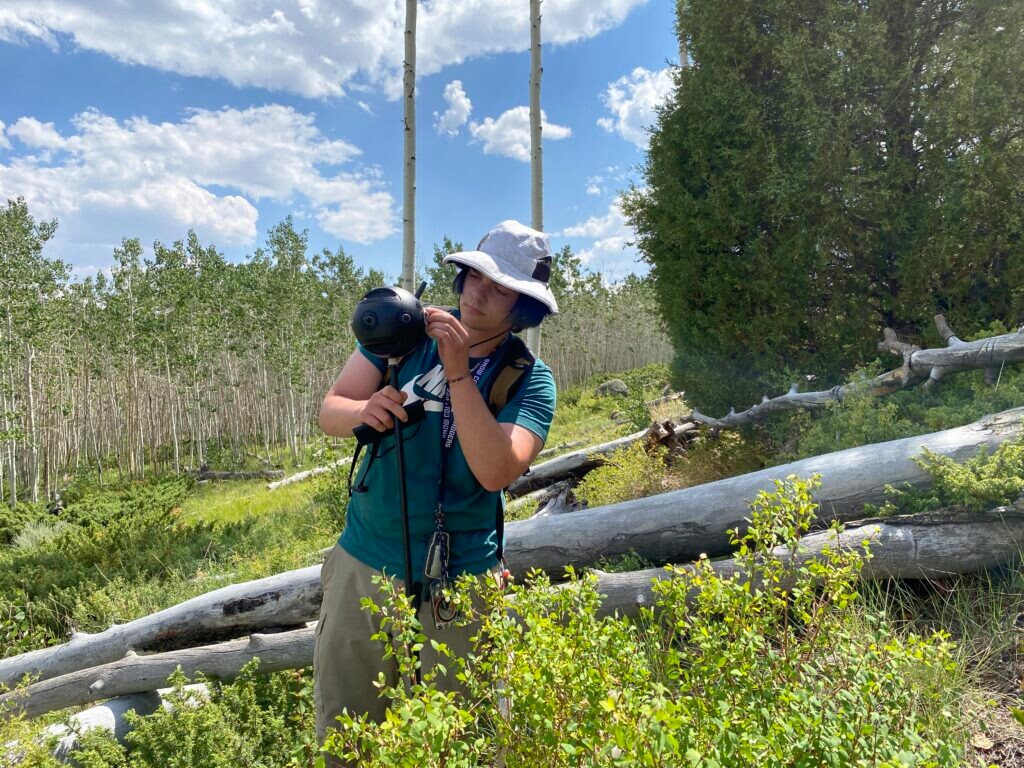
Now, volunteers with the Friends of Pando organization are conducting a photographic survey of the interior of Pando, with most of the photography completed in the timeframe between July 31 up to Sunday.
The end goal: to create a full-color, 360-degree photo gallery documenting all of the giant aspen.
“We’re doing something that’s never been done before,” said Lance Oditt, lead photographer for the survey. “We’re trying to capture 8,600 locations in nine days, and then we’re going to publish this and put it online. We hope that scientists can study it (Pando) remotely, so we can better understand the tree.”
To read more about this photo survey, visit St. George News.
This article is published through the Utah News Collaborative, a partnership of news organizations in Utah that aim to inform readers across the state.